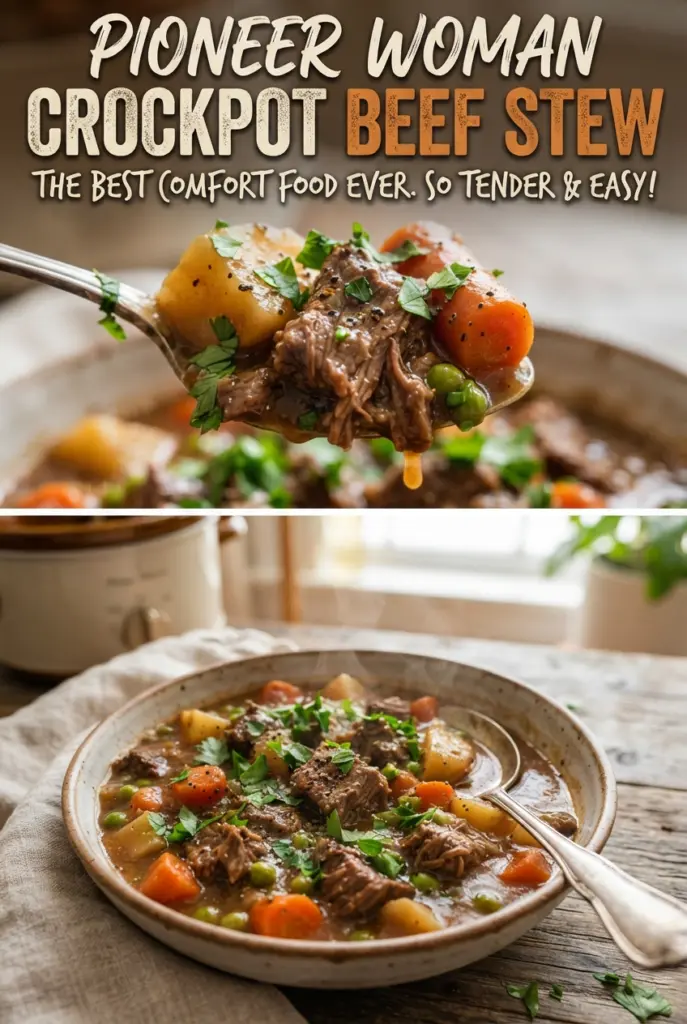
Beef stew gets its best version when the broth turns glossy, the beef gives up the fight, and the potatoes hold their shape without going chalky. This crockpot version does exactly that. The wine, tomato paste, and Worcestershire deepen the base, while the flour on the beef helps the stew settle into a rich, spoon-coating consistency instead of a thin soup.
The key is starting with a proper brown on the meat and using the same pan for the onion, garlic, and wine. Those browned bits at the bottom carry a lot of the flavor, and the quick simmer with wine loosens them right into the stew. Low and slow does the rest, turning a tough cut into something tender enough to cut with a spoon.
Below, I’ve included the small details that matter most: when to brown in batches, why the wine step is worth keeping, and how to adjust the stew if you want it a little thicker or need to skip the alcohol.
The broth turned out rich and thick, and the beef was fall-apart tender after 8 hours on low. I loved that the potatoes held their shape and didn’t turn mushy.
Save this crockpot beef stew for a rich, wine-kissed dinner with tender beef and potatoes that hold up.
The Browning Step That Gives This Stew Its Depth
The biggest mistake with crockpot stew is skipping the sear and expecting the slow cooker to build flavor on its own. It won’t. Browning the beef in batches creates a dark crust that seasons the whole pot, and the flour clinging to the meat helps thicken the broth as it cooks. If the pan looks crowded, the meat will steam instead of brown, and you’ll lose the best part of the stew.
The second important move is deglazing the pan with the wine before it goes into the crockpot. That quick simmer lifts up the browned bits from the bottom of the skillet and folds them back into the stew instead of leaving them stuck behind. It takes almost no extra time, but it changes the finished broth in a way that feels much richer and more finished.
What Each Ingredient Is Actually Doing In This Stew
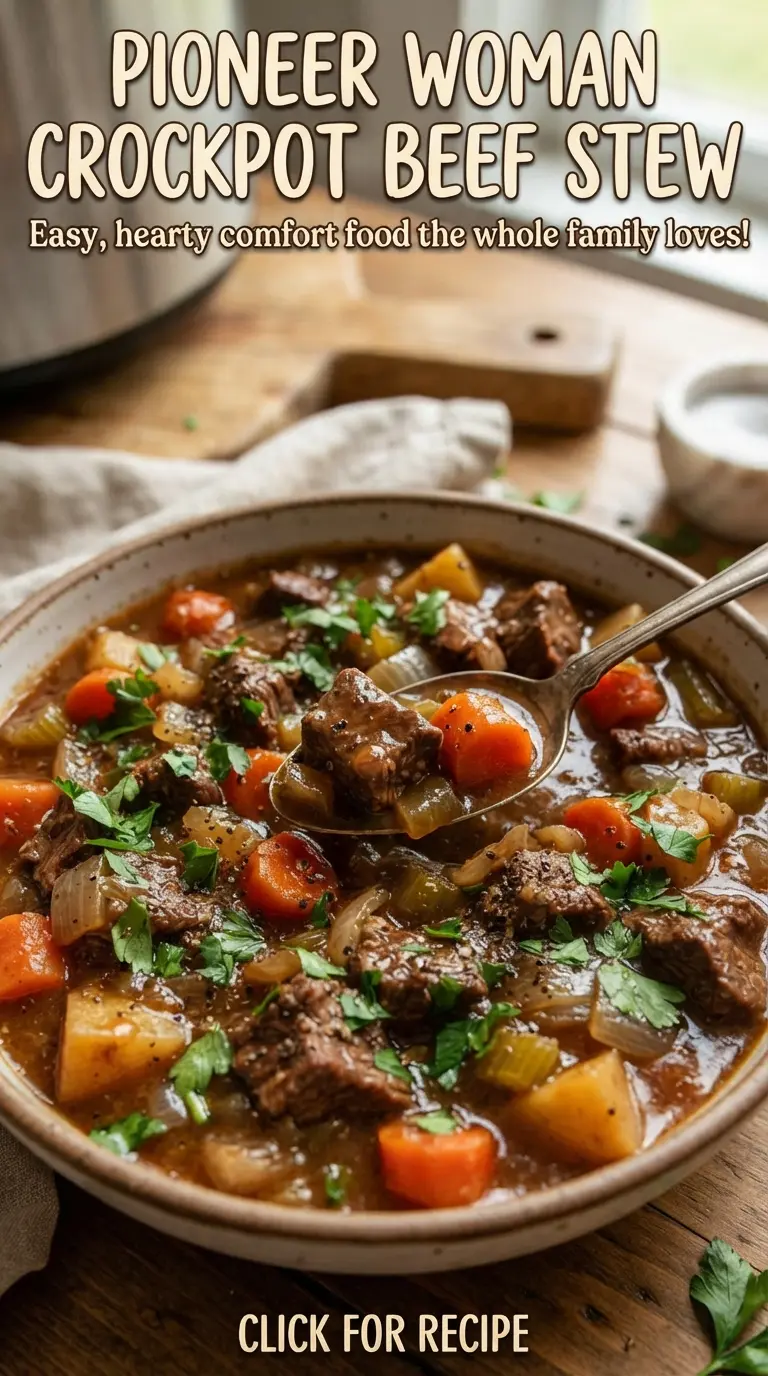
- Beef stew meat — This needs time, not a quick cook. Chuck or another well-marbled stew cut is what turns silky and tender after hours in the crockpot, while lean cuts dry out and stay stringy.
- Flour — The flour does two jobs here: it helps the beef brown, and it gives the broth a gentle body as it cooks. You can use a 1:1 gluten-free flour blend if needed, but skip cornstarch at the start; it won’t build the same base.
- Red wine — This adds acidity and depth that broth alone can’t mimic. Use something dry and drinkable, not sweet. If you want to skip it, replace it with extra beef broth plus a splash of balsamic vinegar for some of the same lift.
- Tomato paste — A small amount makes the broth taste fuller and darker, not tomato-y. Let it cook for a minute in the pan if you can; that brief sauté takes away the raw edge.
- Baby potatoes and carrots — Baby potatoes hold together better than large starchy potatoes cut small, and the carrots keep the stew from tasting flat. Cut the carrots on the thicker side so they don’t disappear after eight hours.
Building The Stew So It Stays Rich, Not Watery
Coating And Browning The Beef
Toss the beef with flour, salt, and pepper until every piece looks lightly dusted, then brown it in batches in the olive oil and butter. You want a deep brown crust on the outside, not a gray surface with juices pooling in the pan. If the pan starts to smoke hard or the meat begins releasing liquid, the heat is too high or the batch is too crowded. Pull the finished pieces into the crockpot as you go so they don’t overcook while the rest browns.
Using The Same Pan For The Aromatics
Cook the onion and garlic in the same skillet for about 3 minutes, just until the onion softens and picks up the browned bits left behind. Then pour in the red wine and scrape the bottom thoroughly. That pan fond is where the flavor lives, and if you leave it stuck to the skillet, the stew will taste flatter no matter how long it cooks.
Letting The Slow Cooker Finish The Work
Stir in the tomato paste, broth, Worcestershire, sugar, thyme, carrots, and potatoes, then cover and cook on LOW for 8 hours. High heat can work in a pinch, but it tends to make the beef tighter and the potatoes break down too fast. The stew is ready when the beef shreds easily with a fork and the carrots are tender all the way through without collapsing.
Finishing With The Right Seasoning
Taste the stew before serving and adjust the salt and pepper at the end. Slow cooking mutes seasoning a little, so the last adjustment is where the stew wakes up. Finish with fresh parsley for a clean, bright note that cuts through the richness.
How To Adapt This Crockpot Beef Stew For Different Kitchens
Gluten-Free Version
Swap the all-purpose flour for a gluten-free flour blend that’s meant for baking or dredging. The stew will still brown well and thicken nicely, though the broth may look a little less velvety until it rests for a few minutes after cooking.
No-Wine Substitution
Replace the wine with an equal amount of beef broth plus 1 tablespoon balsamic vinegar. You’ll lose a little of the wine’s roundness, but the vinegar restores some acidity so the stew doesn’t taste heavy or dull.
Dairy-Free Without Losing The Browning
Use all olive oil instead of butter when browning the meat. The stew will still get plenty of depth from the sear, but the finished flavor will be a little less round. If you want that same finish, add an extra teaspoon of Worcestershire at the end.
Storage and Reheating
- Refrigerator: Store in an airtight container for up to 4 days. The broth thickens as it chills, and the flavor usually gets even better the next day.
- Freezer: This freezes well for up to 3 months. Cool it fully first, then pack it in freezer-safe containers with a little headspace so the broth can expand.
- Reheating: Warm it gently on the stove over medium-low heat or in the microwave in short bursts, stirring between each one. Don’t blast it on high heat or the beef can get dry and the potatoes can start to break apart.
Answers To The Questions Worth Asking
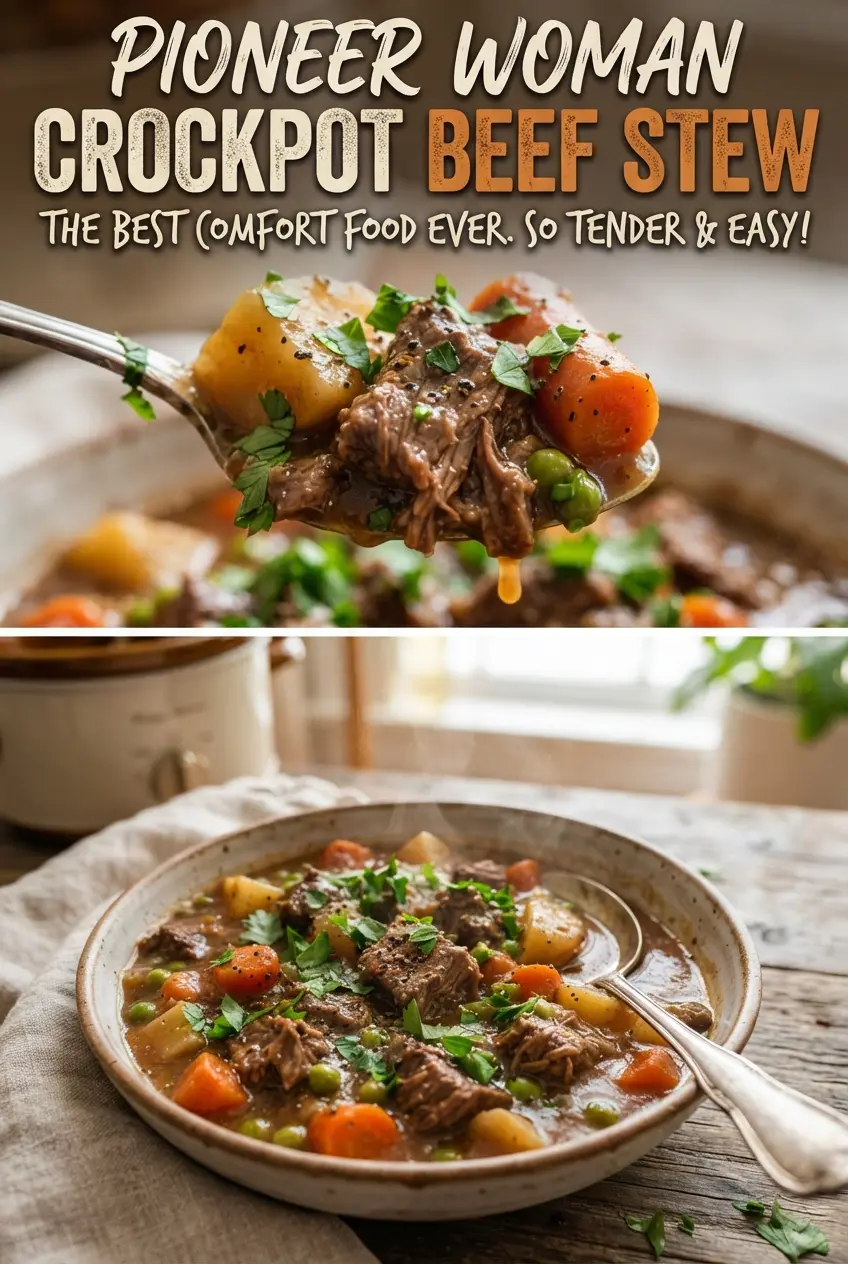
Pioneer Woman Crockpot Beef Stew
Ingredients
Equipment
Method
- Toss beef stew meat with all-purpose flour, salt, and black pepper. Heat olive oil and butter in a Dutch oven over medium-high until shimmering.
- Brown the beef in batches in the hot oil and butter, turning to develop deep color. Transfer browned beef to the crockpot, keeping any browned bits in the pan.
- Cook onion and garlic in the same pan for 3 minutes, stirring until fragrant. Pour in red wine and scrape up the browned bits from the bottom of the pan.
- Simmer the wine mixture for 2 minutes, then transfer it to the crockpot. Stir in tomato paste, beef broth, Worcestershire sauce, sugar, dried thyme, carrots, and baby potatoes.
- Cover and cook on LOW for 8 hours, until the beef is fork-tender. Uncover and taste, then season to taste.
- Top the stew with fresh parsley right before serving. Serve hot with a spoonful of vegetables and tender beef.