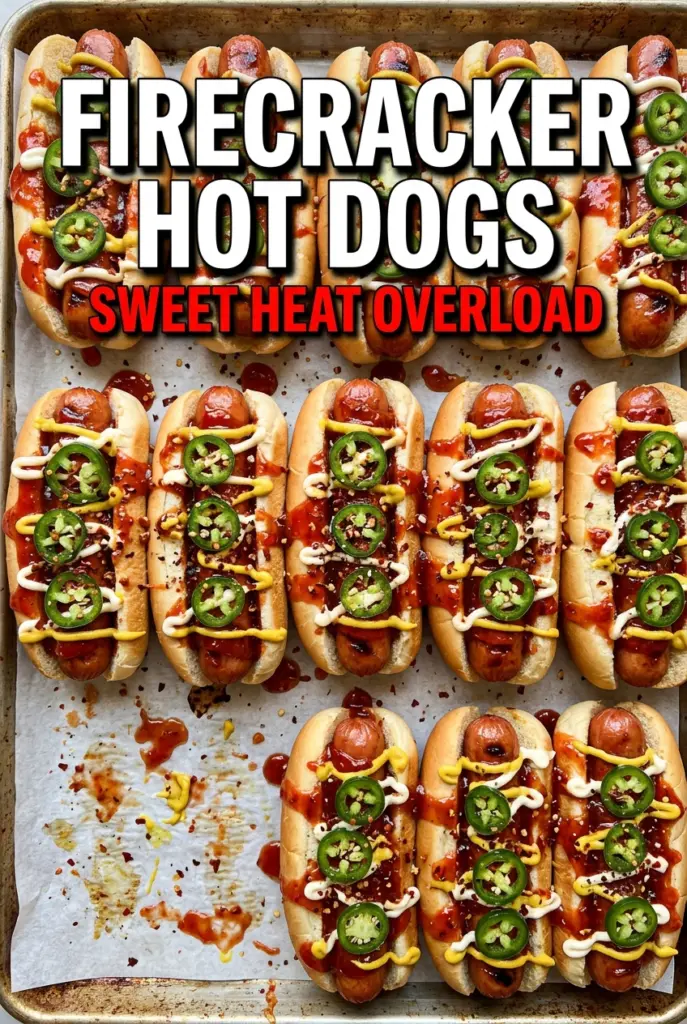
Firecracker hot dogs bring the kind of snap and char that makes plain grilled dogs feel like they were never finished. The spiral cuts open up on the grill, the edges crisp, and the toppings hit each bite in layers: tangy mustard, spicy jalapeño, and that sticky little thread of sriracha that wakes everything up. Toasted buns keep the whole thing from going soft before the first bite.
The trick is in the scoring. Those diagonal cuts aren’t just for looks; they give the hot dogs more surface area so the grill can do its job fast without drying the centers out. A hot grill and frequent turning matter here, because you want charred edges and little splits, not a wrinkled, leathery casing.
Below you’ll find the small details that make these worth repeating, including how to keep the buns from tearing when you load them up and how to adjust the heat without losing the firecracker effect.
The spiral cuts crisped up beautifully on the grill, and the jalapeño relish kept every bite bright instead of greasy. My husband said they tasted like ballpark hot dogs with a kick.
Spiral-cut Firecracker Hot Dogs with jalapeño relish are the fast grill-night upgrade worth keeping close.
The Reason the Cuts Matter More Than the Toppings
Most grilled hot dogs get hot, maybe even a little blistered, but they never really build character. Scoring changes that. The shallow diagonal cuts let the casing split in places that char quickly, and that gives you more browned surface without having to overcook the middle.
The mistake is cutting too deep. If you slice all the way through, the hot dog opens too much, loses its shape, and the toppings slide right off. Keep the cuts shallow enough that the dog stays intact, then let the grill finish the job by turning it often so the edges crisp evenly.
- Diagonal or spiral scoring — Either one works. The spiral version gives you more ridges and a little more crunch, while diagonal cuts are faster if you’re doing a full batch for a crowd.
- Beef hot dogs — A firmer, all-beef dog holds up better to the scoring and grilling. Softer franks can work, but they need a gentler hand so they don’t split too early.
- Medium-high heat — Hot enough to char the cut edges before the sausages dry out. If the grill is too cool, the dogs just steam and go limp instead of picking up those crisp, browned ridges.
- Toasted buns — This is what keeps the whole thing from turning soggy the second the toppings go on. Buttering the inside gives you better browning and a little extra protection against the mustard and relish.
What Each Topping Is Actually Doing Here
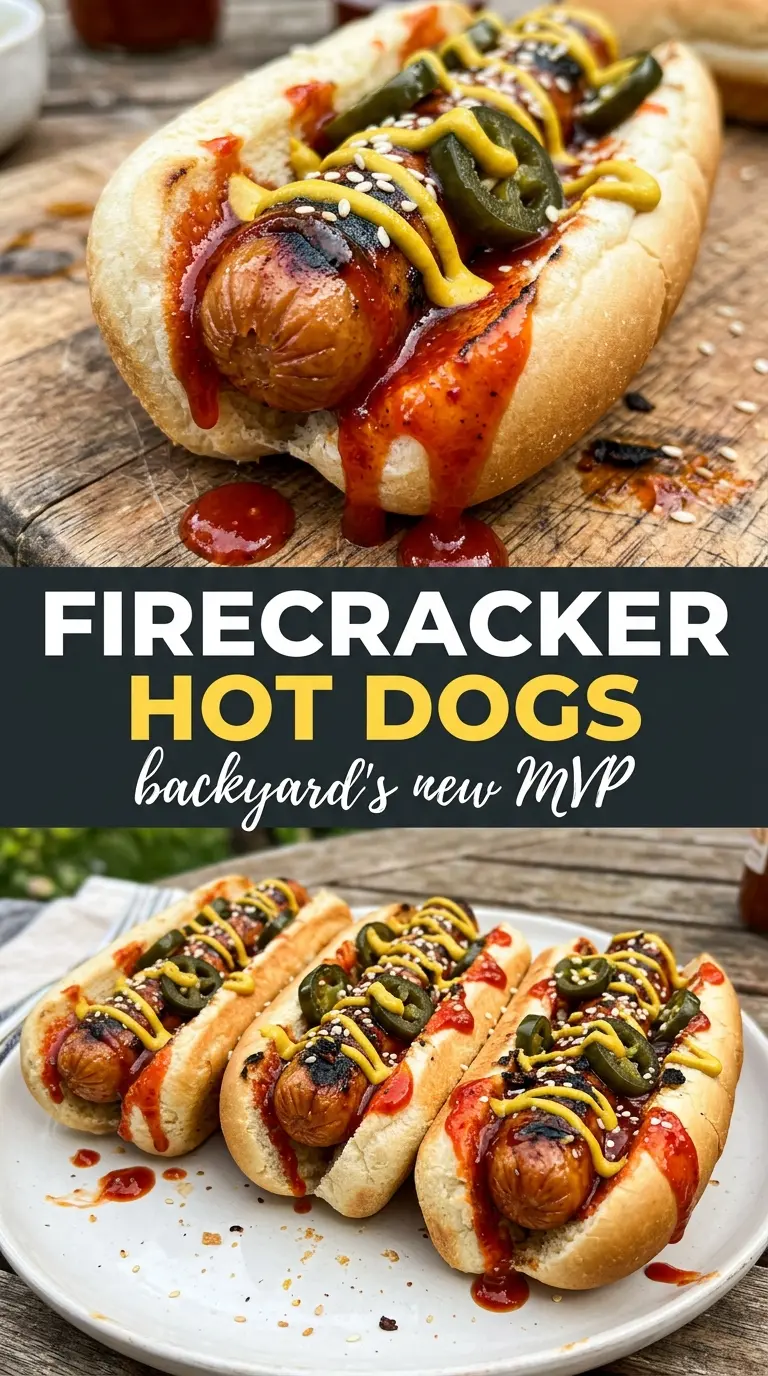
Note: The image above shows the finished Firecracker Hot Dogs with charred spiral cuts, toasted buns, and the full spicy topping stack.
- Jalapeño relish or chopped pickled jalapeños — This brings the sharp, briny bite that cuts through the richness of the hot dog. If you use chopped pickled jalapeños instead of relish, drain them well so the buns don’t get wet.
- Yellow mustard — The classic tangy layer that keeps the heat from feeling one-note. Dijon will work in a pinch, but it pushes the flavor in a sharper direction and loses that ballpark-style balance.
- Sriracha — This is the clean, garlicky heat that makes the recipe earn the Firecracker name. Use a light hand at first; it should finish the bite, not bury the rest of the toppings.
- Crispy fried onions — They add crunch at the very end, and that texture matters. If you skip them, the hot dog still works, but it loses the contrast that makes the topping pile feel complete.
- Butter on the buns — It helps the buns toast evenly and gives them a little richness so they stand up to the spicy toppings. Softened butter spreads more cleanly than melted butter, which can soak in too fast.
How to Get Charred Edges Without Splitting the Dogs in Half
Scoring the Hot Dogs
Use a sharp knife to make shallow diagonal cuts across each hot dog, or run the knife in a spiral if you want the more dramatic look. The goal is to nick the casing, not carve into the center. If the cuts are too deep, the dogs will curl open too fast and can dry out before the outside has a chance to char.
Grilling to the Right Level
Place the scored dogs on a medium-high grill or grill pan and turn them often. You’re looking for dark grill marks along the cuts and a slight split in the casing, not a long cook that leaves them shriveled. Eight to ten minutes is usually enough, but the visual cue matters more than the clock: the edges should be crisp and the dogs should look plump, not tight.
Toasting the Buns
Butter the cut sides and lay them on the grill just until golden. This takes a minute or two, and it goes fast once the bread hits the heat. If the buns are browned on one side but still soft in the center, leave them a touch longer; if you walk away, they’ll go from toasted to dry and crackly in seconds.
Stacking and Serving Fast
Slide each hot dog into a bun while everything is still hot. Add the jalapeño relish first so it sits against the sausage, then mustard, then the sriracha drizzle, and finish with crispy fried onions. Serve them right away. These are best when the bun is still warm and the toppings are sitting on top of the charred cuts, not soaking in for ten minutes on the counter.
How to Dial the Heat Up or Down Without Losing the Point
Milder Backyard Version
Cut the sriracha back to a thin drizzle and use sweet pickle relish instead of jalapeño relish. You still get the charred dog, toasted bun, and crunchy onion finish, but the heat lands more on the back end than in the first bite.
Fully Gluten-Free Plate
Use certified gluten-free buns and check the fried onions and hot dogs for hidden wheat-based fillers. The method stays the same, and the grilled scoring still gives you the best texture; the only thing you lose if you skip the label check is the confidence that the whole plate is safe.
No Grill, No Problem
A grill pan or heavy skillet gets you close if you keep the heat up and turn the hot dogs frequently. You won’t get the same smoky edge, but the scoring still helps the casing blister and split, which is the part that makes these feel special.
Storage and Reheating
- Refrigerator: Store the cooked hot dogs and toppings separately for up to 3 days. The buns will soften if they sit assembled, so keep them apart.
- Freezer: The cooked hot dogs freeze fine for about 1 month, wrapped tightly. Freeze the buns separately, or just buy fresh buns later for a better result.
- Reheating: Reheat the hot dogs in a skillet over medium heat or in a 350°F oven until warmed through. Don’t microwave them if you want the casing to stay snappy; it turns the texture rubbery fast.
Questions I Get Asked About This Recipe
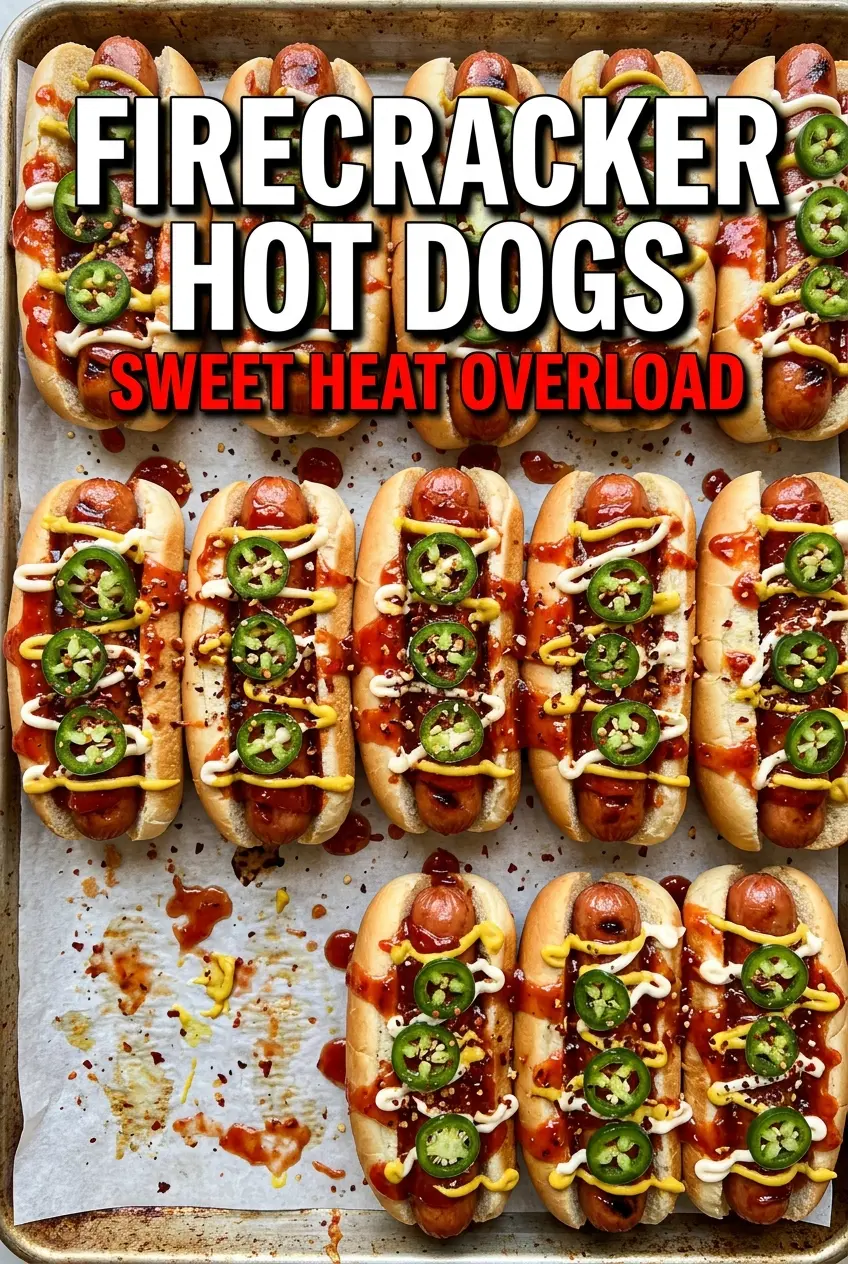
Firecracker Hot Dogs
Ingredients
Equipment
Method
- Score each hot dog with diagonal cuts or a spiral cut to help them char and open on the grill. Make the cuts deep enough to see the interior.
- Preheat the grill or grill pan to medium-high heat and cook hot dogs for 8–10 minutes, turning frequently, until charred and split open slightly. Look for dark grill marks and a small split at the scoring line.
- Butter the inside of each bun and toast on the grill for 1–2 minutes until golden. Keep them flat and watch for toasty edges.
- Place a hot dog in each toasted bun and top with jalapeño relish, a squeeze of mustard, and a drizzle of sriracha. Add toppings while the hot dogs are still hot so the relish warms slightly.
- Finish with crispy fried onions and serve immediately with ketchup on the side. Sprinkle onions on top right before serving for best crunch.