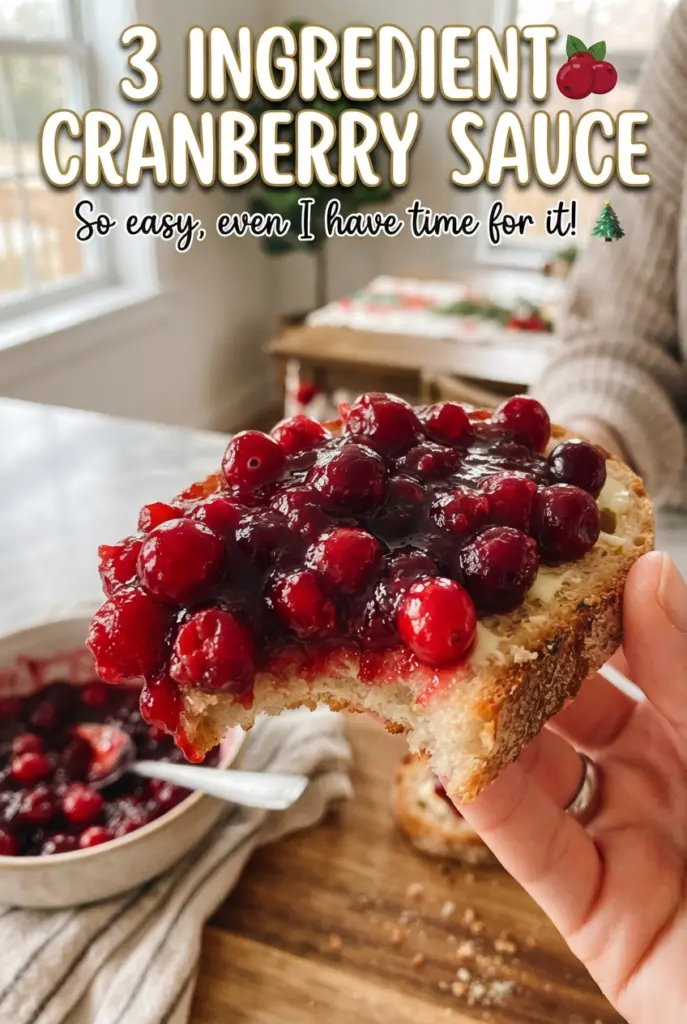
Jammy cranberry sauce with a bright, clean finish earns its place next to the big holiday dishes because it does more than just sit on the plate. The berries burst into a thick, glossy sauce that cuts through rich food, and the texture lands somewhere between spoonable compote and soft set jam. It tastes sharper and fresher than the canned version, but it still comes together fast enough to make while everything else is finishing up.
The short ingredient list works because each part has a job. Sugar keeps the cranberries from tasting punishingly tart and helps the sauce set as it cools. Water starts the sugar moving before the berries go in, so you don’t need extra pectin or cornstarch. The last part matters most: cranberry sauce looks loose when it’s hot, then firms up in the fridge, so the real test is patience, not extra simmering.
Below you’ll find the timing cue that keeps the sauce from turning pasty, plus a few ways to adjust the sweetness or make it ahead without losing that bright ruby color.
The sauce thickened beautifully as it cooled, and the balance of tart berries with the sugar was spot on. I made it the night before, and it was perfect by dinner.
Save this 3 Ingredient Cranberry Sauce for the holidays — it sets up thick, glossy, and spoonable without any extra thickeners.
The Boil That Decides Whether the Sauce Sets Cleanly
The biggest mistake with cranberry sauce is treating the simmer like the finish line. It isn’t. Cranberries need a full boil at the start so the sugar dissolves completely and the berries burst evenly, then a short simmer to break them down without reducing the mixture into something sticky and overcooked. If the heat stays too low, the berries soften but don’t pop, and you’ll end up with a thin sauce that never quite turns glossy.
You’re looking for a sauce that still looks loose in the pan. The thickening happens as the pectin in the berries releases and the mixture cools, which means overcooking is the real enemy here. Once most of the berries have burst and the liquid looks slightly syrupy, pull it off the heat. It will tighten in the fridge.
What the Sugar, Water, and Cranberries Each Do Here
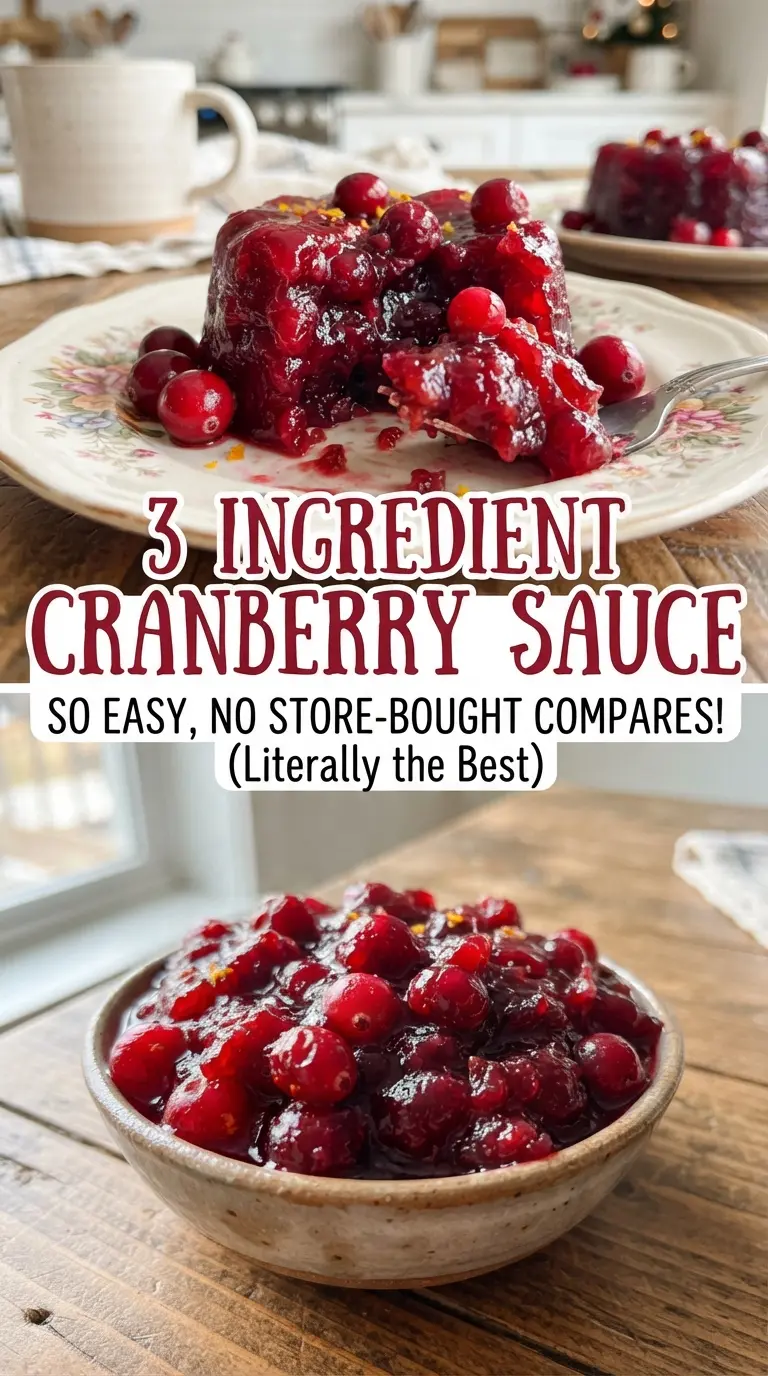
- Fresh cranberries — These bring the tart flavor and the natural pectin that gives the sauce its set. Frozen cranberries work too; use them straight from the freezer and expect a slightly longer cook time because they cool the pot down at first.
- Granulated sugar — This balances the sharpness and helps the sauce become glossy instead of harsh. If you cut the sugar too far, the sauce can taste thin and overly sour, even if the texture looks fine.
- Water — It dissolves the sugar before the cranberries go in, which keeps the base from scorching. You don’t need stock, juice, or anything fancier here; plain water lets the cranberry flavor stay bright.
From Hard Boil to Spoonable Set
Dissolving the Sugar First
Bring the water and sugar to a boil and stir just until the grains disappear. If you rush this and add the berries before the sugar melts, you’ll end up with gritty spots in the finished sauce. The liquid should look clear and slightly thickened before the cranberries go in.
Cooking Until the Berries Pop
Add the cranberries, return the pot to a boil, then drop the heat to a steady simmer. You should hear the berries begin to pop after a few minutes. Stir occasionally so the bottom doesn’t catch, but don’t stir constantly or you’ll mash the berries before they have a chance to burst on their own.
Cooling Before You Judge the Texture
Once the sauce has simmered about 10 minutes and most berries have burst, take it off the heat. It should still look a little loose, almost saucy in the pan. Transfer it to a bowl and chill it completely before serving, because the set happens as it cools and the flavor sharpens as well.
Make It Less Tart
If your cranberries are extra sharp, add up to 1/4 cup more sugar after the first boil and stir until dissolved. That gives you a rounder sauce without changing the texture. Add it sparingly, because too much sweetener can flatten the bright cranberry flavor.
Orange Zest for a Brighter Finish
Stir in a little orange zest at the end if you want a fresher, more fragrant sauce. Zest gives you aroma without thinning the sauce the way orange juice can. Add it after cooking so the citrus stays bright instead of turning bitter.
Lower-Sugar Cranberry Sauce
You can reduce the sugar a bit if you want a sharper sauce, but don’t cut it too aggressively. Sugar doesn’t just sweeten here; it helps the sauce taste balanced and keeps the finished texture from reading thin. Expect a tangier result that works best with rich savory dishes.
Make-Ahead Storage
- Refrigerator: Store covered for up to 1 week. The sauce gets thicker and more set after a night in the fridge.
- Freezer: Cranberry sauce freezes well for up to 2 months. Cool it completely, pack it airtight, and thaw it overnight in the refrigerator.
- Reheating: Serve it cold or let it sit at room temperature. If you warm it, use low heat and stir gently. High heat can make it loose again and dull the glossy finish.
Answers to the Questions Worth Asking
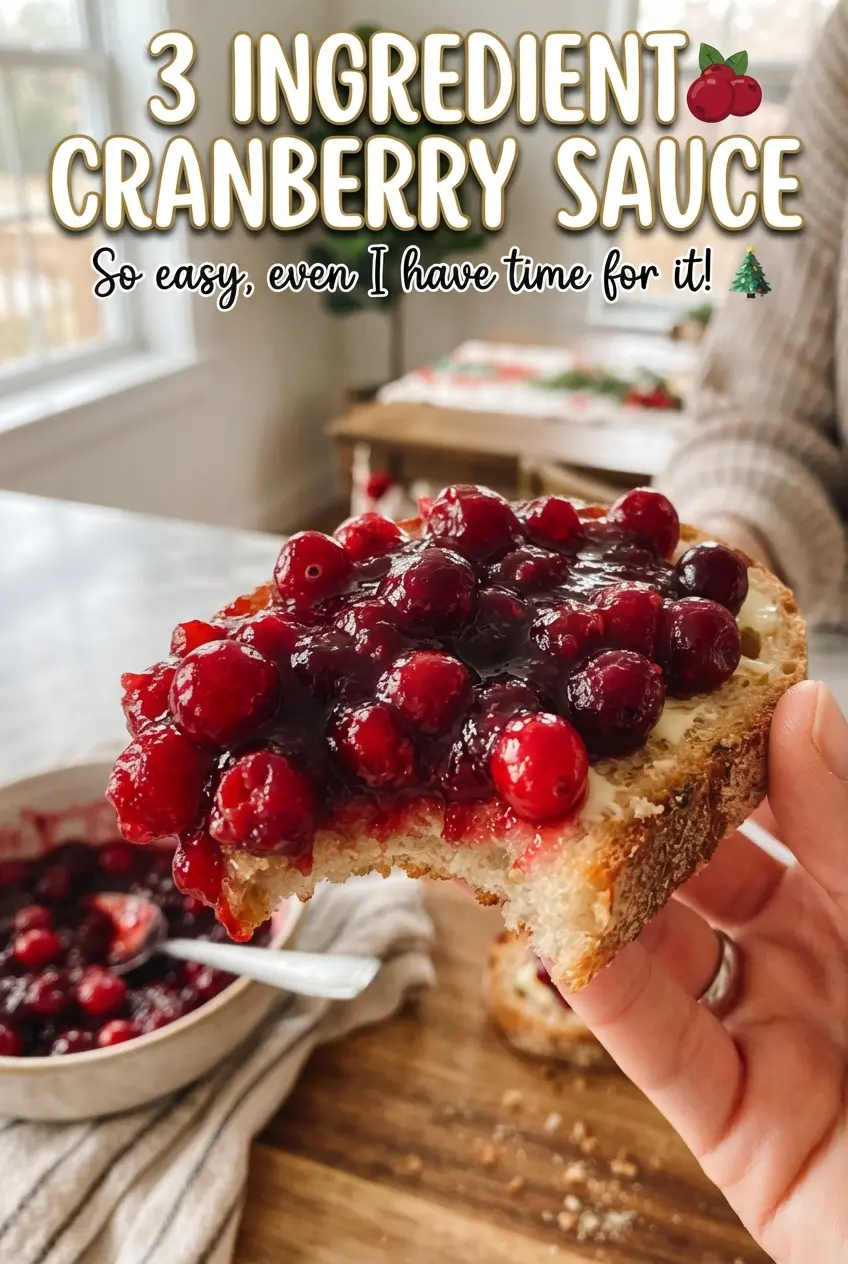
3 Ingredient Cranberry Sauce
Ingredients
Equipment
Method
- In a saucepan, combine the water and granulated sugar and bring to a boil over medium-high heat while stirring until the sugar dissolves.
- Keep it at a steady boil so the liquid looks clear and actively bubbling.
- Add the fresh cranberries to the boiling syrup and return to a boil.
- Reduce the heat to low and simmer for 10 minutes, stirring occasionally, until the berries burst and the sauce looks ruby and thicker (jammy).
- Remove the saucepan from the heat and let the cranberry sauce cool completely at room temperature until no longer steaming.
- Chill until serving—once cold, the sauce sets into a thick, spoonable texture.