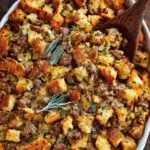
Steakhouse Potatoes Romanoff bake up creamy in the middle with a browned cheddar top that cracks just enough under the spoon. The texture is the whole point here: tender shreds of potato held together with sour cream and cheese, not a loose mash and not a dry gratin. It lands somewhere between a rich casserole and the kind of side dish people remember from a restaurant meal.
The trick is starting with whole potatoes boiled in their skins until just tender, then cooling them completely before peeling and shredding. That step keeps the potato from turning gummy, and it gives you long, distinct shreds that bake into a better texture. The sour cream brings the tang, the Parmesan sharpens the flavor, and the cheddar on top gives you that steakhouse-style finish.
Below you’ll find the part that matters most: how to keep the potatoes from getting watery, how to get the top properly browned, and what to change if you need to work around the dairy without losing the character of the dish.
The potatoes held their shape instead of turning gluey, and that cheesy top got those browned edges I was hoping for. I used the full chill time before shredding, and it made a huge difference.
Like these creamy Steakhouse Potatoes Romanoff? Save the golden cheddar crust and sour cream-rich texture for your next steak night.
The Step That Keeps Romanoff Creamy Instead of Gummy
Steakhouse Potatoes Romanoff looks simple, but the texture lives or dies on the potatoes themselves. Boiling them whole in the skin helps them cook evenly without soaking up excess water, and cooling them completely before shredding keeps the strands separate instead of collapsing into paste. If you shred warm potatoes, they release steam into the bowl and the whole casserole turns heavier than it should.
That gentle handling matters again when you fold the potatoes into the dairy mixture. Stir just enough to coat everything. Overmixing breaks down the shreds and gives you more of a dense mash bake than the fluffy, forkable casserole people expect from Romanoff.
- Russet potatoes — Their high starch content gives the casserole structure and that classic fluffy interior. Waxy potatoes stay too firm and don’t absorb the sour cream mixture the same way.
- Sour cream — This is the backbone of the dish. It brings tang and body, and full-fat sour cream holds up best in the oven.
- Sharp cheddar — Use a good sharp cheddar for the topping and some inside the mixture. Milder cheese disappears under the potatoes; sharp cheddar stays noticeable after baking.
- Parmesan — This adds salty depth and helps the top brown a little more. Grated Parmesan works better than shredded here because it blends cleanly into the mixture.
- Green onions — They keep the casserole from tasting flat. Slice them thin so they soften evenly and don’t leave sharp raw bites.
Building the Casserole So the Top Browns and the Middle Stays Rich
The Parmesan, cheddar, and sour cream work as a team here, but each one has a different job. Sour cream gives you the creamy base, cheddar gives you the familiar steakhouse flavor, and Parmesan adds the salty edge that keeps the dish from tasting one-note. If you swap in low-fat dairy, the casserole can still work, but the texture gets looser and less plush.

Let the butter cool for a minute after melting before you mix it in. Hot butter can thin the sour cream mixture too much, which makes the filling slide toward soupy before baking. The extra cheddar on top matters more than it looks like it should; that layer is what gives you the browned crust and the little crisp spots at the edges of the dish.
- Sour cream substitution — Full-fat Greek yogurt works in a pinch, but the flavor is a little sharper and the finished casserole is less lush. Use it only if you want a lighter tang and accept a slightly firmer texture.
- Cheddar choice — Buy a block and shred it yourself if you can. Pre-shredded cheese has anti-caking agents that can keep it from melting as smoothly.
- Butter — Melted butter enriches the potatoes without making them greasy. Let it cool slightly so it doesn’t shock the dairy mixture.
- Chives for finishing — Add them after baking so they stay fresh and bright. Baked chives lose their color and much of their flavor.
Mixing, Baking, and Knowing When It’s Done
Preparing the Potatoes
Boil the potatoes whole and unpeeled until just tender when pierced with a knife. They should give easily, but they shouldn’t be falling apart. Drain them well and cool them completely before peeling, because hot potatoes shred badly and hold too much surface moisture. If you rush this part, the casserole can end up loose in the pan instead of rich and sliceable.
Bringing the Filling Together
Mix the sour cream, cheese, green onions, butter, salt, pepper, and garlic powder first so the seasoning distributes evenly. Then fold in the shredded potatoes with a light hand. The mixture should look thick and coated, not whipped. If it seems overly wet before it goes into the pan, the potatoes were probably still warm or under-drained.
Baking to a Proper Crust
Spread the mixture into a buttered 9×13-inch baking dish and top it with the remaining cheddar. Bake until the center is hot and the top has turned golden with darker browned spots around the edges. Don’t pull it out just because the top looks colored; the middle needs enough time to heat through. Let it rest a few minutes before serving so the casserole settles and scoops cleanly.
How to Adjust Romanoff Without Losing the Steakhouse Feel
Make It Ahead for Company
Assemble the casserole up to a day in advance, cover it tightly, and refrigerate it before baking. Bring it closer to room temperature while the oven heats, then add a few extra minutes in the oven because chilled potatoes take longer to heat through. The texture stays good, and the flavor gets even more integrated.
A Lighter Tang With Greek Yogurt
Replace part or all of the sour cream with full-fat Greek yogurt if you want a sharper finish and a little less richness. The casserole will bake up slightly firmer and a touch less velvety, but it still holds together well. Avoid nonfat yogurt, which can turn thin and acidic in the oven.
Gluten-Free by Default
This recipe is naturally gluten-free as written, as long as your cheese and seasonings are certified gluten-free if cross-contact matters to you. The structure comes from the potatoes and dairy, not flour, so you don’t need a special substitute to make it work.
Extra Cheesy Restaurant Style
Add a little more cheddar inside the mixture if you want a richer, more decadent result, but keep most of the cheese on top so the crust still forms. Too much cheese mixed into the filling can make the casserole heavy and slightly oily instead of balanced.
Storage and Reheating
- Refrigerator: Store leftovers covered for up to 4 days. The top softens, but the flavor stays good.
- Freezer: It freezes, but the sour cream can change the texture a little after thawing. Freeze tightly wrapped portions, then thaw in the refrigerator before reheating.
- Reheating: Warm covered in a 350°F oven until heated through, then uncover for the last few minutes to re-crisp the top. The biggest mistake is blasting it in the microwave, which makes the potatoes collapse and the cheese separate.
Answers to the Questions Worth Asking

Steakhouse Potatoes Romanoff
Ingredients
Equipment
Method
- Boil the whole unpeeled potatoes for 20-25 minutes until just tender, then cool completely until no longer hot. Visual cue: you should be able to pierce the center easily but the potato should not fall apart.
- Peel the cooled potatoes and shred them, keeping shreds fairly even so they bake consistently. Visual cue: you’ll have fluffy strands that look like loose hash browns.
- Preheat the oven to 350F, then butter a 9x13-inch baking dish. Visual cue: a thin sheen of butter should coat the bottom and corners.
- Mix sour cream, 1 cup cheddar, Parmesan, green onions, melted butter, salt, pepper, and garlic powder until smooth and evenly combined. Visual cue: the mixture should look creamy with evenly distributed onion and cheese bits.
- Gently fold the shredded potatoes into the sour-cream mixture until fully coated. Visual cue: no dry potato should remain visible.
- Spread the potato mixture into the baking dish, then top with the remaining cheddar. Visual cue: the surface should be evenly covered with a golden layer as it bakes.
- Bake for 40-45 minutes at 350F until hot and golden on top. Visual cue: bubbling around the edges and a browned cheddar crust.
- Garnish with fresh chives and serve. Visual cue: bright green flecks on top right before serving.