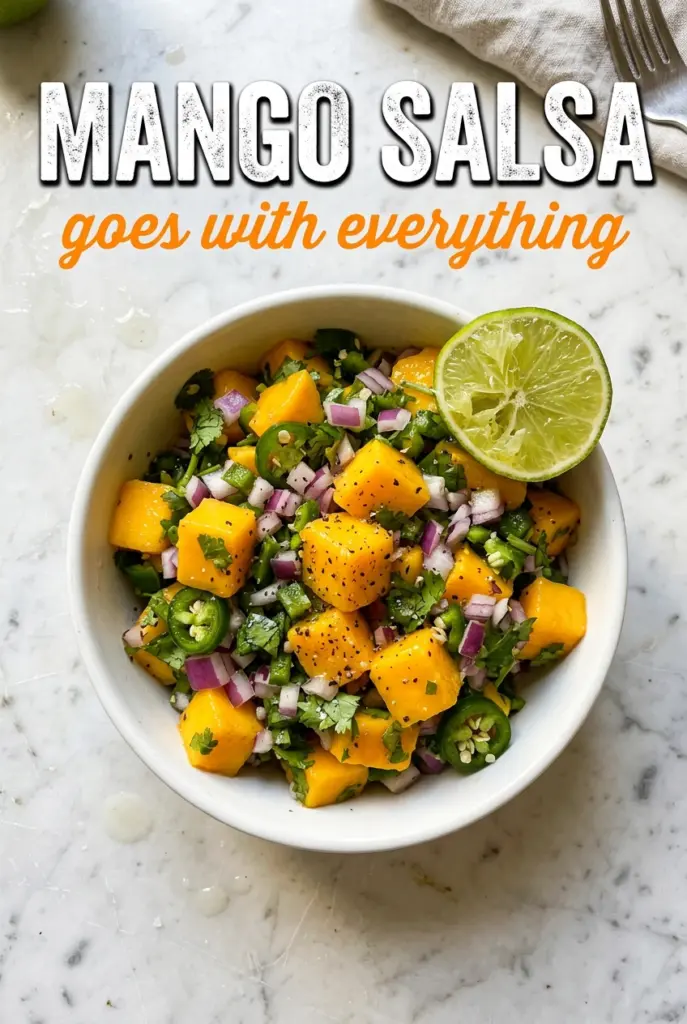
Sweet mango, sharp onion, lime, and a little jalapeño make a salsa that wakes up everything it touches. The mango stays in soft, juicy chunks instead of turning mushy, so every spoonful gives you that clean contrast of fruit, heat, and acid that makes people keep going back for one more scoop.
What makes this version work is restraint. The mango gets diced small enough to catch the lime and salt, but not so small that it disappears. A short rest in the fridge gives the onion time to mellow and lets the juice collect in the bowl, which is when the salsa starts tasting balanced instead of just chopped up.
Below, you’ll find the little details that matter: how ripe the mango should be, how to keep the jalapeño from taking over, and what to do if you want a softer or brighter finish.
I let it sit the full 30 minutes and the lime pulled everything together without making the mango watery. The little bite from the jalapeño was perfect with chips and on grilled chicken.
Save this mango salsa for tacos, grilled fish, and chip night when you want bright lime, juicy mango, and a little heat in one bowl.
The Trick to Keeping Mango Salsa Bright Instead of Watery
The biggest mistake with fruit salsa is cutting everything too far ahead and letting the bowl sit uncovered. Mango gives off juice fast, and once the salt hits, it starts drawing even more moisture out of the onion and fruit. The answer isn’t to skip the rest time. It’s to give the salsa just long enough for the flavors to meld, then stir it once before serving so the juices coat the mango instead of pooling at the bottom.
Texture matters here more than in a lot of salsas. You want soft mango cubes that still hold their edges, not a purée with onion floating through it. If the mango is overripe, cut it a little larger so it doesn’t collapse as you mix. If it’s firmer, dice it smaller so the lime and salt can get into every bite.
- Mango — Choose ripe fruit that gives slightly when pressed but doesn’t feel mushy. Under-ripe mango tastes flat and chalky, and overripe mango turns slippery once it hits the bowl.
- Red onion — Finely diced onion gives bite and crunch. If yours tastes harsh, soak it in cold water for 5 minutes, then drain well before mixing.
- Jalapeño — The heat stays cleaner if you mince it fine and remove the seeds for a milder salsa. Leave a few seeds in if you want the heat to linger.
- Lime juice — Fresh lime juice is worth it here. Bottled lime juice tastes dull and can make the whole salsa feel flat instead of bright.
- Cilantro — Chop it just before adding so it stays fragrant. If you hate cilantro, parsley gives freshness, but the salsa will taste less classic and a little less punchy.
How to Mix It So the Fruit Stays in Pieces
Building the Bowl
Add the mango, onion, jalapeño, and cilantro to a medium bowl first so you can see the texture before any seasoning goes in. A bowl that’s too small makes you over-stir, and that’s how the mango gets crushed. Use a spatula or large spoon and fold from the bottom instead of beating everything together.
Seasoning the Fruit
Pour the lime juice over the top, then add the salt and black pepper. The salt does more than season; it pulls out a little juice and helps the mango taste sweeter. Stir just until the mango looks glossy and everything is evenly coated. If it starts looking like fruit salad with juice at the bottom, you’ve gone too far.
Letting the Flavors Settle
Chill the salsa for at least 30 minutes before serving. That rest softens the onion and lets the lime spread through the bowl, which makes the salsa taste more unified. Stir once more after chilling and taste it again. If it needs more salt, add it a pinch at a time so the mango still tastes fresh.
Small Changes That Actually Make Sense Here
Make It Milder for Kids or Heat-Sensitive Guests
Use half the jalapeño and remove every seed and bit of white membrane. You’ll still get that fresh pepper flavor without the lingering burn. If you want almost no heat, swap in diced green bell pepper for crunch.
Turn It Into a More Savory Salsa
Add a few tablespoons of finely diced cucumber or avocado just before serving. Cucumber keeps the salsa crisp and light, while avocado makes it creamier and better for spooning over grilled shrimp or chicken. Don’t add avocado too early or it will soften and brown.
Dairy-Free, Gluten-Free, and Naturally Vegan
This salsa already fits dairy-free, gluten-free, and vegan eating without any changes. The only thing to watch is what you serve it with, since chips, tacos, and grilled proteins can bring in the extras. That makes this a handy dish to keep in the fridge when you need something fresh that works for almost everyone.
Storage and Reheating
- Refrigerator: Store in an airtight container for up to 2 days. The mango softens and the bowl gets juicier after the first day.
- Freezer: I don’t recommend freezing this. Mango salsa turns watery and limp after thawing, and the onion loses its crunch.
- Reheating: No reheating needed. Serve it cold straight from the fridge, then stir well and drain off any excess liquid if the bowl has sat a while.
Answers to the Questions Worth Asking
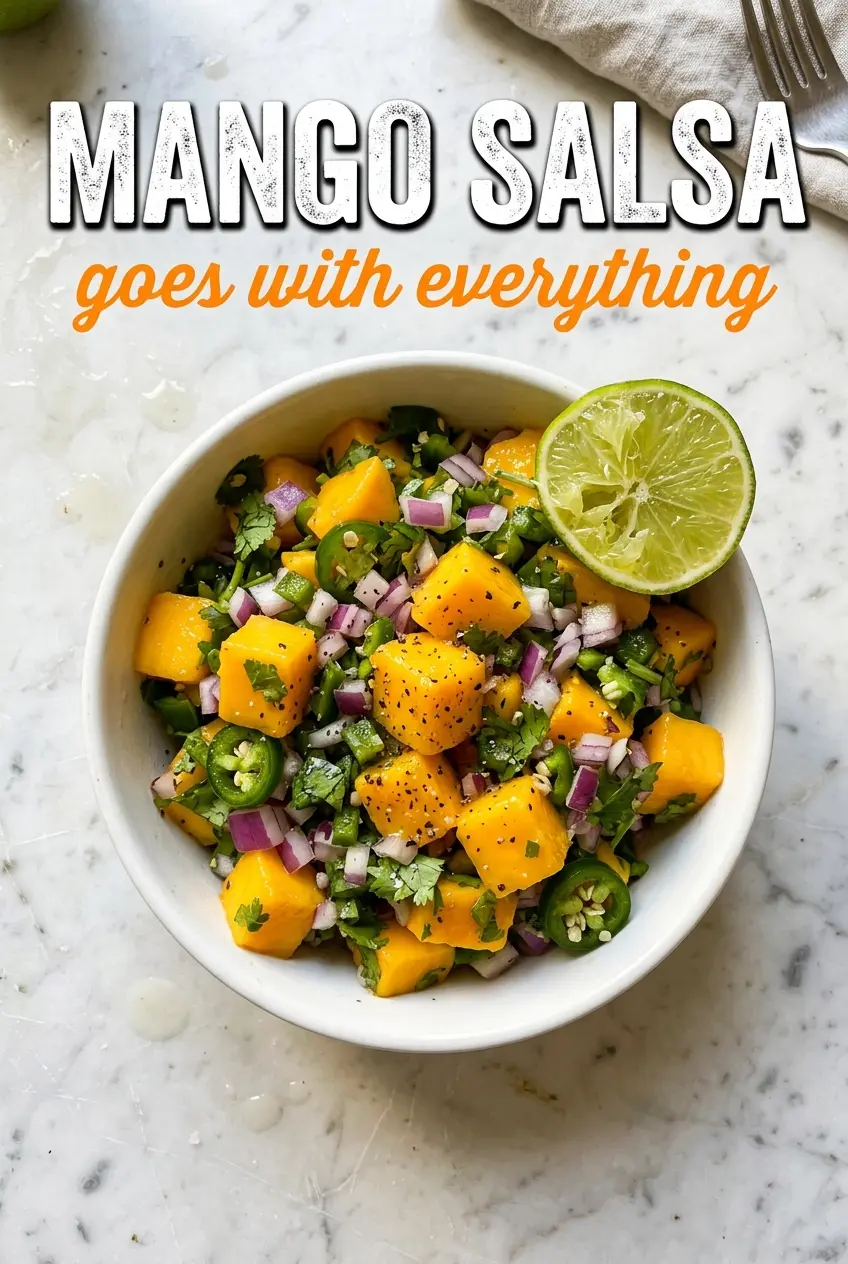
Mango Salsa
Ingredients
Method
- Combine diced mango, red onion, minced jalapeño, and chopped cilantro in a medium bowl.
- Add fresh lime juice, salt, and black pepper, then stir gently to combine without crushing the mango chunks.
- Let the salsa rest for at least 30 minutes in the refrigerator to allow flavors to meld.
- Stir again before serving and taste to adjust seasonings if needed.
- Store in an airtight container in the refrigerator for up to two days.