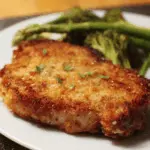
Golden seared chicken breasts in a whiskey cream sauce are the kind of skillet dinner that feels a little elevated without asking for much more than steady heat and a good pan. The chicken stays juicy, the mushrooms turn deeply savory, and the sauce comes together with that unmistakable amber edge from the whiskey before it softens into cream. It lands rich, but not heavy, which is exactly why it earns repeat status.
The trick is building the sauce in the same skillet after the chicken comes out. Those browned bits on the bottom do half the work, and the mushrooms need time to take on color before the garlic goes in. If you rush either of those steps, the sauce tastes flatter and the whole dish loses its depth.
Below, I’ll walk through the part that matters most: how to keep the cream sauce smooth after the whiskey goes in, plus a few swaps and storage notes for when you want to stretch this into another meal.
The sauce thickened up beautifully and the whiskey added a warm, savory note without tasting sharp. I followed the timing exactly and the chicken stayed juicy instead of drying out.
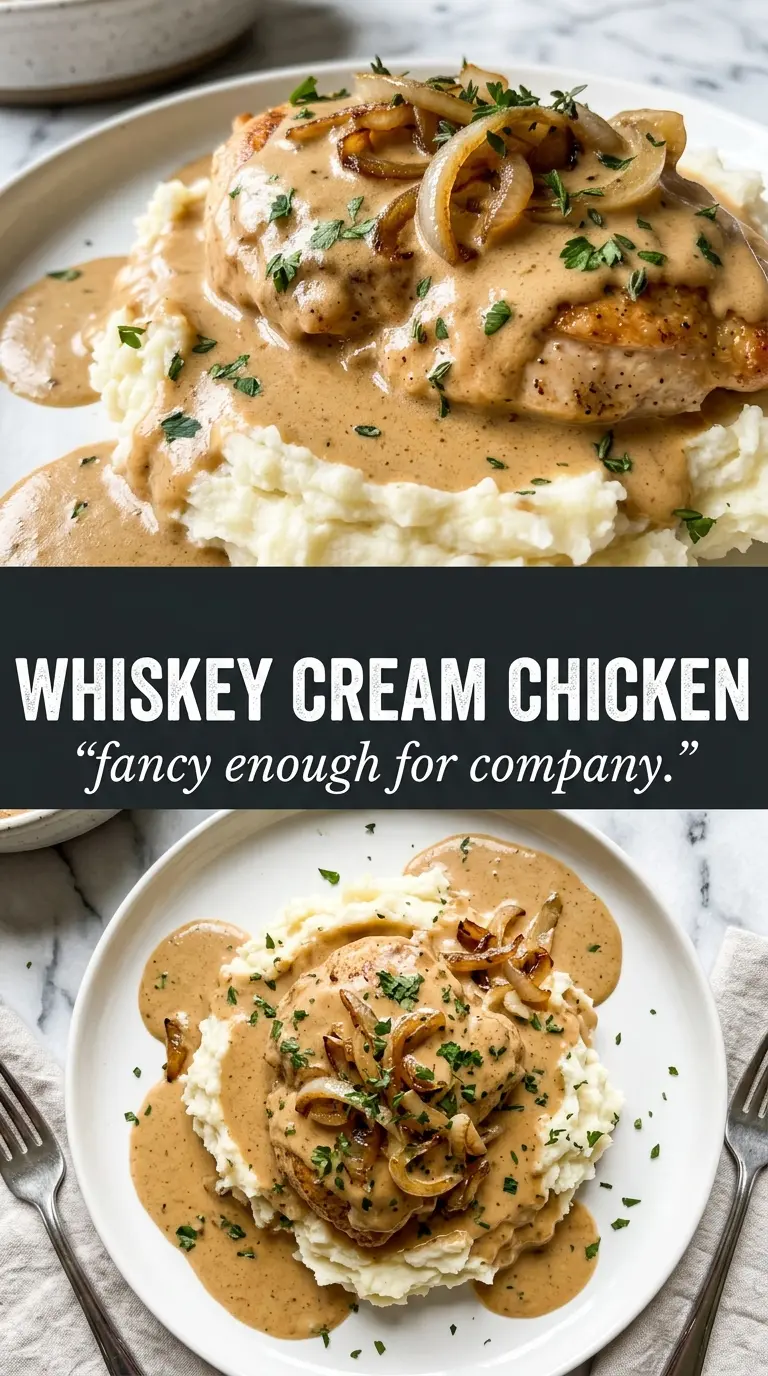
Save this Irish Chicken in Whiskey Cream Sauce for a skillet dinner with seared chicken, mushrooms, and a silky amber cream sauce.
The Key to a Smooth Whiskey Cream Sauce Is in the Pan, Not the Cream
The biggest mistake people make with a dish like this is treating the sauce like a separate step instead of the reward for good pan work. The chicken leaves browned bits behind, the mushrooms and shallots pick them up, and the whiskey loosens all of that into the base of the sauce. If the skillet looks clean when you start the sauce, you’ve already lost a lot of flavor.
The other thing to watch is heat. Whiskey needs a brief moment in the pan to burn off the harsh edge, but cream doesn’t want a hard boil. A steady simmer thickens the sauce without splitting it, and that’s what gives you the glossy finish instead of something thin or greasy.
- Chicken breasts — Pound them lightly if they’re uneven. Even thickness matters more than almost anything else here, because thin ends dry out before the center is done.
- Irish whiskey — Jameson works because it’s smooth and not overly smoky. Any decent Irish whiskey will do, but skip anything with strong oak or peat if you want the sauce to stay balanced.
- Heavy cream — This is what keeps the sauce stable. Half-and-half can work in a pinch, but it won’t thicken as cleanly and is more likely to look loose at the end.
- Dijon mustard — It doesn’t make the sauce taste mustardy. It sharpens the cream and helps the whole pan taste brighter, which matters once the mushrooms and whiskey bring in all that richness.
- Cremini mushrooms — They’re worth using here because they brown well and bring a deeper savory note than white button mushrooms. If that’s what you have, they still work, but cook them until their liquid is gone and the edges darken.
What Each Ingredient Is Actually Doing in This Chicken Dish
- Chicken (bone-in or boneless, skin-on or skinless) — Each cut has different cooking times and flavor profiles. Let thighs reach 165°F; breasts dry out if overcooked past that.
- Sauce or braising liquid (the moisture keeper) — This prevents the chicken from drying out and adds flavor. Don’t skip it even if the recipe seems moist.
- Aromatics (garlic, onion, herbs) — These add depth and complexity. Cook them with fat so they soften and sweeten instead of staying sharp.
- Cream or butter (optional richness) — These make the dish luxurious. Add to the sauce off the boil so it stays smooth instead of breaking.
- Cheese (if using) — This adds umami and richness. Mix into the sauce or sprinkle on top; either works depending on the dish.
- Acid (lemon, vinegar, wine, or tomato) — This prevents heavy sauces from tasting flat. Add at the end so the brightness doesn’t cook off.
- Proper temperature (165°F is perfect) — Use a thermometer to avoid guessing. Pull slightly early if the chicken will rest or finish in residual heat.
- Resting time (at least 5 minutes) — This lets juices redistribute so the meat stays moist when you cut into it instead of running dry.
Building the Sauce After the Chicken Comes Out
Getting a Real Sear on the Chicken
Season the chicken before it hits the pan, then cook it over medium-high heat until the surface turns deep gold and releases easily. If it sticks, it usually needs another minute; don’t force it, because that tears the crust. The chicken should reach 165°F in the thickest part, then move to a plate while you build the sauce.
Coaxing Color from the Mushrooms and Shallots
Melt the butter in the same skillet and cook the shallots and mushrooms until the mushrooms give off their moisture and start browning at the edges. That browning is where the flavor lives. If the pan feels crowded, the vegetables will steam instead of caramelize, so use a large skillet and let them sit long enough to color.
Adding the Whiskey Without Turning the Pan Bitter
Take the pan off the heat before you pour in the whiskey, then return it to medium heat once the liquid is in. That protects you from an aggressive flare-up and gives the alcohol a chance to cook off for a minute or two. You’re looking for the sharp smell to mellow, not for the liquid to disappear completely.
Finishing the Cream Sauce
Stir in the cream, broth, Dijon, and thyme, then let the sauce simmer until it coats the back of a spoon. Keep the heat gentle. If it starts bubbling hard, turn it down; that’s how you keep the sauce glossy instead of grainy. Return the chicken to the skillet and spoon the sauce over the top so the meat picks up a little of that flavor before serving.
What to Change When You Want a Lighter or Different Version
Dairy-Free Version with Coconut Cream
Use full-fat coconut cream instead of heavy cream and keep the Dijon in place. The sauce will be a little sweeter and the finish won’t be quite as classic, but it still turns silky and rich. Choose a whiskey with a cleaner profile so the coconut doesn’t fight with smoke or spice.
Gluten-Free as Written
This recipe is naturally gluten-free as long as your chicken broth and Dijon are certified gluten-free. That matters because those two ingredients can hide thickeners or vinegar made with wheat in some brands. The sauce still thickens the same way, so no extra flour is needed.
Chicken Thighs Instead of Breasts
Boneless thighs give you a juicier, slightly richer result and are more forgiving if you’re distracted at the stove. They usually need a few extra minutes to cook through, but the sauce handles them well. Use the same method and let the thermometer, not the clock, tell you when they’re done.
No Whiskey on Hand
Swap in an equal amount of chicken broth with a teaspoon of apple cider vinegar or a splash of white wine vinegar. You’ll lose the warm spirit note that gives the dish its name, but you’ll still get a savory cream sauce with enough lift to keep it from tasting flat.
Storage and Reheating
- Refrigerator: Store in an airtight container for up to 3 days. The sauce thickens as it chills, so it will look a little tighter the next day.
- Freezer: It freezes, but the cream sauce can separate a bit when thawed. If you plan to freeze it, cool it quickly and store it for up to 1 month for the best texture.
- Reheating: Warm it gently in a covered skillet over low heat with a splash of broth or cream. High heat is the fastest way to split the sauce and dry out the chicken.
Answers to the Questions Worth Asking

Irish Chicken in Whiskey Cream Sauce
Ingredients
Equipment
Method
- Season the chicken breasts with salt, pepper, garlic powder, and dried thyme. Heat olive oil in a large skillet over medium-high heat and sear the chicken for 5-6 minutes per side until golden and cooked through to 165°F, then remove to a plate.
- Melt butter in the same pan. Cook shallots and mushrooms for 5-6 minutes until golden.
- Add garlic and cook for 1 minute. Turn off the heat briefly to avoid splatter while preparing the whiskey.
- Remove from heat and carefully pour in the Irish whiskey. Return to medium heat and let the alcohol cook off for 1-2 minutes.
- Stir in heavy cream, chicken broth, Dijon mustard, and fresh thyme leaves. Simmer for 5-6 minutes until the sauce thickens.
- Return the chicken to the pan. Spoon whiskey cream sauce over each breast and garnish with fresh thyme sprigs.