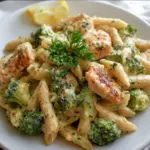
Cheesy chicken broccoli orzo lands in that sweet spot between cozy and practical: one skillet, a creamy cheddar sauce, tender chicken, and broccoli that still tastes fresh instead of cooked to death. The orzo turns the whole thing into something spoonable and rich without needing a separate sauce pot or a long simmer.
What makes this version work is the order. The chicken gets browned first, then the garlic and orzo pick up all those good browned bits before the broth and cream go in. That little bit of toasting gives the pasta more flavor, and adding the broccoli near the end keeps it bright green with just enough bite to balance all the cheese.
Below, I’ve included the small details that keep the sauce creamy instead of gluey, plus a few swaps that actually make sense if you need to work with what you’ve got.
I added the broccoli right at the end like you said, and it stayed bright and crisp-tender instead of turning mushy. The cheddar sauce coated every bit of the orzo, and even reheated the next day without turning dry.
Pin this cheesy chicken broccoli orzo for a one-skillet dinner with a creamy cheddar sauce and tender broccoli every time.
The Reason the Sauce Stays Creamy Instead of Turning Gritty
Orzo can go from silky to sticky fast if it’s treated like plain pasta. The trick here is that the broth and cream simmer together in the same pan the chicken cooked in, and the orzo gets stirred often enough to release starch into the liquid without sitting still long enough to glue itself to the bottom. That starch is what gives you body without having to make a separate roux.
The other thing that matters is heat control at the cheese stage. If the pan is boiling when the cheddar goes in, the sauce can turn grainy or stringy. Pull it down to a gentle simmer, then stir in the cheese off the hottest part of the burner so it melts into the sauce instead of seizing up.
What Each Ingredient Is Doing in the Pan

- Chicken breasts — Bite-sized pieces cook quickly and stay tender if you pull them as soon as they’re cooked through. Thighs also work if that’s what you have, and they’ll give you a little more richness.
- Orzo — This pasta is what makes the dish feel creamy and substantial without turning it into soup. There isn’t a perfect stand-in here, but small pastas like ditalini or small shells can work; expect a slightly different texture and adjust the liquid as needed.
- Chicken broth and cream — The broth cooks the orzo, and the cream smooths everything into a sauce. Half-and-half works in a pinch, but the finished dish will be a little lighter and less silky.
- Sharp cheddar and Parmesan — Sharp cheddar gives the main cheesy flavor, while Parmesan adds salt and depth. Freshly shredded cheese melts better than the bagged kind, which can leave the sauce a little chalky.
- Broccoli florets — Cut them small so they cook in the same window as the orzo. If the florets are too large, the pasta finishes before the broccoli does.
Building the Skillet So the Broccoli Stays Bright and the Chicken Stays Juicy
Brown the Chicken First
Season the chicken pieces before they hit the pan, then cook them in hot olive oil until they pick up color and cook through. You’re not looking for deep crust here, just enough browning to add flavor to the skillet. If the pan is crowded, the chicken will steam instead of sear, so work in batches if needed. Pull it out once it’s done so it doesn’t overcook while the orzo simmers.
Toast the Orzo in the Garlic Oil
Let the garlic cook just long enough to smell fragrant, then add the orzo and stir for about a minute. That quick toast gives the pasta a nuttier edge and helps it hold onto the sauce later. If the garlic starts browning hard, the heat is too high; burnt garlic will show up in the final dish fast. Keep things moving and pour in the liquid while the pan still smells sweet and savory.
Simmer Until the Orzo Is Tender but Not Mushy
Once the broth and cream are in, bring the pan to a gentle simmer and stir often. The liquid should move in lazy bubbles, not a hard boil. If it boils too aggressively, the orzo can stick and the dairy can reduce too fast before the pasta is tender. Add the broccoli in the last few minutes so it turns bright green and softens just enough to pierce with a fork.
Melt the Cheese Off the Heat
Turn the heat down before adding the cheddar and Parmesan, then stir until the sauce turns glossy and smooth. This is the point where many creamy pastas break, usually because the pan is too hot. If the sauce looks thick before the cheese is fully melted, add a splash of broth or cream and keep stirring. The final texture should cling to the pasta, not sit in a heavy puddle at the bottom of the skillet.
How to Adapt This for Different Nights and Different Pantries
Make It Gluten-Free with a Small Pasta Swap
Use a gluten-free small pasta that cooks in about the same time as orzo, then watch the liquid closely. Some gluten-free pastas absorb more broth and can go soft faster, so add a splash more broth only if the pan looks dry before the pasta is tender.
Use Thighs for a Richer, More Forgiving Chicken
Boneless skinless thighs stay juicier if you like a little more margin for error. They take about the same time to cook in bite-sized pieces, and the extra fat gives the sauce a fuller taste without changing the method.
Swap in Cauliflower for a Lower-Carb Version
Use small cauliflower florets instead of broccoli if you want a lower-carb skillet dinner. They won’t bring the same bright snap, but they do hold the cheese sauce well and cook in about the same window when cut small.
Storage and Reheating
- Refrigerator: Store in an airtight container for up to 4 days. The sauce thickens as it sits, so expect it to look a little tighter after chilling.
- Freezer: It freezes, but the sauce can separate a bit after thawing because of the dairy and cheese. If you do freeze it, cool it fully first and reheat gently.
- Reheating: Warm it slowly on the stovetop or in the microwave with a splash of broth or cream. High heat is the mistake that turns the sauce oily and the chicken dry.
Questions I Get Asked About This Recipe

Cheesy Chicken Broccoli Orzo
Ingredients
Equipment
Method
- Season the bite-size chicken pieces with salt, pepper, garlic powder, and smoked paprika. Heat olive oil in a large skillet over medium-high heat and cook the chicken for 5-6 minutes until golden and cooked through; remove to a plate.
- In the same pan, cook the minced garlic for 30 seconds until fragrant. Add orzo and toast for 1 minute, then pour in the chicken broth and heavy cream and bring to a simmer.
- Cook the orzo uncovered for 8-10 minutes, stirring often. Add the broccoli florets in the last 4 minutes so they turn bright green and become just tender.
- Stir in the shredded sharp cheddar and grated Parmesan until melted and the orzo is creamy. Return the cooked chicken to the pan and stir to combine.
- Taste and adjust seasoning. Garnish with fresh parsley and serve.