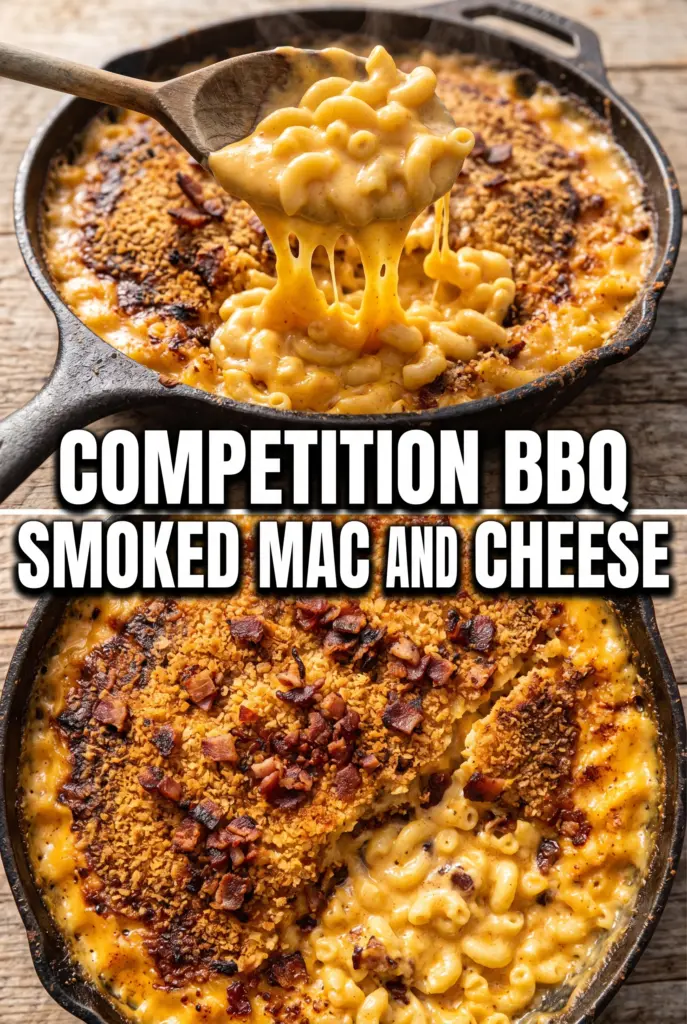
Ultra-creamy smoked mac and cheese earns its place next to ribs, brisket, and pulled pork because it brings both comfort and contrast. The pasta stays tender, the sauce turns velvety and rich, and the smoky top gives each bite a little crunch before the cheese melts in behind it. It’s the kind of side dish people scoop onto their plate once, then come back for before the main course is even finished.
The part that makes this version stand out is the balance between the stovetop sauce and the smoker finish. You’re not trying to cook the pasta in smoke; you’re letting the smoker add depth while the cheese sauce stays creamy underneath. Using both cheddar and Gouda gives the dish sharpness and meltability, and the panko topping keeps the top from going soft while the casserole heats through.
If you’ve ever had smoked mac and cheese turn grainy, dry, or heavy, the notes below will help you avoid that. I’ve also included a few easy swaps and the one resting step that keeps the sauce from running all over the pan when you serve it.
The cheese sauce stayed silky the whole time on the smoker, and that panko topping got the perfect crunch without drying out the pasta. I made it for a backyard cookout and there wasn’t a spoonful left.
Smoky, creamy Groark Boys BBQ mac and cheese with a crisp panko top is the BBQ side everyone remembers.
The Trick to Keeping Smoked Mac and Cheese Creamy Instead of Heavy
The mistake most people make is treating smoked mac and cheese like a baked casserole that needs a long, hard cook. It doesn’t. The cheese sauce should already taste finished before it ever goes into the smoker, because the smoker is there for flavor and browning, not for melting a block of cheese from scratch. If the sauce is too thick on the stove, it tightens up too far in the heat and the pasta drinks up the liquid until the whole dish turns pasty.
That’s why the milk, cream, and a proper flour-butter base matter here. They give the sauce enough body to cling to the macaroni without breaking. Using a disposable aluminum pan helps too, since it heats evenly and makes cleanup easier, but the real guardrail is pulling the dish once it’s bubbly and the top has gone gold, not waiting for it to look dry.
What the Cheddar, Gouda, and Panko Are Each Doing Here
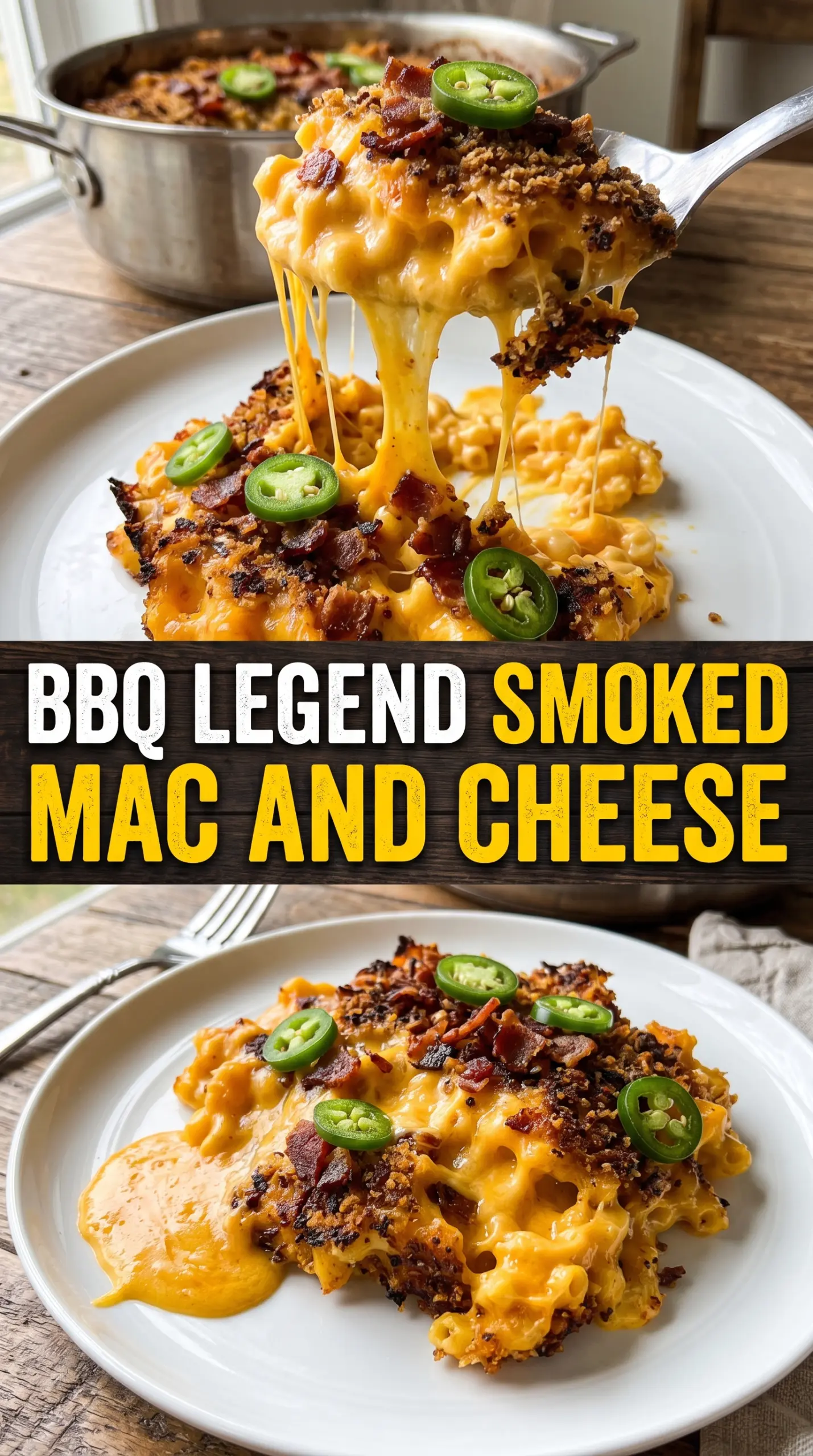
- Sharp cheddar — This brings the punch. It’s the cheese that makes the sauce taste like mac and cheese instead of just creamy pasta. Pre-shredded cheddar works in a pinch, but it often melts a little less smoothly because of the anti-caking coating.
- Gouda — Gouda adds that stretchy, mellow melt that keeps the sauce from tasting one-note. If you swap it, go with another good melting cheese like Monterey Jack; you’ll lose some of the smoky-sweet depth, but the texture will still hold up.
- Whole milk and heavy cream — This combo gives you body without turning the sauce greasy. Lower-fat milk will work, but the sauce won’t feel as lush and it’s more likely to look thin after smoking.
- Panko breadcrumbs — Regular breadcrumbs work, but panko stays lighter and crunchier on top. Mixing it with melted butter before it goes on the pasta helps it toast instead of drying out.
- Elbow macaroni — The curves hold onto sauce better than straight pasta. Cook it just to al dente so it doesn’t collapse during the smoker time.
Building the Sauce Before the Smoke Gets a Chance
Starting with the Roux
Melt the butter first, then whisk in the flour and let it cook just long enough to lose the raw flour smell. You want a pale, smooth paste, not a browned roux here, because the goal is a clean cheese sauce with no toasted aftertaste fighting the smoke. If you rush this part and the flour stays raw, the sauce tastes chalky even after the cheese goes in.
Adding the Dairy Without a Grainy Finish
Whisk in the milk and cream gradually so the roux loosens instead of clumping. The sauce should thicken enough to coat a spoon, then it’s time to pull the heat down before the cheese goes in. Cheese added over high heat is the fastest path to a broken, grainy pan, especially with sharper cheeses like cheddar.
Melting the Cheese the Right Way
Stir in the cheddar and Gouda after the pan comes off the heat or sits on low. Let each handful melt before adding more so the sauce stays smooth and glossy. Season with garlic powder, onion powder, salt, and pepper once the cheese is in, because cheese changes the seasoning level and you’ll get a better sense of the final taste that way.
Finishing in the Smoker
Fold the cooked macaroni into the sauce, spread it in the pan, then top with the buttery panko. Smoke at 225°F until the edges bubble and the top turns deep gold, usually 60 to 90 minutes. If the top browns before the center is hot, tent it loosely with foil and keep going until the middle is steaming and the sauce has settled around the pasta.
How to Adapt This for a Bigger Crowd, a Lighter Pantry, or No Gluten
Gluten-Free Version
Use your favorite gluten-free elbow pasta and swap the flour for a gluten-free all-purpose blend that can thicken a sauce. The texture will be a touch softer, so stop cooking the pasta a minute early and smoke just until everything is hot and set.
Extra Smoke, Deeper BBQ Flavor
Use a stronger wood like hickory if you want the mac and cheese to stand up next to brisket or ribs. Keep the smoking time in the same range, though, because too long in heavy smoke can start to overpower the cheese instead of complementing it.
Half-and-Half Instead of Heavy Cream
If that’s what you have, use half-and-half for the cream and keep the sauce a little looser on the stove. The finished dish will still be creamy, just a little less rich, and it may need a few extra minutes in the smoker to fully tighten up.
Making It Ahead for a Cookout
You can assemble the whole pan, stop before the panko topping if you want maximum crunch, and refrigerate it for a few hours before smoking. Let the pan sit at room temperature while the smoker comes up to temp so the center doesn’t start cold and uneven.
Storage and Reheating
- Refrigerator: Store leftovers covered for up to 4 days. The sauce will thicken as it chills, so expect a firmer texture the next day.
- Freezer: It freezes, but the sauce can get a little grainy after thawing. If you do freeze it, portion it first and reheat gently with a splash of milk.
- Reheating: Warm it covered in a 300°F oven with a tablespoon or two of milk stirred in if it looks tight. The common mistake is blasting it in the microwave until the cheese separates and the pasta dries out.
Answers to the Questions Worth Asking
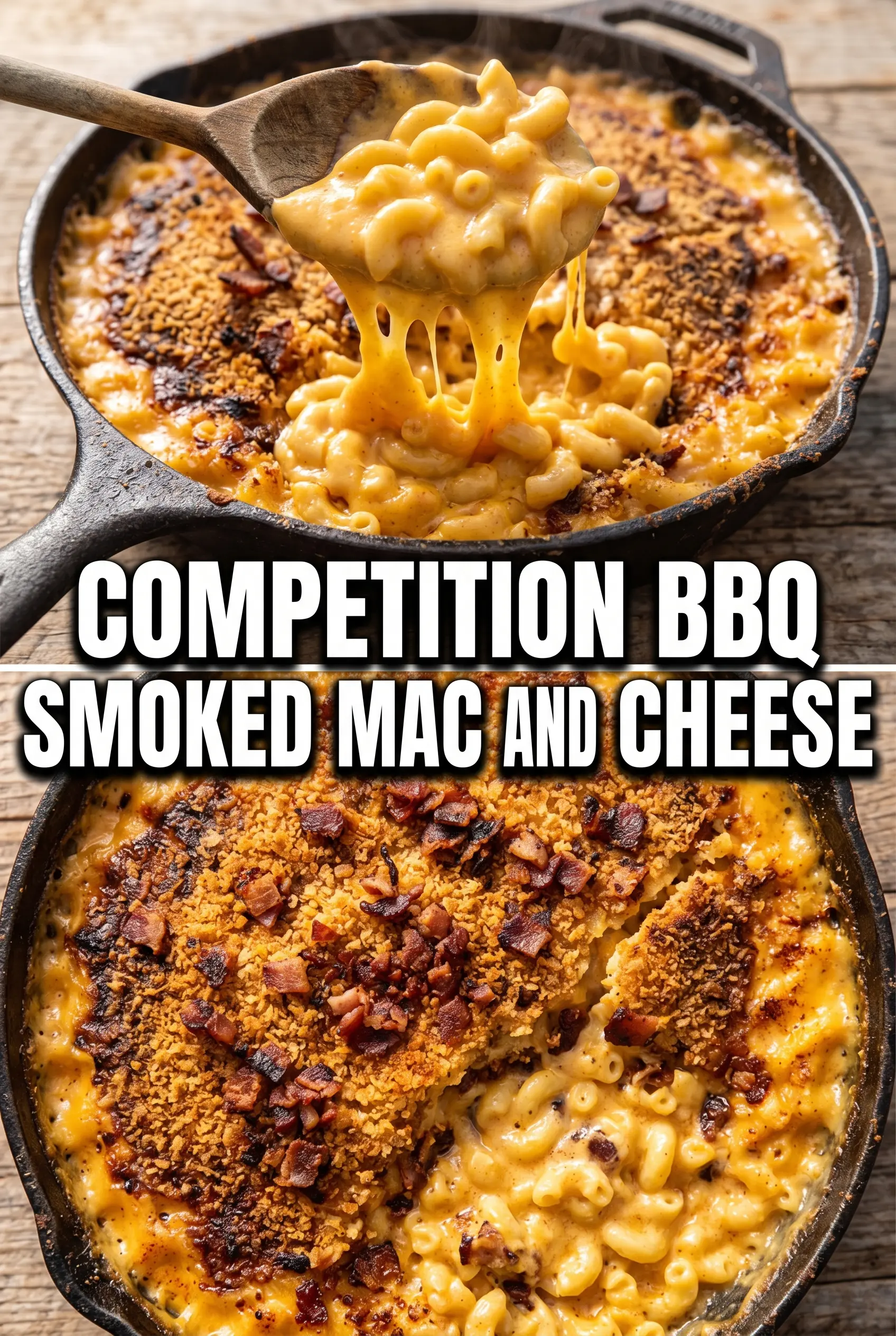
Groark Boys BBQ Smoked Mac and Cheese
Ingredients
Equipment
Method
- Prepare your smoker to 225°F using your choice of wood, and keep the temperature steady before cooking. Look for clean, steady smoke for even heat through the dish.
- Melt the butter, add the all-purpose flour, and whisk until it forms a smooth paste. The mixture should look slightly thickened and glossy.
- Whisk in the whole milk and heavy cream gradually to prevent lumps. Stop whisking when the sauce turns smooth and creamy.
- Add the sharp cheddar cheese and Gouda cheese, and stir until fully melted. Watch for a thick, pourable sauce with no visible cheese streaks.
- Season the sauce with garlic powder, onion powder, and salt and pepper to taste. Taste and adjust until the flavors pop.
- Combine the cooked elbow macaroni with the cheese sauce in a disposable aluminum pan. Fold until every noodle is coated.
- Mix the panko breadcrumbs with the melted butter and sprinkle evenly over the top. Use your fingers to break up any clumps so it browns evenly.
- Place the pan on the smoker and cook for 60-90 minutes at 225°F until the mac and cheese is bubbly and the top is golden. Look for active bubbling at the edges and a crisp, toasted surface.
- Let the smoked mac and cheese rest for 10 minutes before serving. The sauce should set slightly so it stays creamy when you scoop.