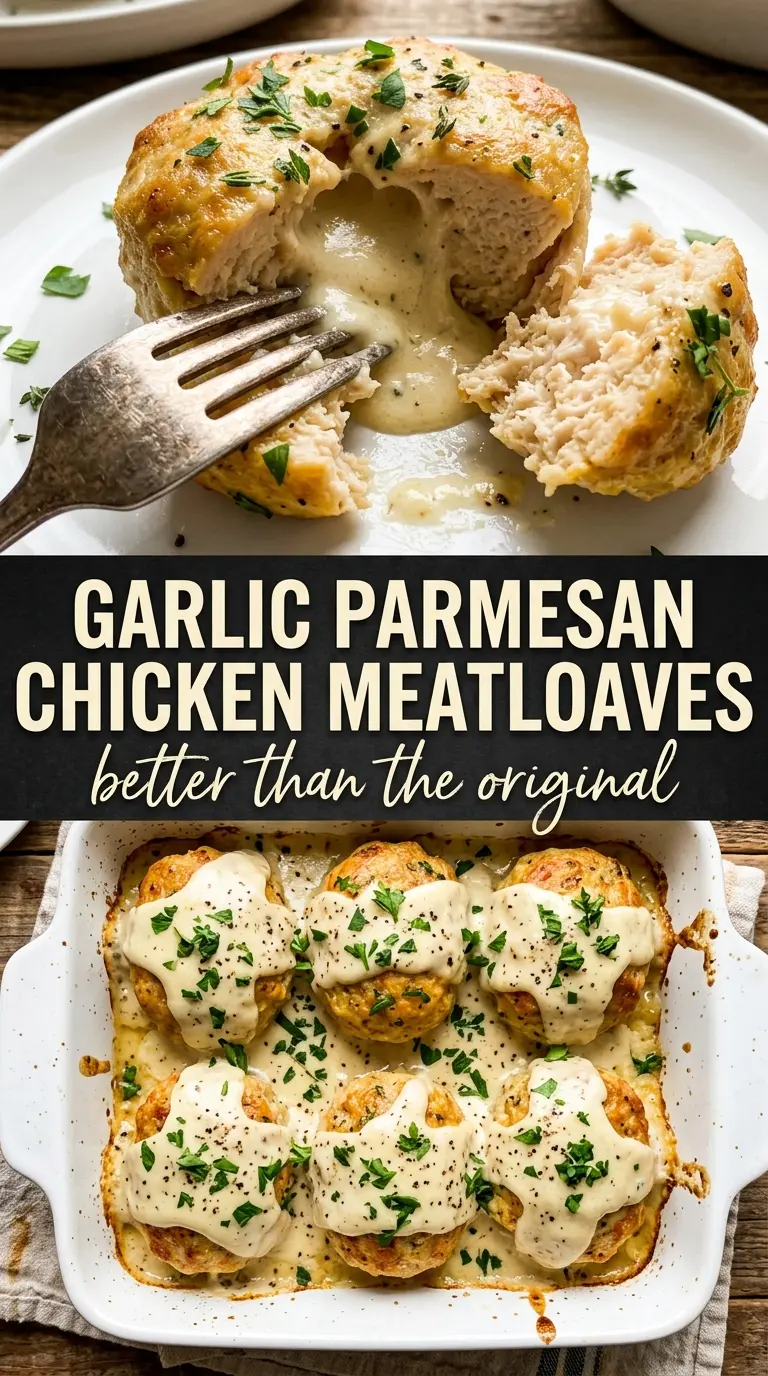
Garlic Parmesan Chicken Meatloaves bake up tender in the middle with a bronzed, salty crust that clings to every bite. The garlic butter on top does more than add shine; it helps the parmesan brown and gives the loaves that rich, savory finish that makes them feel a little more special than a standard weeknight chicken dinner.
The trick is keeping the mixture light. Ground chicken can turn dense fast if it gets overworked, so the panko, egg, and parmesan need to be mixed just until everything comes together. Then the loaves are shaped individually, which helps them cook quickly and evenly without drying out at the edges before the center is done.
Below, I’ll walk through the small details that matter most here: how to avoid a gummy texture, how to know when the tops are ready for their final butter brush, and which swaps still keep the loaf tender and flavorful.
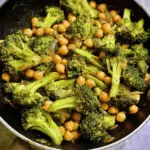
The garlic butter soaked into the parmesan crust and the meatloaves stayed juicy even after 25 minutes in the oven. I served them with roasted broccoli and my kids actually asked for seconds.
These garlic parmesan chicken meatloaves get their best crust when you brush on the butter before baking and again right at the end.
The Secret to Keeping Chicken Meatloaves Tender Instead of Dense
Chicken meatloaves fail for the same reason chicken meatballs do: they get mixed like dough. Once the protein starts tightening up, the texture turns compact and springy instead of tender. Here, the parmesan and panko do more than add flavor. They give the chicken something to cling to so it stays soft after baking.
The other thing that matters is portioning. Four individual loaves cook faster and more evenly than one large loaf, which means you get a browned outside without waiting long enough for the edges to dry out. If the tops look pale at the 22-minute mark, give them a couple more minutes, but don’t keep baking just because the center still looks a little soft at first glance. Chicken firms up as it rests.
What the Parmesan, Panko, and Garlic Are Actually Doing Here
- Ground chicken — Use regular ground chicken, not extra-lean breast-only meat if you can help it. A little dark meat fat keeps the loaves juicy and gives you a better texture after baking.
- Parmesan — Freshly grated parmesan melts into the mixture and browns on top in a way the shelf-stable shaker cheese won’t. That said, the topping can still use a cheaper grated parmesan if that’s what you have.
- Panko breadcrumbs — Panko keeps the loaf lighter than fine breadcrumbs. If you need a gluten-free swap, use gluten-free panko in the same amount and the texture stays close.
- Garlic — Fresh garlic gives the loaf its sharp, savory base and the topping carries that flavor straight into the crust. If you’re tempted to use only garlic powder, the result tastes flatter and less layered.
- Butter topping — This is what turns the top from simply browned to glossy and deeply savory. Don’t skip the second brush after baking; it wakes up the garlic and keeps the parmesan from tasting dry.
Building the Loaves So the Tops Brown Before the Centers Dry Out
Mix the chicken just until it comes together
Combine the chicken, parmesan, panko, garlic, egg, parsley, seasoning, garlic powder, salt, and pepper in a bowl and stop as soon as the mixture looks evenly distributed. The texture should feel tacky, not paste-like. If you keep stirring after that point, the loaves tighten and bake up bouncy instead of tender.
Shape four even ovals on parchment
Divide the mixture into four portions and form short oval loaves on a parchment-lined sheet pan. Keep them similar in size so they finish at the same time, and leave a little space between them so the edges can brown instead of steaming. If the mixture sticks to your hands, lightly wet your palms instead of adding more breadcrumbs.
Brush, top, and bake until golden
Mix the melted butter with garlic and brush it over each loaf before it goes into the oven. Press a little extra parmesan on top so it has something to cling to as it melts and browns. Bake at 400°F for 22 to 25 minutes, until the tops are golden and the centers reach 165°F. If the cheese starts to darken too quickly, move the pan to a lower oven rack for the last few minutes.
Finish with one last layer of garlic butter
Brush the loaves with the remaining garlic butter as soon as they come out of the oven, then scatter fresh parsley over the top. That final coating gives the crust a softer sheen and pulls the garlic flavor back to the front. Serve them right away while the edges are crisp and the centers are still juicy.
How to Adapt These Chicken Meatloaves for Different Nights
Gluten-Free Version
Swap the panko for gluten-free panko in the same amount. You’ll still get the light structure you want, and the loaves won’t turn crumbly the way they sometimes do with almond flour or crushed crackers.
Dairy-Free Adjustment
Use a dairy-free parmesan-style cheese in the mixture and top with olive oil instead of butter. The loaves will still taste garlicky and savory, but you’ll lose a little of the buttery finish that helps the crust feel rich.
Make It More Herb-Forward
Add another tablespoon of chopped parsley or a little chopped basil to the mixture. This doesn’t change the structure, but it brightens the loaf and keeps the parmesan from dominating every bite.
For Meal Prep Lunches
Bake the loaves a minute or two shy of done, then chill them. Reheat gently later so they stay moist instead of overcooking in the microwave. This is the best way to keep chicken meatloaf from drying out on day two.
Storage and Reheating
- Refrigerator: Store leftovers in an airtight container for up to 4 days. The crust softens a little, but the flavor holds well.
- Freezer: These freeze well. Wrap each cooled loaf tightly and freeze for up to 2 months. Thaw in the refrigerator before reheating for the best texture.
- Reheating: Warm in a 325°F oven, covered loosely with foil, until heated through. The common mistake is blasting them in the microwave too long, which pushes the chicken from juicy to chalky fast.
Questions I Get Asked About This Recipe

Garlic Parmesan Chicken Meatloaves
Ingredients
Equipment
Method
- Preheat the oven to 400°F and line a sheet pan with parchment. This creates a nonstick surface for the golden mini loaves.
- Combine ground chicken, parmesan cheese, panko breadcrumbs, minced garlic, egg, chopped parsley, Italian seasoning, garlic powder, salt, and black pepper in a mixing bowl until just combined. Stop mixing once the mixture comes together to keep the texture tender.
- Divide the mixture into 4 equal portions and shape each into an oval meatloaf on the prepared pan. Space them evenly so they bake and brown in the same way.
- Mix melted butter with the remaining minced garlic and brush over each meatloaf. Add a visual shine and help the top turn golden.
- Press extra parmesan onto the top of each meatloaf. Leave a slightly uneven layer so you get crisp, browned spots.
- Bake at 400°F for 22–25 minutes until cooked through and golden on top. Look for juices running clear and a firm center when pressed.
- Brush the meatloaves with the remaining garlic butter. This creates a glistening finish right before serving.
- Garnish with fresh parsley and serve. Scatter it over the tops for a fresh green contrast.