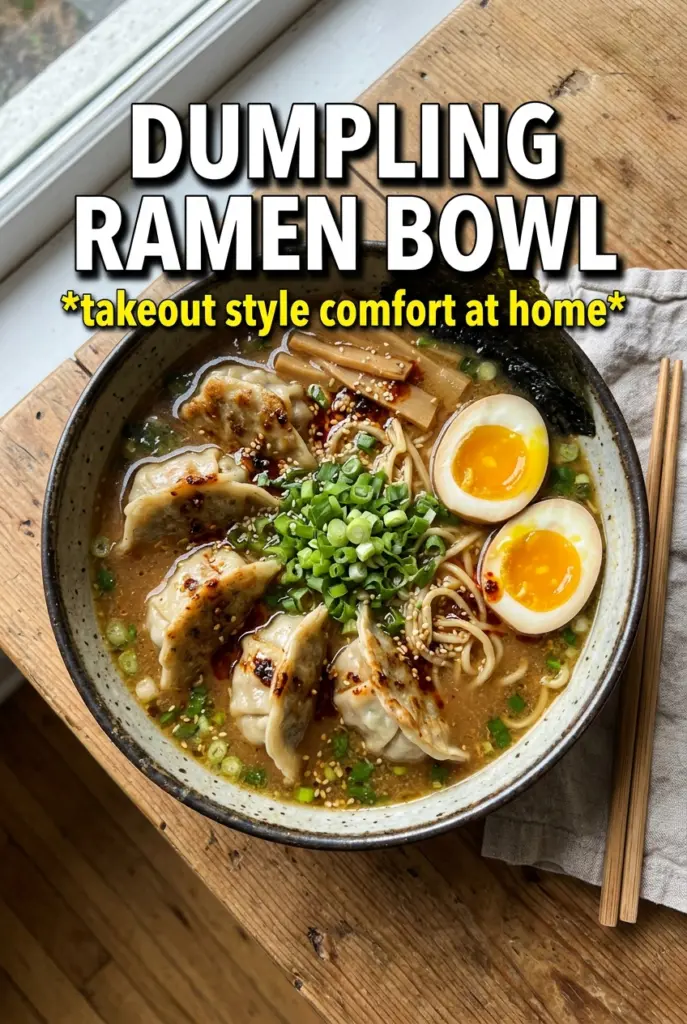
Dumpling ramen bowl lands in the bowl like a full meal with almost no fuss: springy noodles, plump dumplings, and a savory soy-miso broth that tastes like it simmered much longer than it did. The payoff is all about contrast. Soft egg yolk melts into the broth, bok choy keeps a little bite, and the chili oil gives the whole thing a clean, humming finish.
This version works because the broth is built gently. Miso goes in after the liquid is hot but not boiling hard, which keeps the flavor round instead of harsh. Cooking the noodles separately matters too, because ramen keeps releasing starch and can turn the broth muddy if it sits in the pot too long. That little extra step gives you a clearer bowl and better texture.
Below, I’ll walk through the one detail that keeps the broth from tasting flat, the ingredient swaps that still make sense, and the quickest way to keep every bowl hot from first spoonful to last.
The broth tasted deep and balanced, and the dumplings stayed tender instead of getting mushy. I loved that the noodles were cooked separately — the bowls were still perfect after a few minutes at the table.
Save this dumpling ramen bowl for the night you want a fast soy-miso broth with soft egg, crisp-tender bok choy, and dumplings in every spoonful.
The Broth Needs Heat, Not a Hard Boil
The mistake that ruins a bowl like this is treating miso like a stock cube and boiling it aggressively. Once the broth is simmering, whisk the miso in and keep the heat moderate. That keeps the broth smooth and layered instead of sharp and thin-tasting.
The other detail that matters is timing. Dumplings need enough heat to cook through, but if they simmer too long they lose their shape and start to look tired. Add the bok choy near the end so it stays bright and tender, not olive-drab and limp.
- Miso paste — White miso gives the broth its mellow depth. Red miso works, but it’s stronger and saltier, so use a little less and taste before adding more soy sauce.
- Frozen dumplings — This is where convenience pays off. Pork or chicken both work well; the key is keeping them frozen until they go into the broth so the wrappers don’t tear.
- Fresh ramen noodles — Fresh noodles hold their bounce and give the bowl that satisfying slurp. If you only have dried ramen, use it, but watch the timing closely so it doesn’t go soft in the broth.
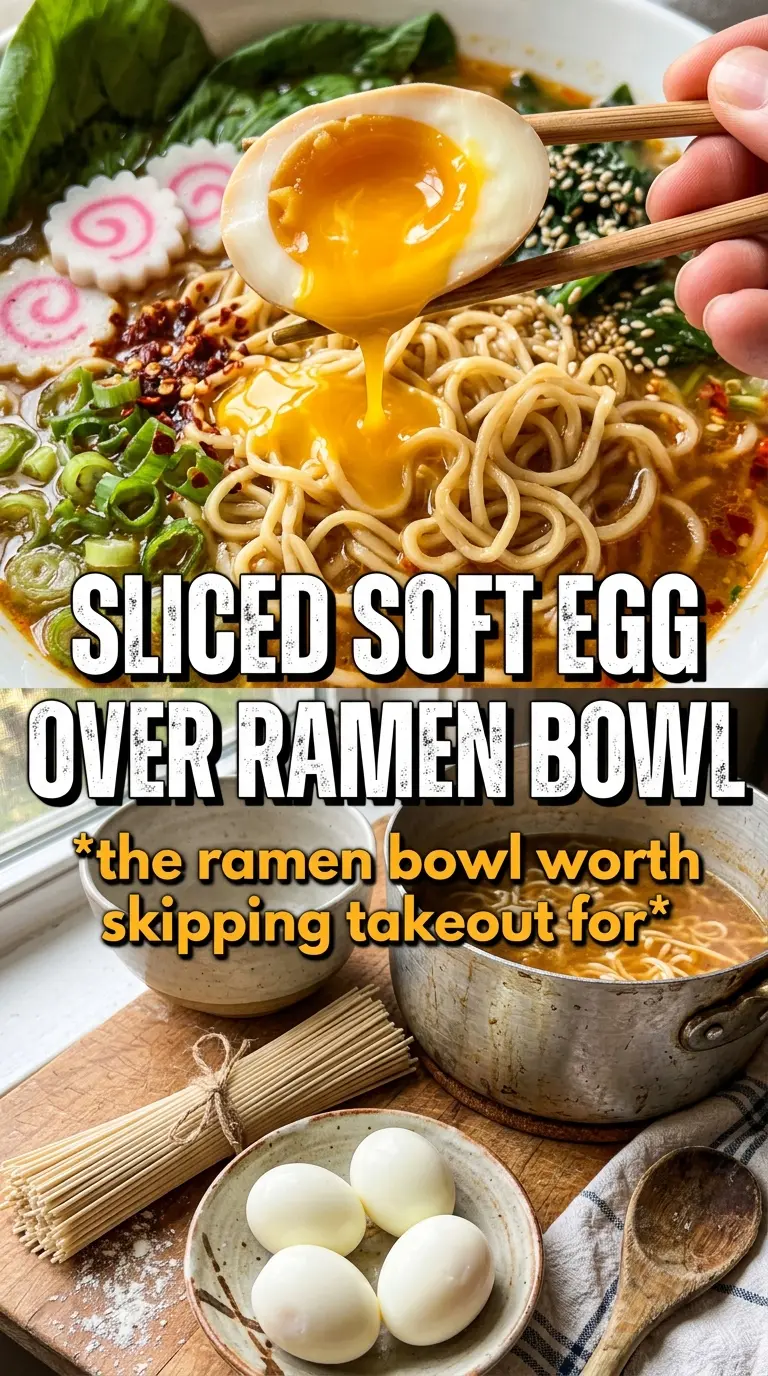
- Soft-boiled eggs — The runny yolk adds body to the broth. Peel them once they’ve cooled enough to handle, and slice them right before serving so the centers stay creamy.
What Each Ingredient Is Actually Doing in This Recipe
- Primary ingredient (the star) — Quality matters most. Choose the best you can find.
- Cooking medium (oil, butter, or broth) — This carries flavors and prevents dryness.
- Seasonings (salt, pepper, spices, herbs) — Layer flavors so nothing overpowers. Build depth gradually.
- Aromatics (garlic, onion, herbs) — Cook with fat to bloom flavors. Become the foundation.
- Supporting ingredients — Complement the main ingredient without overpowering it.
- Sauce or liquid (if applicable) — Brings flavors together. Balance richness with acid.
- Acid (lemon, vinegar, wine, or other) — Brightens and prevents flat-tasting results.
- Final finish (garnish, glaze, or sauce) — Prevents one-dimensional taste and adds visual appeal.
Building the Bowl in the Right Order
Start With the Broth
Warm the chicken broth until it’s steaming, then whisk in the miso, soy sauce, mirin, and sesame oil. You want the liquid to look glossy and smell savory, not boil furiously. If the miso clumps, it means the broth was too cool or you added it all at once; whisk it into a small ladle of hot broth first if that happens.
Cook the Dumplings Through
Add the frozen dumplings directly to the simmering broth and give them room to move. They’re done when the wrappers turn translucent in spots and the filling feels firm, usually after 5 to 7 minutes depending on size. Keep the heat at a lively simmer, not a rolling boil, or the dumplings can split open before the centers are cooked.
Wilt the Greens at the End
Stir in the bok choy for the last couple of minutes. It should soften just enough for the thick stems to lose their raw crunch while the leaves stay bright. Corn goes in easily here too, since it just needs to warm through and doesn’t need much attention.
Assemble So the Noodles Stay Springy
Cook the ramen noodles separately, drain them well, and divide them between bowls first. Ladle the broth and dumplings over top, then finish with egg, green onions, nori, sesame seeds, and chili oil. If you skip the separate noodle pot, the broth can turn starchy and the noodles keep cooking in the bowl, which is how you lose that clean, springy texture.
Three Smart Ways to Adapt This Bowl
Make It Gluten-Free Without Losing the Broth
Use gluten-free tamari in place of soy sauce and swap in gluten-free noodles. Check the dumpling package carefully, because many wrappers contain wheat. The broth still tastes balanced, but the noodle texture will be a little different unless you find a good rice or millet-based ramen.
Go Dairy-Free and Keep It Rich
This bowl is already naturally dairy-free, so the main thing is keeping the sesame oil and miso in the mix for body. Don’t skip the egg unless you need to; the yolk adds the same kind of richness people often look for in creamier soups.
Turn It Vegetarian
Use vegetable broth and swap in vegetable dumplings or tofu gyoza. You’ll lose some of the meaty depth, so lean on the miso, sesame oil, and a little extra green onion to keep the bowl savory and complete.
Storage and Reheating
- Refrigerator: Store broth, dumplings, noodles, and toppings separately for up to 3 days. The noodles tighten up as they sit, so keep them apart from the liquid if you want the best texture.
- Freezer: The broth freezes well for up to 2 months, but the cooked noodles and bok choy do not. Freeze the broth on its own and add fresh noodles, dumplings, and toppings when you reheat.
- Reheating: Warm the broth gently on the stove until steaming, then add the dumplings just long enough to heat through. Reheat noodles briefly in hot water or fresh broth; microwaving them straight from the fridge usually makes them gummy.
Questions I Get Asked About This Recipe
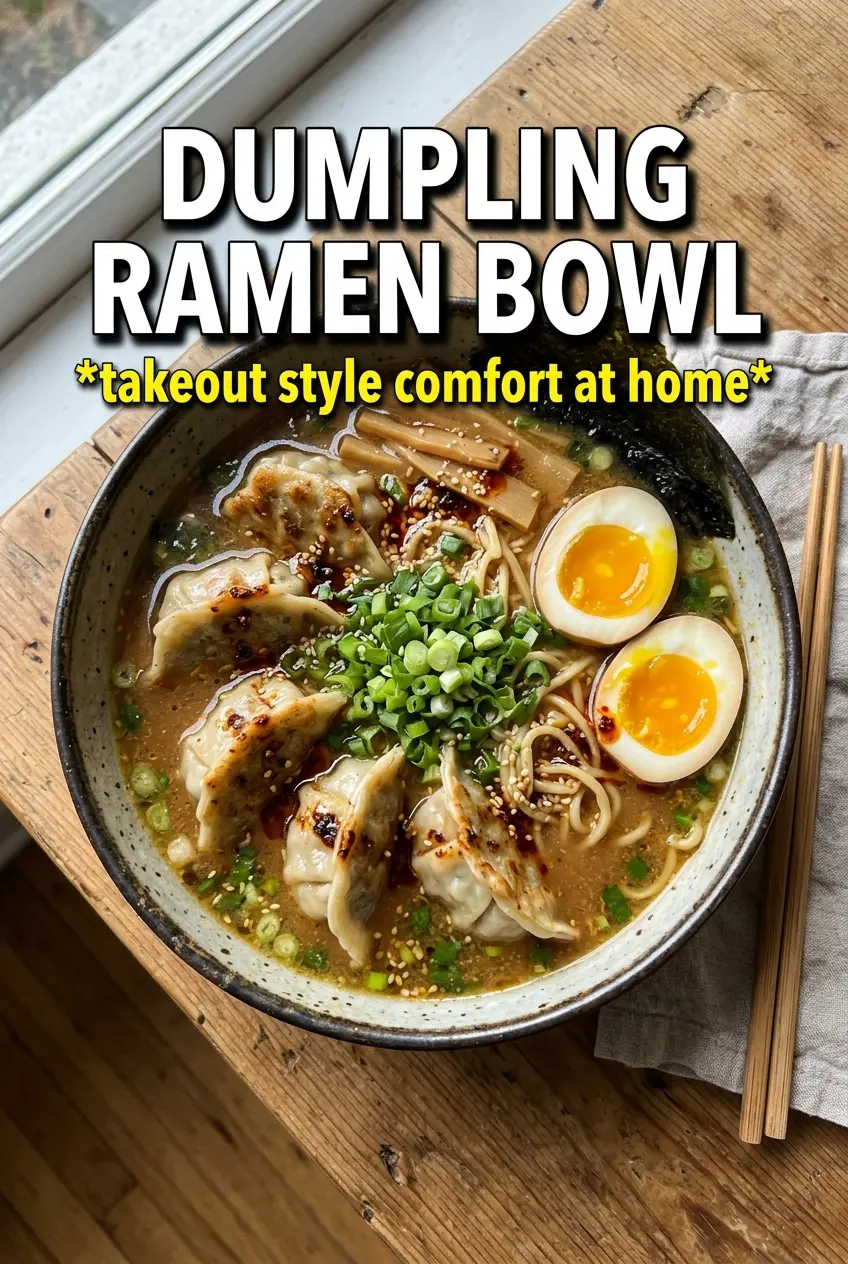
Dumpling Ramen Bowl
Ingredients
Equipment
Method
- Bring the chicken broth to a simmer in a Dutch oven. Whisk in the white miso paste, soy sauce, mirin, and sesame oil until smooth, then season with salt to taste.
- Add the frozen pork or chicken dumplings to the simmering broth. Cook for 5-7 minutes until cooked through, keeping the liquid at a gentle simmer.
- Add the bok choy (halved) to the pot. Cook for 2-3 minutes until wilted.
- Cook the fresh ramen noodles separately according to the package instructions, then drain. Keep them hot so the texture stays springy.
- Divide the noodles between 4 serving bowls. Ladle the soy-miso broth with dumplings and bok choy over the noodles.
- Top each bowl with halved soft-boiled eggs. Scatter over the corn, green onions, nori sheets, sesame seeds, and chili oil for serving.