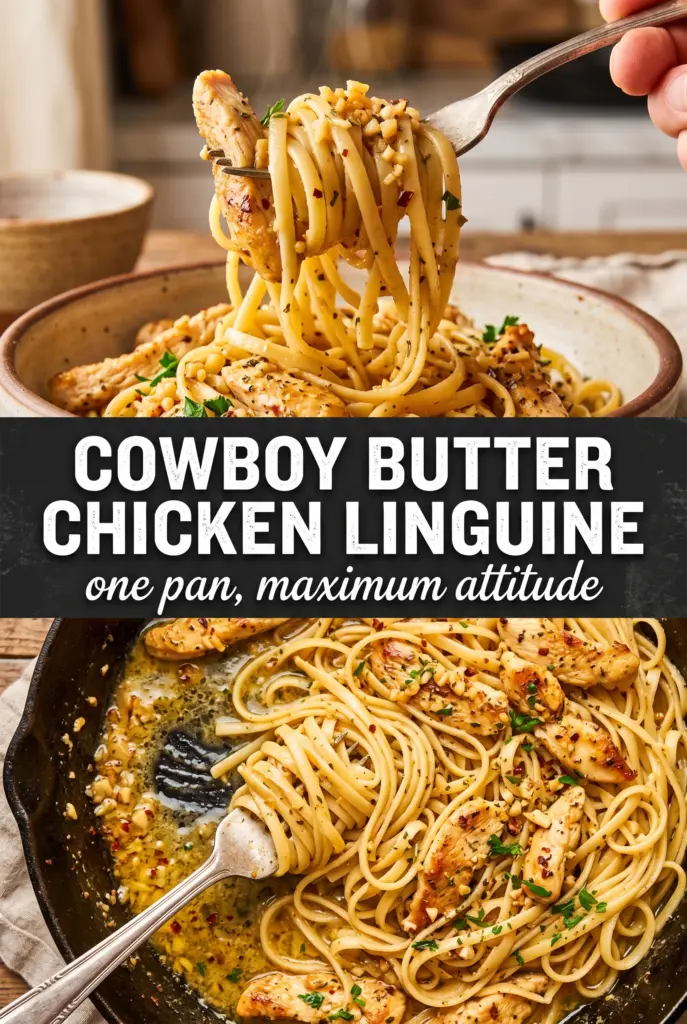
Linguine slicked with cowboy butter sauce hits that rare middle ground between bold and easy: enough heat to wake up the palate, enough butter to feel generous, and just enough lemon to keep the whole pan from turning heavy. The chicken stays juicy because it’s seared hard and fast, then brought back at the end instead of simmered until it dries out.
The key is building the sauce in the same skillet you used for the chicken. Those browned bits left behind are the backbone of the dish, and a little pasta water helps the butter cling to the noodles instead of sliding off. Dijon adds a quiet sharpness, while smoked paprika and red pepper flakes give the sauce its warm, peppery edge without burying the lemon and herbs.
Below, I’ll show you the small timing details that keep the sauce glossy and the chicken tender, plus a few smart swaps if you need to adjust the heat or work with what’s already in your kitchen.
The sauce clung to the linguine beautifully and the chicken stayed browned instead of getting lost in the pasta. I added a splash of pasta water like you said and it turned glossy instead of greasy.
Save this cowboy butter chicken linguine for the nights when you want a glossy, spicy pasta with a lemony finish and almost no cleanup.
The Trick to Keeping Cowboy Butter Sauce Glossy Instead of Greasy
Cowboy butter sauce can split if it gets blasted with heat after the butter melts. That’s the mistake most people make. Once the garlic has softened and the spices have bloomed, the pan should come off the hottest part of the burner before the lemon juice goes in. Acid and high heat together are what make butter look broken and oily instead of silky.
The second thing that matters is the pasta water. It doesn’t just thin the sauce; it helps emulsify the butter so it wraps around the linguine instead of pooling at the bottom of the bowl. Add it a splash at a time. Too much at once turns the sauce loose and washes out the seasoning.
- High-heat seared chicken — You want real browning here, not pale steamed chicken. A hot skillet gives you those flavorful browned bits that feed the sauce later.
- Butter — Use real butter here. It carries the spices and herbs in a way oil can’t, and it gives the sauce its glossy finish.
- Dijon mustard — This is the quiet stabilizer. It sharpens the sauce and helps it hold together when the lemon juice goes in.
- Lemon juice — Fresh juice matters. Bottled lemon tastes flat in a sauce this simple, and you’ll notice it immediately.
What Each Ingredient Is Actually Doing in This Pasta
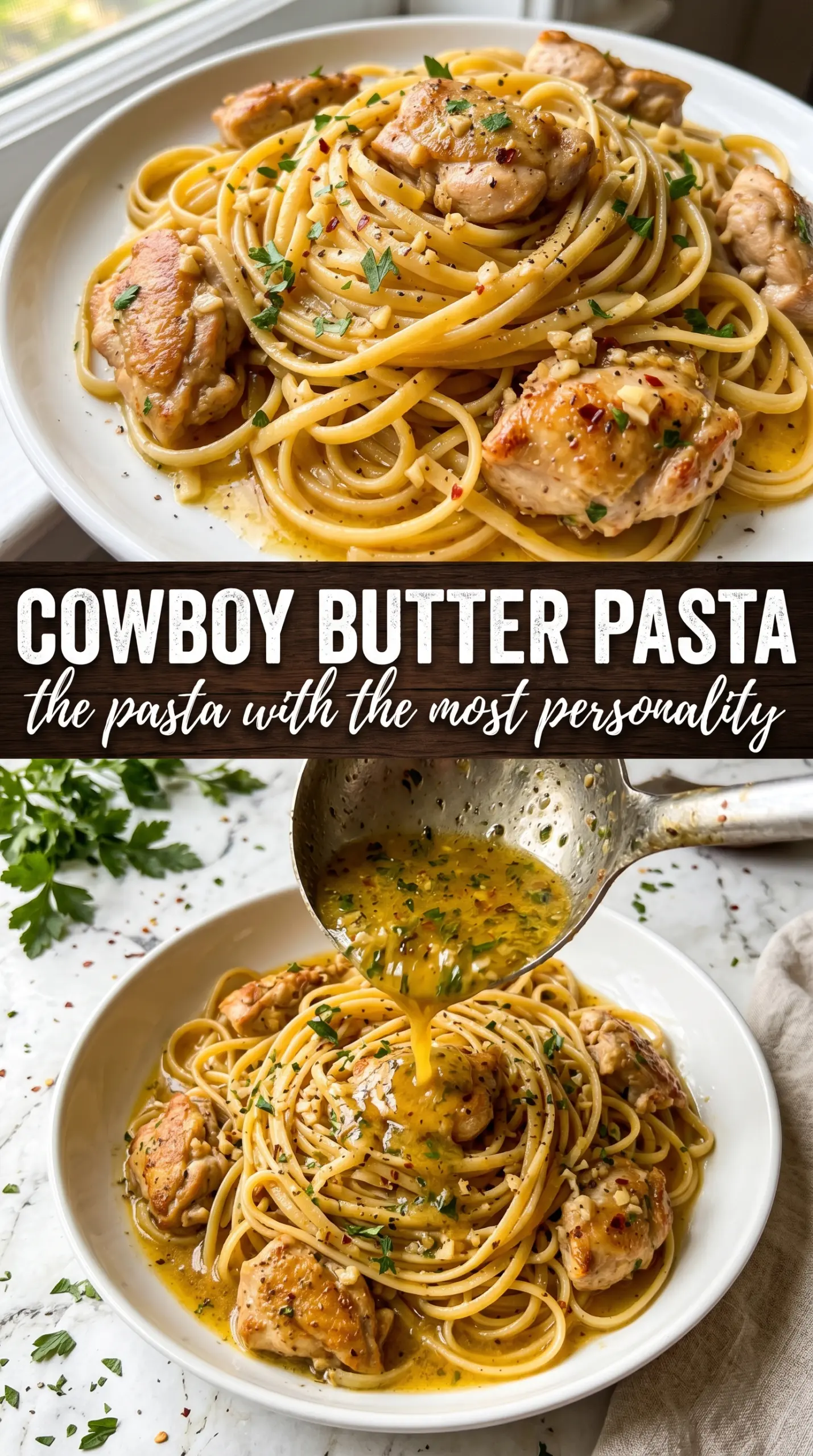
The chicken breasts give you a lean base that can stand up to the bold sauce. Slice them into strips before cooking so they brown fast and stay tender; whole pieces take longer and usually dry out before the outside gets good color. If you only have chicken thighs, they work too, and they’ll taste even richer.
Smoked paprika and red pepper flakes do different jobs. The paprika brings depth and a subtle woodsy note, while the flakes give little bursts of heat through the sauce. Cayenne is the sharpest heat in the pan, so keep it modest if you want the lemon and herbs to stay in the foreground. The parsley and chives go in at the end because they need the heat of the sauce, not a long cook.
- Linguine — The flat shape catches the butter sauce better than spaghetti. Any long pasta works, but linguine gives you the best cling.
- Cajun seasoning — This seasons the chicken fast and brings built-in salt, garlic, and heat. If your blend is salt-heavy, back off on added salt so the chicken doesn’t turn harsh.
- Parsley and chives — Fresh herbs matter here. Dried herbs won’t give the same clean finish, and they can make the sauce taste dusty.
- Butter substitute — If you need dairy-free, use a good vegan butter that melts cleanly. The flavor shifts a little, but the texture still works if you keep the heat gentle.
Building the Sauce and Pasta So They Coat, Not Clump
Getting the Chicken Browned Fast
Season the chicken strips generously, then spread them out in the hot olive oil without crowding the pan. If they overlap, they’ll steam before they brown, and you’ll lose the savory edge that makes this pasta taste full of itself in the best way. Four to five minutes is usually enough for thin strips; pull them once they’re cooked through and carry a deep golden color on the outside. They finish later when they go back into the pasta.
Letting the Spices Bloom in Butter
Once the butter melts, add the garlic and keep it moving just until fragrant. Burned garlic turns bitter fast, so this stage is short. Stir in the Dijon, smoked paprika, red pepper flakes, and cayenne for about 30 seconds. You’re looking for the spices to darken slightly and smell toasted, not raw or dusty.
Tossing the Linguine Into the Finish
Add the lemon juice, parsley, and chives, then bring the pasta into the skillet while the sauce is still warm and loose. Add pasta water a splash at a time and toss until the noodles look lacquered instead of wet. If the sauce starts to tighten before the pasta is fully coated, another spoonful of pasta water brings it back. Return the chicken last so it stays juicy and doesn’t overcook in the sauce.
How to Adapt This for Less Heat, More Creaminess, or No Dairy
Milder Cowboy Butter Pasta
Cut the cayenne in half and use just a pinch of red pepper flakes if you want warmth without a strong burn. The paprika still keeps the sauce interesting, and the lemon keeps it from tasting flat even with the heat turned down.
Extra-Lustrous Sauce
Add an extra tablespoon of butter at the end and toss off the heat for a richer finish. This makes the sauce silkier, but it also softens the spice, so taste before serving and adjust with a little more lemon or Cajun seasoning if needed.
Dairy-Free Version
Swap in a dairy-free butter that melts smoothly and use the same method. You’ll lose a little of the classic butter richness, but keeping the heat low and using pasta water still gives you a glossy sauce that coats well.
Storage and Reheating
- Refrigerator: Store leftovers in an airtight container for up to 3 days. The pasta will absorb some sauce as it sits, so it won’t stay as glossy as it was on day one.
- Freezer: I don’t recommend freezing this one. Butter sauces tend to separate after thawing, and the linguine turns soft instead of springy.
- Reheating: Warm it gently in a skillet with a splash of water over low heat. The common mistake is using high heat, which dries out the chicken and makes the sauce greasy instead of smooth.
Answers to the Questions Worth Asking
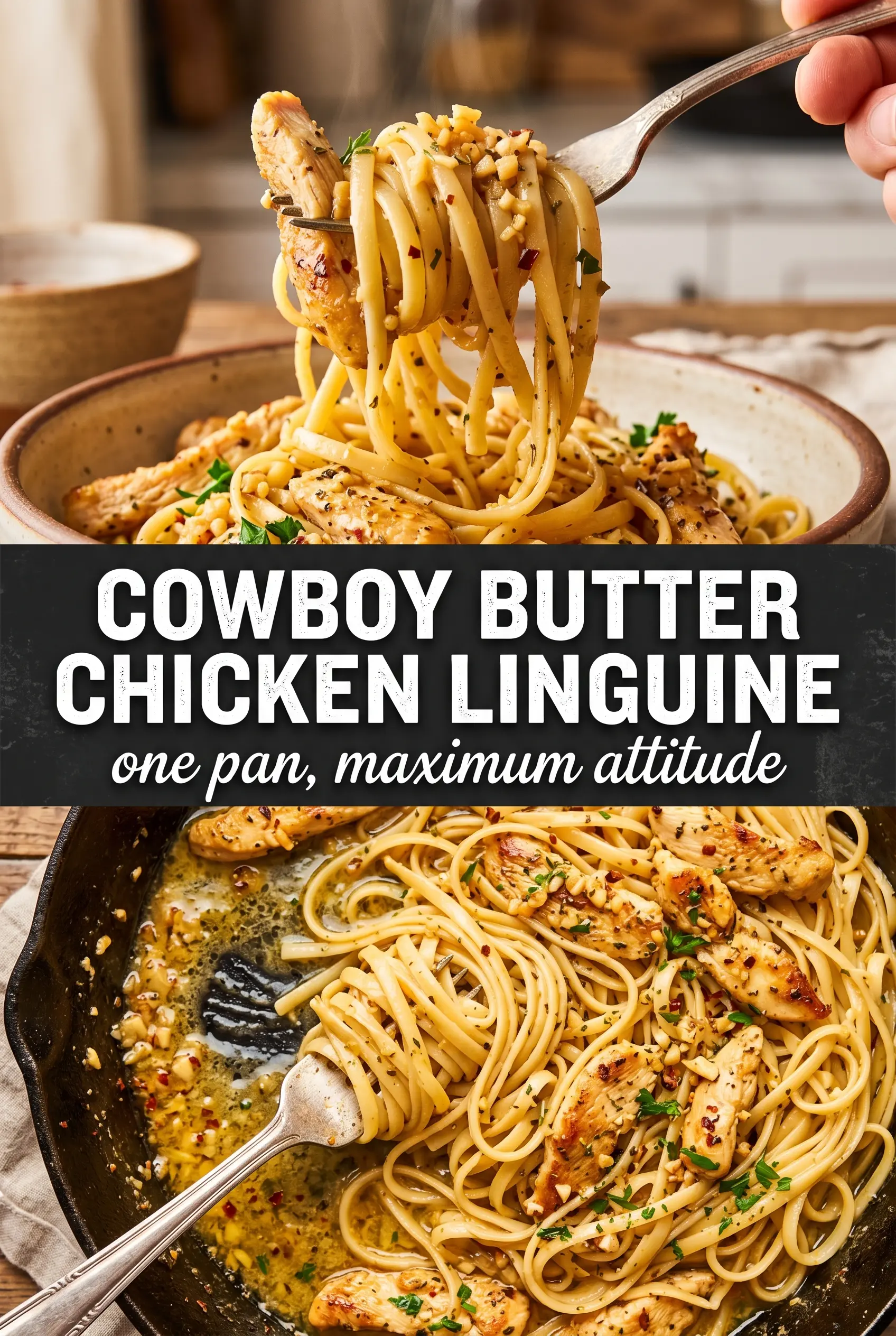
Cowboy Butter Chicken Linguine
Ingredients
Equipment
Method
- Season the chicken strips with salt, pepper, and Cajun seasoning to taste. Heat olive oil in a large cast iron skillet over high heat and sear the chicken for 4-5 minutes, until charred and cooked through, then remove.
- Melt the butter in the same skillet over medium heat. Add the minced garlic and cook for 1 minute.
- Stir in Dijon mustard, smoked paprika, red pepper flakes, and cayenne pepper, then cook for 30 seconds.
- Add fresh lemon juice, chopped parsley, and chopped chives, then stir to combine.
- Add the cooked linguine to the skillet and toss with the cowboy butter sauce, adding reserved pasta water as needed for a glossy coating. Top with the seared chicken strips.
- Serve immediately while the sauce clings to the pasta and the chicken is hot.