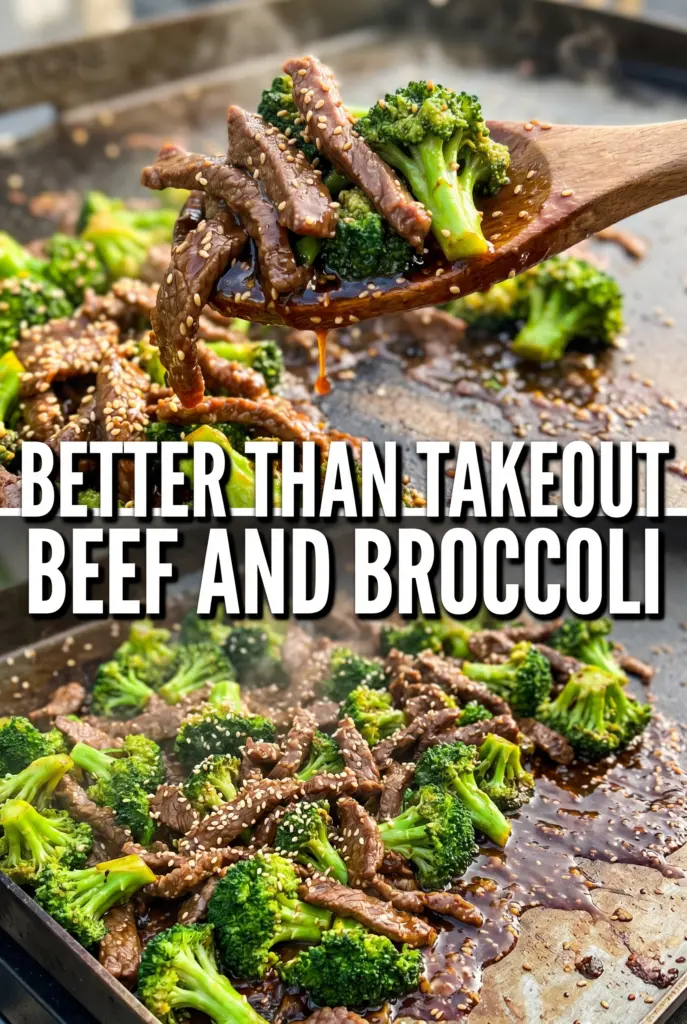
Glossy beef and broccoli cooks fast on a hot Blackstone, but the part that makes it worth repeating is the balance: seared flank steak, crisp-tender broccoli, and a sauce that clings instead of puddling on the griddle. When it’s done right, the beef stays tender, the broccoli keeps its bright green color, and every bite tastes like it came straight off a takeout line, only fresher.
The trick is in the order. A short marinade with soy sauce, brown sugar, and cornstarch gives the beef a head start on flavor and helps the sauce thicken later. The griddle also needs to be hot enough that the steak sears quickly instead of steaming, and the beef has to be cooked in batches so it browns instead of turning gray. That extra attention pays off in texture, which is the whole point of cooking this on a flat top.
Below you’ll find the exact timing that keeps the broccoli crisp, plus the small sauce adjustment that keeps everything glossy. If you’ve had beef and broccoli come out watery or tough before, this version fixes both problems.
The sauce thickened up perfectly on the griddle and the beef stayed tender because I cooked it in batches like you said. Even the broccoli had those little browned edges without getting soft.
Save this Blackstone Beef and Broccoli for the nights when you want tender steak, crisp broccoli, and a glossy stir-fry sauce in under 30 minutes.
The Griddle Heat That Keeps the Beef Tender Instead of Gray
The biggest mistake with beef and broccoli on a Blackstone is crowding the meat onto a surface that isn’t hot enough. Flank steak needs immediate heat so the outside sears before the juices have time to leak out. If the beef goes on and sits there turning pale, the griddle is too cool or the pan is overloaded.
Batch cooking matters here. It keeps the steak in contact with the metal long enough to brown, and it leaves enough room for the sauce to reduce instead of steaming everything at the end. The broccoli also benefits from that same heat: it gets color on the edges while staying crisp in the center.
- Thin-sliced flank steak — Slice it against the grain and keep the pieces even. That one move does more for tenderness than any extra sauce can.
- Cornstarch — It helps the marinade coat the beef and later thickens the sauce into that glossy finish you want. Flour won’t give the same clean texture.
- Broccoli florets — Fresh florets hold their bite better than frozen here. Frozen broccoli sheds too much water and softens before it can char.
- Oyster sauce — This is what gives the dish depth, not just salt. If you skip it, the sauce tastes flatter and more like soy broth.
What the Sauce Ingredients Are Doing on the Flat Top
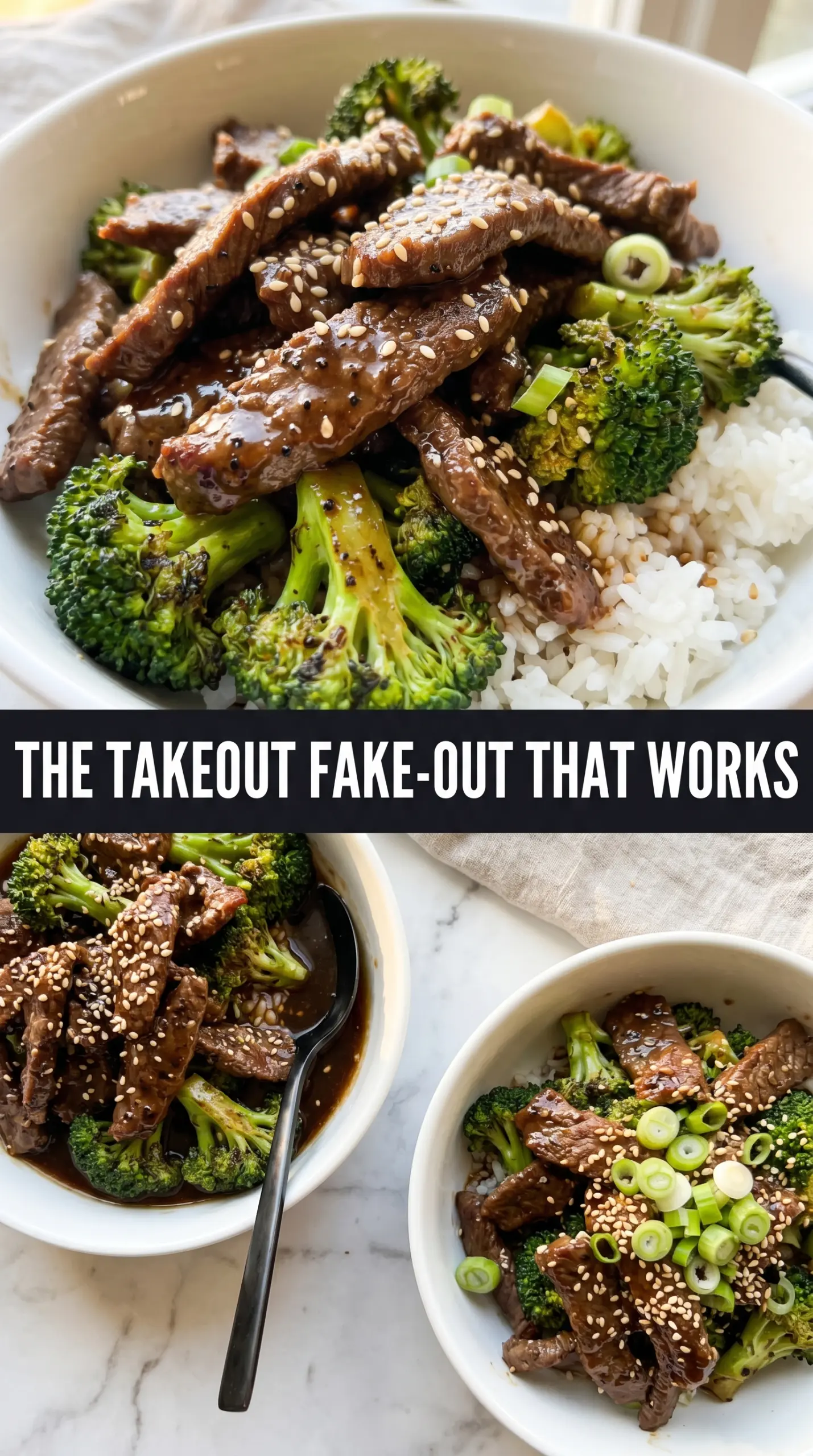
The soy sauce brings the salt and that familiar stir-fry backbone, but it’s the brown sugar and beef broth that make the sauce taste rounded instead of sharp. The sugar also helps the sauce cling to the beef and broccoli once it hits the heat. Use a decent beef broth if you can, because it adds a little body that water just can’t replace.
Garlic and ginger go in late because they burn fast on a hot griddle. If they hit the surface too early, they’ll turn bitter before the sauce is built. That short 30-second sizzle is enough to wake them up without pushing them past the point where they taste clean and fresh.
Marinating the Beef for a Fast Sear
Stir the beef with soy sauce, brown sugar, and cornstarch until it looks lightly coated rather than wet. That coating helps the steak brown instead of stewing, and the 30-minute rest is enough to season the meat without making the texture mushy. If the mixture looks pasty, a splash more soy loosens it just enough.
Searing in Batches
Spread the beef out and leave it alone long enough to get color before you flip it. If you stir too soon, it loses contact with the griddle and starts releasing liquid instead of browning. Two to three minutes per side is enough for thin flank steak; once it has a deep brown edge, pull it off.
Cooking the Broccoli to Crisp-Tender
The broccoli should hit the griddle after the beef comes off, with enough oil to keep the edges from scorching. You want bright green florets with browned spots on the tips and just enough softness that a fork slides in with a little resistance. If the broccoli starts to blacken before it turns tender, the heat is too aggressive or the florets are cut too small.
Finishing the Sauce
Once the garlic and ginger are fragrant, add the soy sauce, oyster sauce, brown sugar, and beef broth and let the mixture loosen across the hot surface. Return the beef and toss everything together for about two minutes so the sauce thickens and coats the meat. If it looks thin, keep it moving; the cornstarch in the marinade will finish the job as the liquid bubbles down.
How to Adapt Blackstone Beef and Broccoli Without Losing the Texture
Gluten-Free Version
Use gluten-free soy sauce or tamari and check that your oyster sauce is labeled gluten-free. The method stays the same, and the sauce still thickens because the cornstarch is doing that work, not the soy sauce. The flavor stays close to the original, just a little cleaner and less salty depending on the brand you use.
Dairy-Free by Default
This recipe already works without dairy, which is one reason it’s such a practical griddle dinner. Just use a neutral oil with a high smoke point and keep the beef broth and sauces dairy-free as well. You won’t lose any creaminess because there isn’t any dairy in the first place; the shine comes from the sauce reduction.
Lower-Sugar Sauce
Cut the brown sugar to 1 tablespoon if you want a less sweet sauce. The result will taste sharper and a little less glossy, so let it reduce an extra minute or two to concentrate the flavors. Don’t cut the sugar out completely unless you’re changing the rest of the sauce too, because it helps balance the soy and oyster sauce.
Storage and Reheating
- Refrigerator: Store leftovers in an airtight container for up to 3 days. The broccoli softens a little as it sits, but the flavor stays solid.
- Freezer: It freezes, but the broccoli loses some of its bite. Freeze only if you’re okay with a softer texture after thawing.
- Reheating: Warm it in a skillet or on the griddle over medium heat with a splash of broth or water. Microwaving works in a pinch, but it can make the beef tough and the broccoli limp if you overheat it.
The Questions I Get About Blackstone Beef and Broccoli
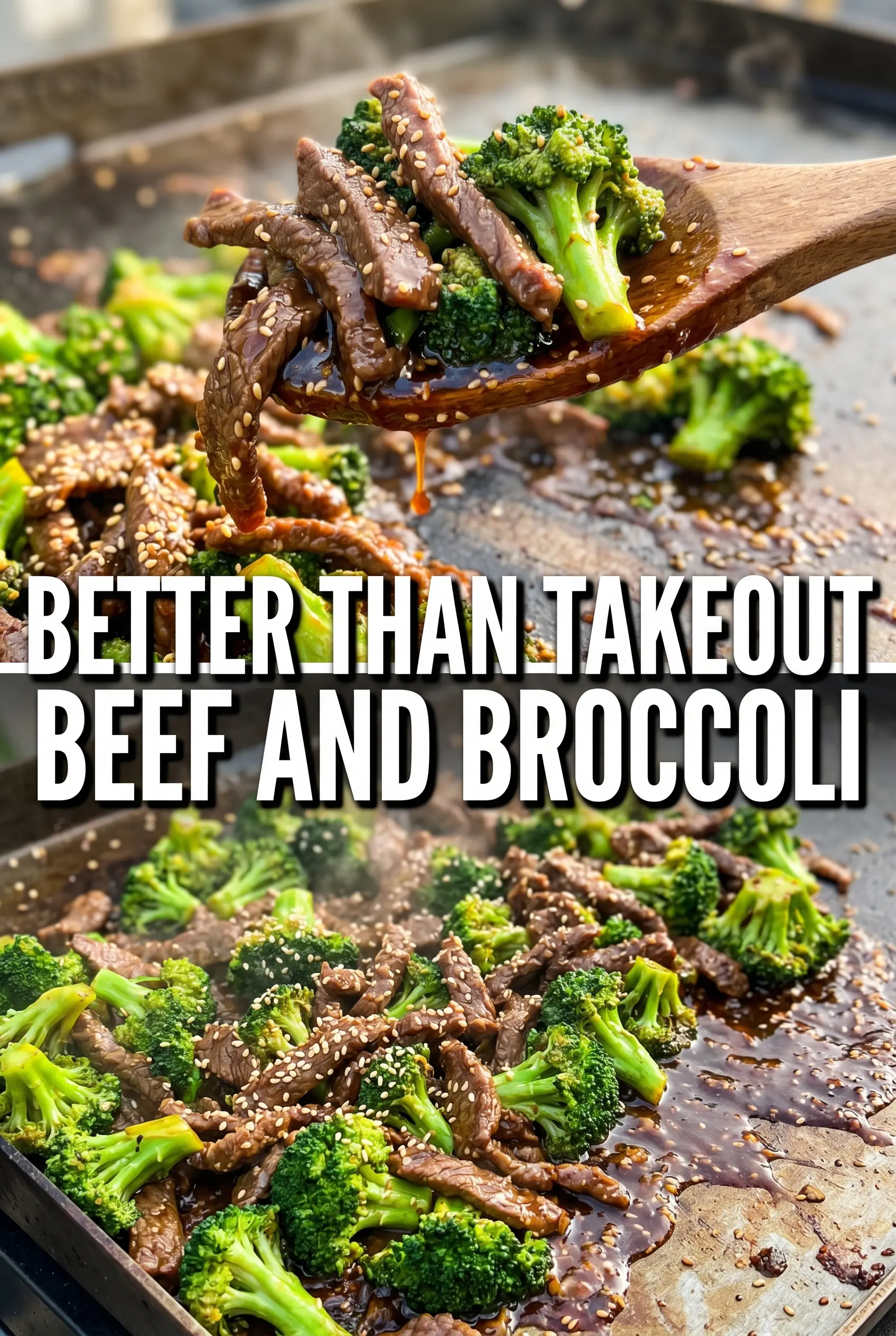
Blackstone Beef and Broccoli
Ingredients
Equipment
Method
- Combine 2 tablespoons soy sauce, 1 tablespoon brown sugar, and cornstarch, then coat the flank steak strips in the mixture. Marinate for 30 minutes so the beef turns glossy and clings to sauce as it cooks.
- Heat the Blackstone griddle to high heat and add 2 tablespoons oil. Wait until the oil shimmers before adding the beef.
- Cook the beef in batches for 2-3 minutes per side until deeply seared, then transfer to a plate. Keep batches from crowding so the strips brown instead of steam.
- Add the remaining oil and cook the broccoli for 4-5 minutes until tender-crisp. Stir occasionally so the florets stay vibrant green.
- Add garlic and ginger and cook for 30 seconds, stirring constantly. The aroma should bloom quickly without burning.
- Add the remaining soy sauce, oyster sauce, brown sugar, and beef broth to the griddle, then stir to combine. Bring it to a steady simmer so the sauce starts to thicken.
- Return the beef to the griddle and toss everything together in the glossy brown sauce for 2 minutes. Cook until the sauce coats the beef and broccoli evenly.
- Garnish with sesame seeds right before serving. Serve hot with rice while the sauce is glistening.