
Melted brie, jammy blackberries, and a sharp sweep of balsamic glaze turn a simple grilled cheese into something with real contrast: crisp bread, creamy cheese, sweet fruit, and just enough tang to keep each bite from feeling heavy. The best part is that nothing here is fussy. You’re still working with a hot skillet and a sandwich you can eat with your hands, but the filling tastes like it came from a cafe lunch board.
The trick is balance. Brie melts fast and goes from silky to messy in a good way, but blackberries need to stay intact long enough to give you those little bursts of juice. I like to use a restrained hand with the glaze inside the sandwich, then finish with a second drizzle after the bread comes off the pan. That keeps the outside crisp instead of turning the whole thing sticky before it even hits the plate.
Below you’ll find the small details that make this sandwich work: how to keep the bread deeply golden without burning the brie, why sourdough holds up better than soft sandwich bread, and the easiest way to adjust the filling if you want more tang, more richness, or a little peppery bite from arugula.
The brie melted into the blackberries instead of running everywhere, and the balsamic glaze gave it this sweet-tart finish that made the whole sandwich feel balanced. I also loved that the bread stayed crisp right up to the last bite.
Save this blackberry balsamic & brie grilled cheese for the kind of lunch that needs crisp bread, gooey cheese, and a sweet-tart finish.
The reason the bread has to be sturdy here
Brie and blackberries are both soft, which means the bread has to carry the structure instead of collapsing under the filling. Sourdough is the right choice because it browns well and stays intact when the cheese starts to melt. A thin, soft bread can work in a pinch, but it tends to steam before it crisps, and then the sandwich loses that clean crunch on the outside.
The other common mistake is overloading the filling. Blackberries release juice as they warm, and balsamic glaze is sticky by nature, so too much of either one can turn the center slippery before the bread finishes toasting. Keep the layer loose and even. You want pockets of fruit, not a jam layer.
What each ingredient is actually doing here
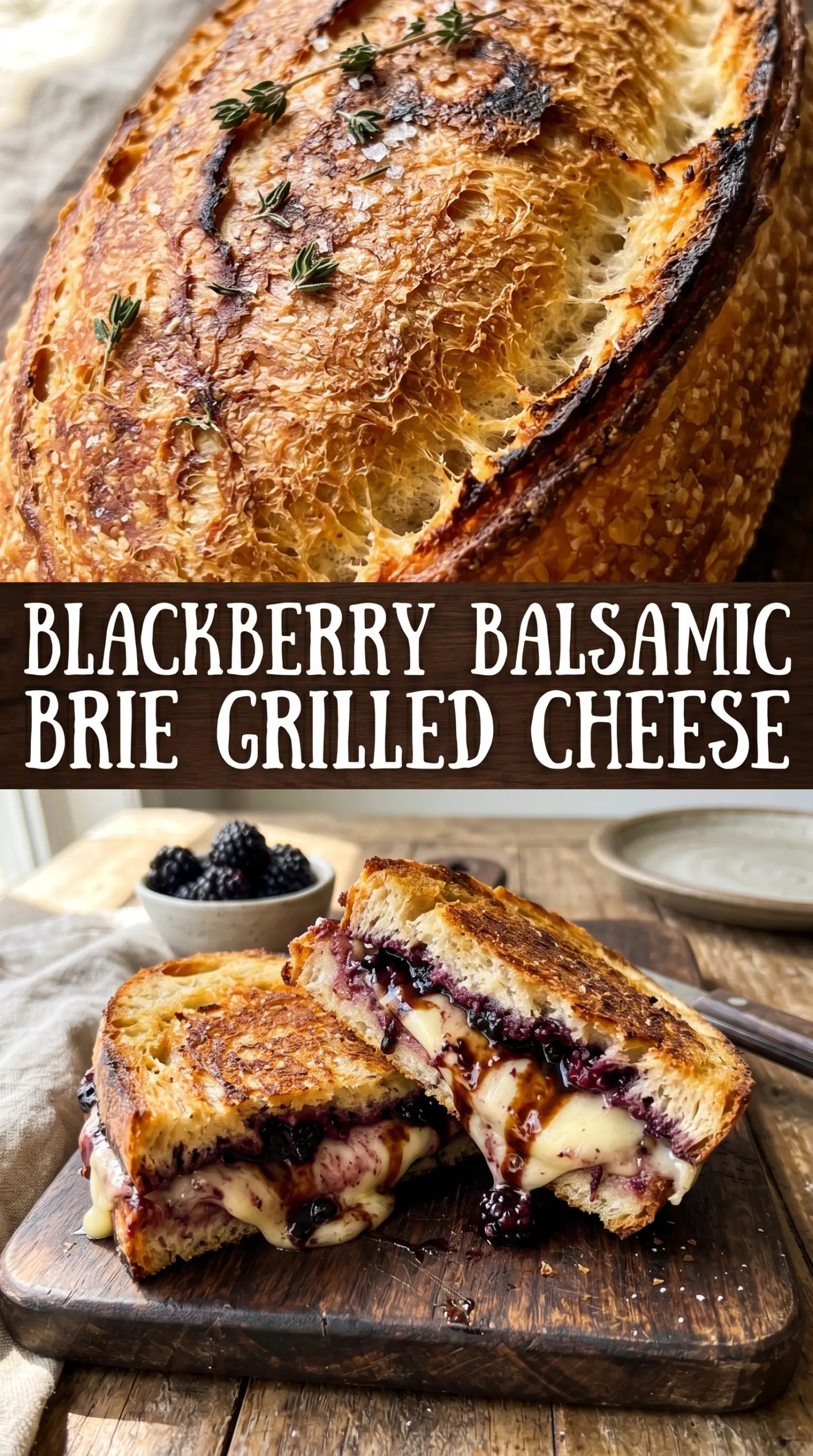
- Sourdough bread — The tangy, sturdy crumb stands up to brie and fruit without turning soggy. If you swap it, use another hearty bread with a tight crumb and enough surface area to brown properly.
- Brie cheese — This is the creamy center of the sandwich, and it melts into a lush layer that soft cheeses can’t quite match. Leave the rind on if you like a little structure; it melts fine and adds a mild earthy note.
- Fresh blackberries — Fresh berries give you bursts of juice and a little tartness. Frozen berries are too wet here unless you thaw, drain, and dry them first, and even then they’ll be softer and messier.
- Balsamic glaze — Glaze gives you concentrated sweetness and acidity without flooding the bread like regular balsamic would. If you only have vinegar, simmer it down first until it coats a spoon.
- Butter — Softened butter spreads evenly, which matters more than people think. Uneven patches brown too fast and leave pale spots on the bread.
- Arugula — Optional, but worth using if you want a peppery bite that keeps the sandwich from leaning too sweet. Add it sparingly so it wilts without becoming the whole story.
- Honey — The finish is small but important. A light drizzle after cooking ties the fruit and cheese together and gives the sandwich a glossy, restaurant-style finish.
How to get the cheese melted before the bread burns
Building the sandwich layer
Butter the bread first so it’s ready to hit the pan immediately. Put the brie on the bottom slices, then scatter the blackberries over it and drizzle with just enough balsamic glaze to season the filling. Too much glaze here turns the sandwich runny, and the fruit will slide once the cheese starts softening. If you’re using arugula, tuck it in on top of the berries so it wilts from the heat without getting crushed.
Cooking over steady medium heat
Set the skillet over medium heat and give it a minute to warm before the sandwiches go in. If the pan is too hot, the bread will darken before the brie has a chance to melt through the middle. Cook each side until it’s deep golden and the cheese is visibly soft at the edges. Press gently with a spatula as it cooks, but don’t smash it flat or the filling will squeeze out the sides.
Finishing for the best first bite
Take the sandwiches off the heat the moment the bread is crisp and the cheese is melted, then let them sit for about a minute before slicing. That short rest helps the brie settle so the filling doesn’t rush out the second you cut into it. Drizzle with honey and a little extra balsamic glaze after slicing, not before, so the crust stays crisp and the topping stays bright.
How to adapt the sandwich without losing the contrast
Make it more savory with extra arugula
Add a larger handful of arugula and keep the honey drizzle light. The peppery greens pull the sandwich toward lunch-board territory and keep the fruit from reading like dessert.
Go dairy-free with a melt-friendly alternative
Use a dairy-free cheese that softens well rather than a firm block-style substitute. You’ll lose the exact buttery richness of brie, so lean harder on the balsamic and honey for balance.
Swap the fruit when blackberries aren’t at their best
Raspberries work well for a brighter, slightly tarter sandwich, and thinly sliced strawberries can work if you keep the layer modest. Softer fruit will make the filling juicier, so hold back on the glaze a little.
Use gluten-free bread without losing the crisp crust
Choose a gluten-free loaf that’s sturdy enough for grilled sandwiches and toast it a touch more slowly over medium-low heat. Many gluten-free breads brown fast on the outside before the center warms, so lower heat helps the sandwich cook evenly.
Storage and Reheating
- Refrigerator: Store leftovers for up to 1 day. The bread softens as it sits, and the berries release more juice, so this sandwich is best fresh.
- Freezer: I don’t recommend freezing it. Brie and fresh berries change texture badly after thawing, and the sandwich loses the contrast that makes it good.
- Reheating: Rewarm in a skillet over low heat so the outside crisps again before the cheese fully softens. Avoid the microwave; it makes the bread limp and turns the filling unevenly hot.
Answers to the questions worth asking
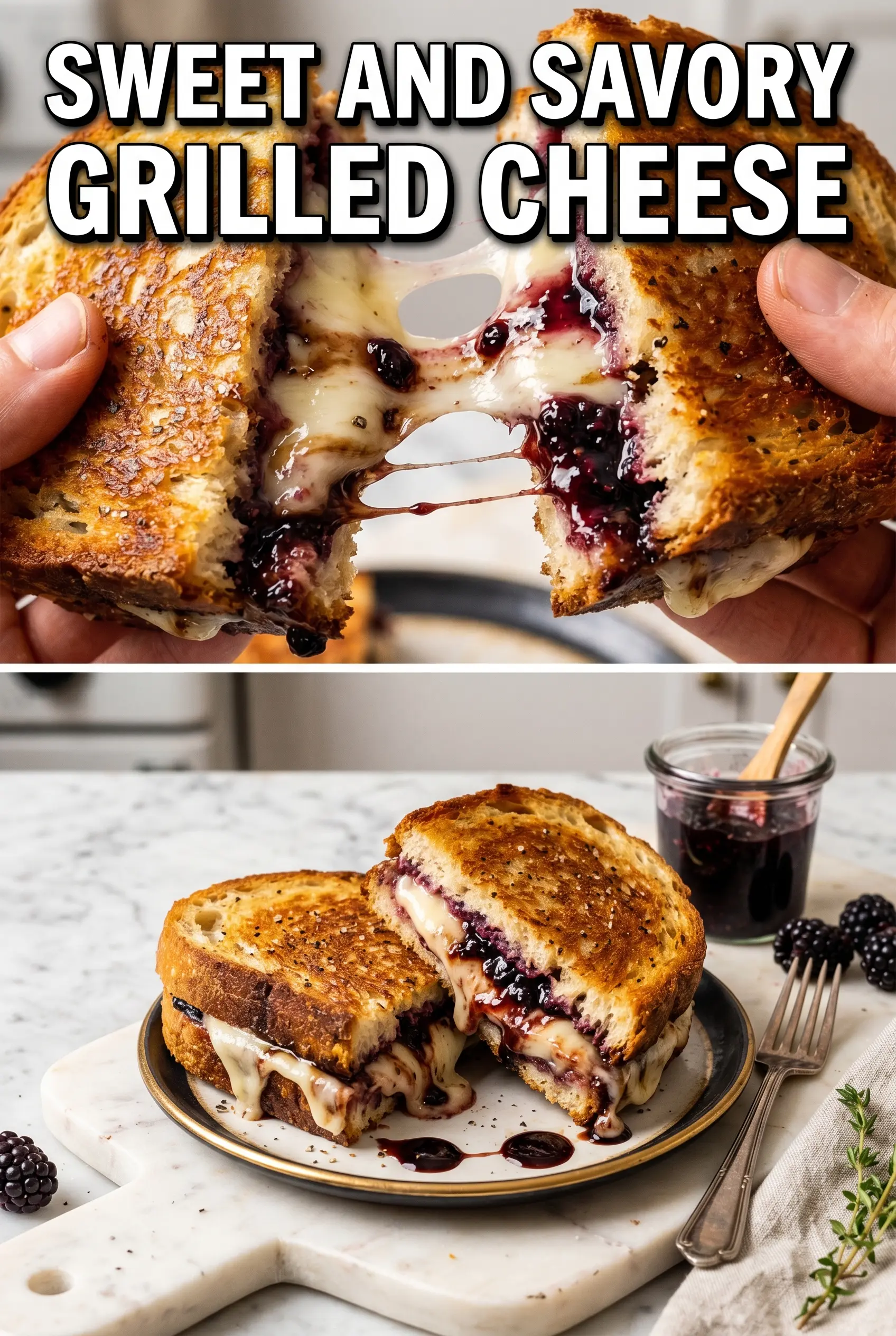
Blackberry Balsamic & Brie Grilled Cheese
Ingredients
Equipment
Method
- Butter one side of each sourdough bread slice generously.
- Place two slices butter-side down and layer with brie cheese, fresh blackberries, and a drizzle of balsamic glaze.
- Add fresh arugula if desired, then top with the remaining sourdough bread slices, butter-side up.
- Heat a cast iron skillet over medium heat.
- Cook the sandwiches for 4-5 minutes per side until golden brown and the cheese is melted.
- Press gently with a spatula while cooking to help the cheese melt evenly.
- Remove from heat, drizzle with honey and additional balsamic glaze, then slice and serve immediately.