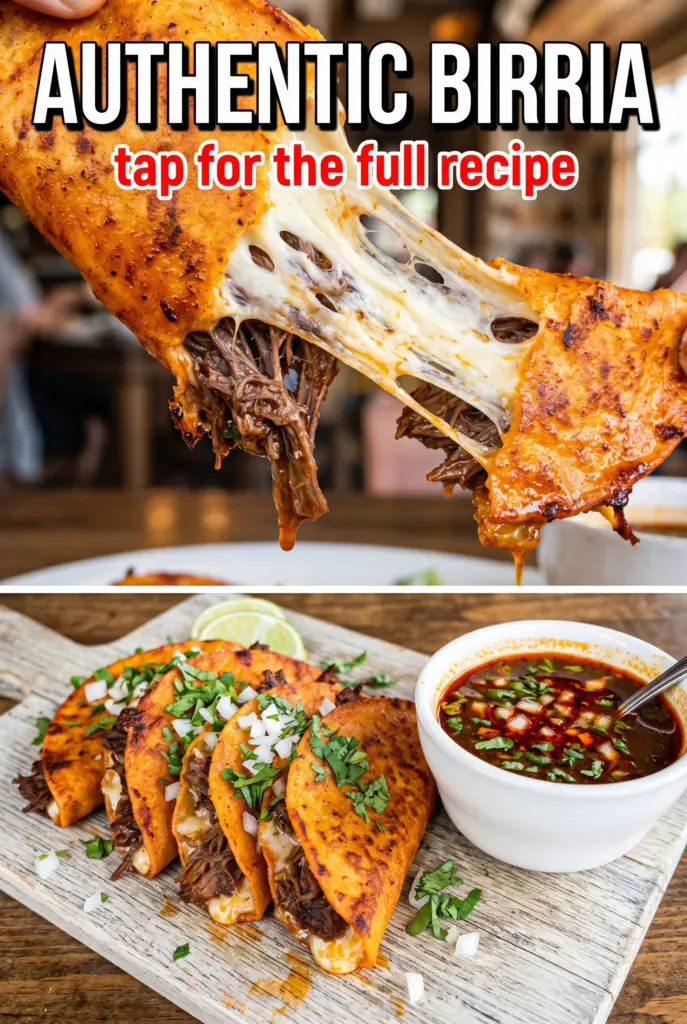
Deep red consomé, tender shredded beef, and chiles that taste warm instead of harsh are what make birria worth the stove time. The broth ends up rich enough to sip from a bowl and sturdy enough to coat tortillas without going greasy or thin. When the beef is done right, it falls apart in soft strands that hold onto the chile sauce instead of disappearing into it.
The difference here comes from building the flavor in layers. Toasting the dried chiles wakes up their oils before they ever hit the blender, and straining the sauce keeps the final broth smooth instead of gritty. The cinnamon and bay leaf add depth without making the pot taste like dessert, while the vinegar sharpens the whole thing just enough to keep the richness in balance.
Below, you’ll find the one step that keeps the sauce clean and velvety, plus a few practical ways to serve it depending on whether you want tacos or a hearty stew. If you’ve ever had birria turn muddy, flat, or one-note, the details here will help fix that.
The sauce was silky after straining, and the beef simmered until it shredded without any stringiness. I used the consomé for tacos one night and bowls of stew the next, and both were incredible.
Save this birria recipe for the days when you want rich consomé, tender beef, and tacos that taste like they took all afternoon.
The Step That Keeps Birria Broth Smooth Instead of Grainy
The biggest mistake with birria is rushing the chile base. If the dried chiles aren’t toasted first, they can taste flat and papery instead of deep and smoky. If the blended sauce isn’t strained, the final broth picks up bits of chile skin and garlic that make it feel muddy instead of clean and rich.
That first strain does more than improve texture. It gives you a consomé that looks glossy in the bowl and clings to the meat instead of sitting behind a layer of grit. The low simmer matters just as much. A hard boil will break down the beef in a rough, dry way and can make the broth cloudy before the flavors have a chance to settle together.
What Each Ingredient Is Doing in the Pot
- Guajillo chiles — These bring the deep red color and a mild, fruity heat. They’re the backbone of the sauce, and there isn’t a true stand-in that gives the same balance of color and flavor.
- Ancho chiles — Ancho adds sweetness, raisin-like depth, and a little smoke. If you can’t find them, mulato chiles are the closest swap, though the broth will taste a touch darker and less bright.
- Chipotle chiles — These add a smoky edge that keeps the birria from tasting too soft. Use only two unless you want the heat to move to the front.
- Beef chuck roast — Chuck is the right cut because it has enough connective tissue to turn silky after a long simmer. Leaner beef turns dry before the broth is fully flavored.
- Apple cider vinegar — This sharpens the chiles and keeps the consomé from tasting heavy. Fresh lime at the end won’t replace what the vinegar does during blending.
- Cinnamon stick — Use a stick, not ground cinnamon, or the broth can turn dusty and overly sweet. The stick gives warmth without clouding the sauce.
Building the Chile Base and Letting the Beef Finish the Work
Toasting and Soaking the Chiles
Set the chiles in a dry skillet for about 2 minutes, just until they smell fragrant and loosen a little at the edges. If they darken too much, they go bitter fast, and that bitterness will show up in the broth. Soak them in hot water until softened, then drain well before blending so the sauce doesn’t become watery. A thick chile paste blends smoother and clings better to the meat.
Blending and Straining the Sauce
Blend the softened chiles with the onion, garlic, cumin, oregano, and vinegar until the mixture looks completely smooth. Add a splash of the soaking liquid only if the blender needs help moving; too much and you’ll thin the sauce before it ever hits the pot. Push the blended sauce through a fine mesh sieve. This is the difference between a polished consomé and one that feels rough on the tongue.
Cooking the Sauce Before the Broth Goes In
Heat the olive oil and cook the strained chile sauce for 5 minutes before adding the broth. You’re looking for the sauce to darken slightly and smell rounder, not raw. This short step takes the edge off the chiles and helps the tomato paste blend into the base instead of floating as a separate note. If the pan starts spitting hard, lower the heat; the sauce should gently fry, not scorch.
Simmering Until the Beef Shreds
Once the broth, tomato paste, bay leaves, cinnamon, and beef are in the pot, bring everything to a boil, then drop it to a low simmer. The surface should barely move, with only an occasional bubble breaking through. After 90 to 120 minutes, the beef should pull apart with a spoon and the broth should taste concentrated, not watery. Salt it near the end so you can judge the final balance after the meat has released its own richness.
Make It Spicier Without Losing the Broth
Add one extra chipotle chile or leave a few seeds in the blend. That pushes the heat up without changing the body of the sauce. Don’t add hot sauce at the end; it sharpens the broth in a way that tastes separate from the chiles.
Dairy-Free and Naturally Gluten-Free Serving Options
The birria itself is dairy-free and gluten-free as written. Serve it with corn tortillas for tacos, or keep it in bowls as stew with onion, cilantro, and lime. The key is to skip flour tortillas and any creamy toppings if you want to keep the dish fully gluten-free and dairy-free.
Use Short Ribs for a Richer, Silkier Consomé
Short ribs add more fat and a slightly more luxurious broth. The flavor is excellent, but the dish gets richer and a little less lean, so skim the surface if needed after simmering. This swap is best when you want a more decadent stew-style birria.
Make It Ahead for Tacos the Next Day
Birria tastes even better after a night in the fridge because the spices settle into the broth. Reheat it gently, then shred the meat and use the consomé for dipping tortillas. If the broth thickens after chilling, loosen it with a splash of broth or water before serving.
Storage and Reheating
- Refrigerator: Store the meat and consomé together in an airtight container for up to 4 days. The broth may gel as it chills, which is normal from the beef collagen.
- Freezer: Freezes well for up to 3 months. Cool completely first, then portion into freezer-safe containers so the broth and meat thaw evenly.
- Reheating: Warm it slowly on the stove over medium-low heat until steaming. Don’t rush it over high heat or the beef can dry out and the broth can separate at the edges.
Questions I Get Asked About This Recipe
Authentic Birria Recipe for Tacos or Stew
Ingredients
Equipment
Method
- Toast the dried guajillo, ancho, and chipotle chiles in a dry cast iron skillet over medium heat until fragrant, about 2 minutes, stirring as they darken slightly.
- Soak the toasted chiles in hot water for 10 minutes until softened, then drain them thoroughly.
- Blend the rehydrated chiles with the halved onion, crushed garlic, cumin, oregano, and apple cider vinegar until smooth.
- Strain the blended sauce through a fine mesh sieve into a bowl, pressing to extract as much liquid as possible.
- Heat olive oil in a large Dutch oven over medium heat until shimmering.
- Cook the strained chile sauce in the oil for 5 minutes, stirring so it darkens slightly and smells aromatic.
- Add beef broth, tomato paste, bay leaves, and cinnamon stick, then bring the mixture to a boil.
- Add the beef chuck roast chunks and return to a boil, making sure the liquid covers most of the meat.
- Reduce heat to low and simmer uncovered for 90-120 minutes until beef is fall-apart tender, checking occasionally so the broth stays gently bubbling.
- Season with salt and pepper to taste near the end of cooking, then keep warm while you prep serving options.
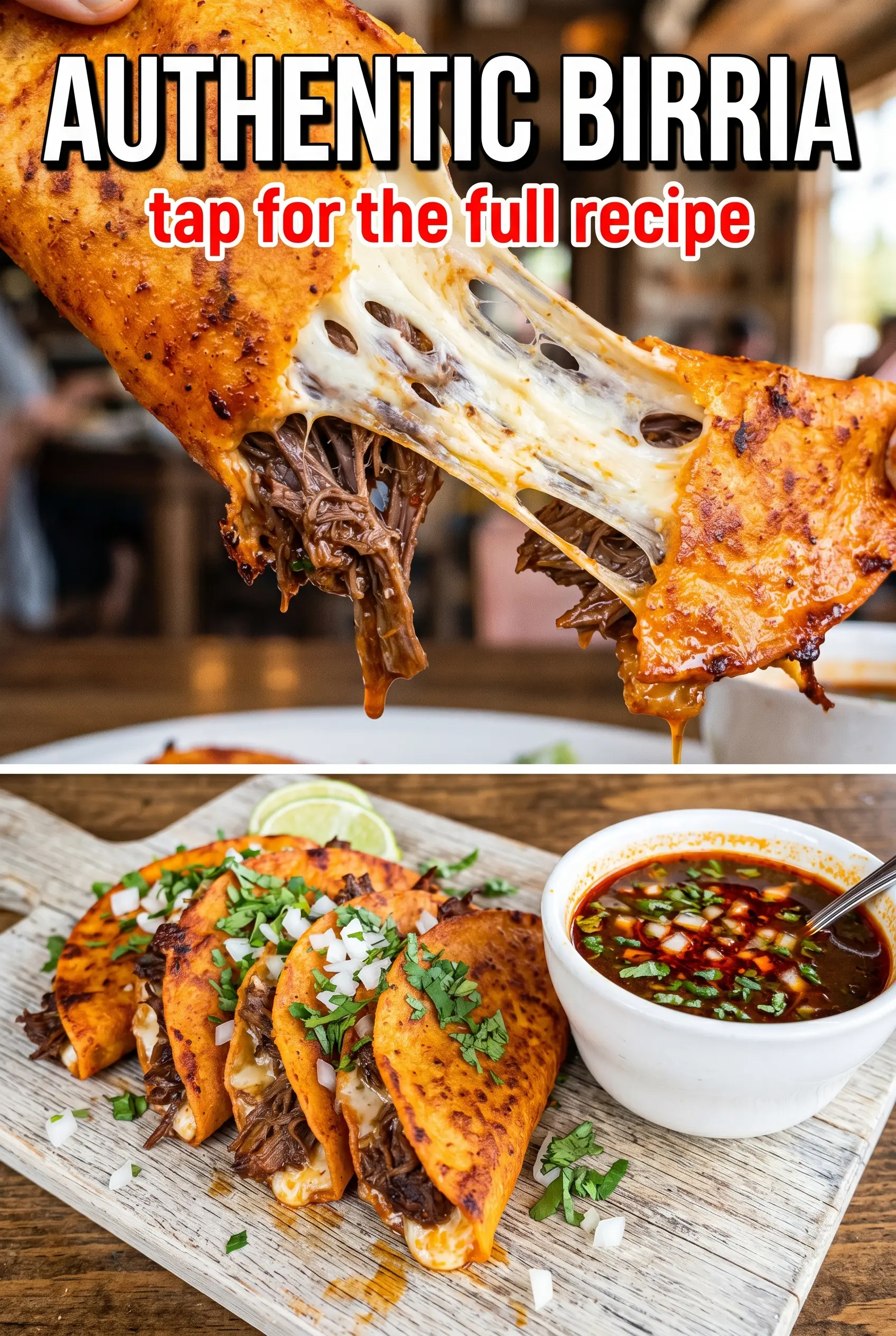
- For tacos, shred the tender meat, dip corn tortillas in the consomé, and fill them with meat.
- Top the tacos with diced onion and cilantro, then serve immediately with lime wedges if desired.
- For stew, ladle meat and consomé into bowls and serve with lime wedges for squeezing over the top.