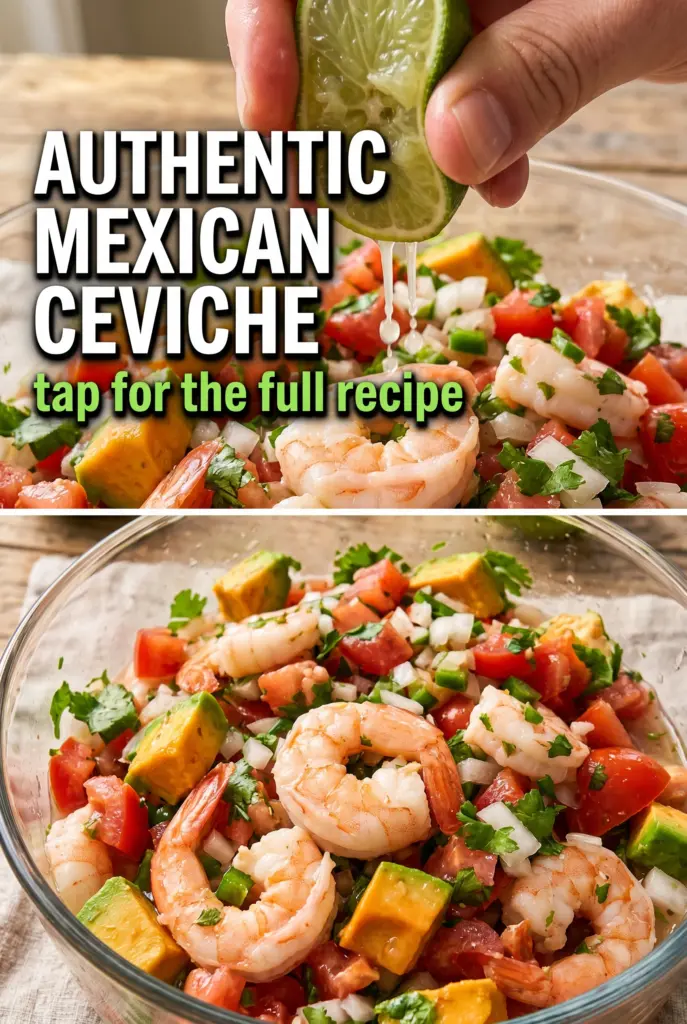
Cold, bright ceviche hits the table with the kind of clean snap that makes people go quiet for a second. The fish turns opaque and tender in citrus, but the best versions still taste fresh, never mushy or over-marinated. This one earns its place because the orange juice softens the lime just enough to round out the sharpness without dulling the dish.
The trick is giving the fish enough citrus to cure evenly while keeping the marinade short and controlled. Use a non-reactive bowl, cut the fish into even pieces, and keep it cold while it sits. The onion, jalapeño, cilantro, and tomato go in after the fish firms up, so they stay crisp and bright instead of fading into the liquid. Avocado goes in last so it holds its shape.
Below you’ll find the timing that keeps the fish tender, the ingredient swaps that still taste right, and the one serving detail that makes ceviche feel special instead of casual. A chilled bowl helps more than most people think.
The fish firmed up perfectly in the lime and orange, and the red onion stayed crisp instead of turning sharp and soggy. We ate it with tostadas and the whole bowl disappeared fast.
Save this Mexican ceviche for the kind of appetizer that stays bright, crisp, and citrus-cured from the first bite to the last.
The Part That Keeps Ceviche Tender Instead of Chalky
The biggest mistake with ceviche is treating citrus like a stopwatch. Lime doesn’t just add flavor here; it changes the fish, and once that change goes too far, the texture gets dry and tight at the edges. Thirty minutes is the sweet spot for most firm white fish cut into small, even pieces. If the chunks are large or uneven, the outside will over-cure before the center is ready.
Orange juice matters more than people think. All lime gives you a sharp, linear finish, which can taste harsh with raw onion and jalapeño. A little orange juice rounds the acidity and keeps the final bowl tasting fresh instead of aggressive. The fish should look opaque and slightly springy, not flaky or rigid.
What Each Ingredient Is Actually Doing in This Bowl
- Fresh white fish — Sea bass, snapper, or halibut all work because they cure cleanly and stay delicate. Use the freshest fish you can get from a trustworthy fish counter, and ask for sashimi-grade if that’s available. Frozen-and-thawed fish can work, but it needs to be fully thawed and patted dry before it goes into the citrus.
- Lime juice — This is the curing agent and the main flavor. Bottled juice tastes flat and harsh here, so fresh limes matter. You need enough to fully submerge the fish so the cure is even from edge to edge.
- Orange juice — This softens the acid and keeps the ceviche from tasting one-note. Fresh orange juice gives the best balance, but strained store-bought juice is fine if it’s 100% juice and not overly sweet.
- Red onion — Thin slices give the best crunch and bite. If the onion tastes too sharp, soak it in cold water for 10 minutes, then drain well before adding it. That keeps the onion present without overpowering the fish.
- Jalapeños — Mince them finely so the heat spreads through the bowl instead of landing in random bursts. Remove the seeds if you want a cleaner, gentler heat.
- Avocado — Add it after the fish has cured and right before serving. It gives the ceviche a creamy contrast, but if it sits in the acid too long it softens and turns dull.
Building the Cure So the Fish Cooks Evenly
Start with a cold, non-reactive bowl
Use glass, ceramic, or stainless steel. Citrus can react with aluminum or other uncoated metals and leave a strange taste behind. Chill the bowl first if you can; a cold bowl helps keep the fish firm while the acid works.
Cover the fish completely with citrus
Pour the lime and orange juice over the diced fish until every piece is submerged. If any pieces sit above the liquid, they cure unevenly and stay translucent in spots. Stir once or twice during the rest so the top layer doesn’t dry out while the bottom layer marinates.
Add the fresh ingredients after the cure
Once the fish turns opaque, drain off only excess liquid if the bowl looks soupy, then fold in the onion, jalapeño, cilantro, tomato, and avocado. If you add them too early, the onion softens and the herbs lose their fresh edge. Toss gently so the fish holds its shape instead of breaking into shreds.
Season at the very end
Salt changes the way ceviche tastes fast, so season after the fish has cured and the vegetables are mixed in. Taste before adding more lime; the acidity should be bright, not sharp. Serve right away in chilled bowls or glasses so the texture stays clean and crisp.
How to Adapt This Ceviche Without Losing the Fresh Bite
Swap the fish based on what looks best at the market
Sea bass gives the most delicate texture, snapper gives you a little more structure, and halibut stays meaty and clean. Any of them work as long as the flesh is very fresh and cut into even cubes. Avoid oily fish here; they don’t take on the citrus cure the same way and can taste heavy.
Make it dairy-free and gluten-free without changing a thing
The ceviche itself is naturally both. Just serve it with tostadas or tortilla chips that fit your diet, and check the label if you’re buying packaged tostadas. The flavor and texture stay exactly the same.
Dial down the heat without flattening the flavor
Use one jalapeño instead of two, and remove the seeds and membranes. You’ll still get that fresh green pepper flavor, but the heat will sit in the background instead of taking over the bowl. If you want almost no heat, use a mild green chile for color and skip the jalapeño entirely.
Storage and Reheating
- Refrigerator: Best eaten the day it’s made. It will keep for about 1 day, but the fish firms up and the avocado softens as it sits.
- Freezer: Don’t freeze ceviche. The fish texture breaks down and the vegetables turn watery once thawed.
- Reheating: Ceviche isn’t reheated. Keep it cold and serve it straight from the refrigerator; if it sits out too long, the fish loses its clean texture.
Answers to the Questions Worth Asking
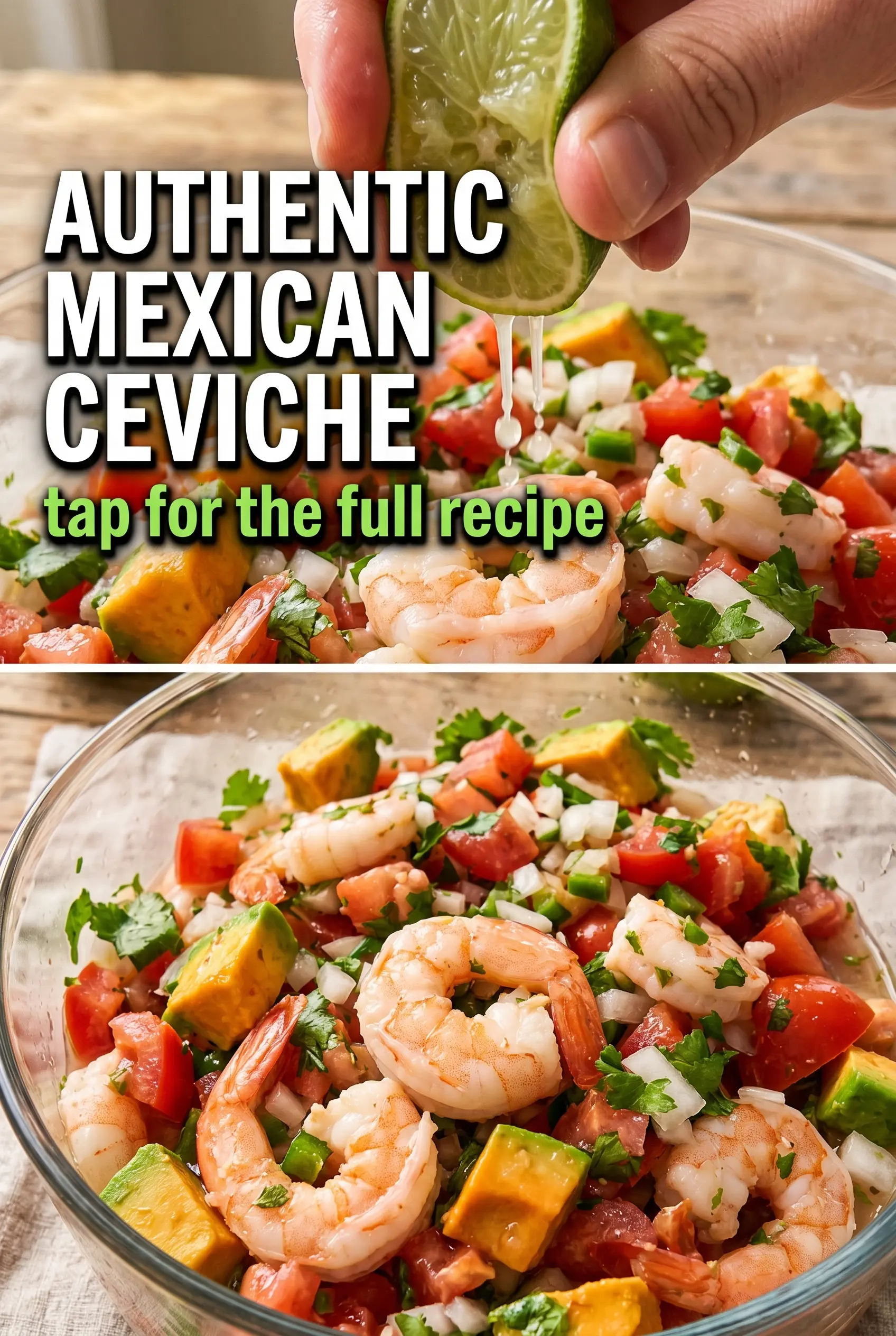
Authentic Mexican Ceviche
Ingredients
Equipment
Method
- Place the diced fresh white fish in a non-reactive bowl. Pour the fresh lime juice and fresh orange juice over the fish, ensuring it is fully submerged.
- Cover and refrigerate the bowl for 30 minutes, stirring occasionally. Stop when the fish is opaque throughout and no longer translucent from the citric acid curing.
- Add the thinly sliced red onion, minced jalapeños, chopped fresh cilantro, diced tomato, and diced avocado to the cured fish. Season with salt and black pepper, then gently toss to combine.
- Taste and adjust with more lime juice if needed for balance. Serve immediately in chilled bowls or small glasses with tostadas or tortilla chips on the side.