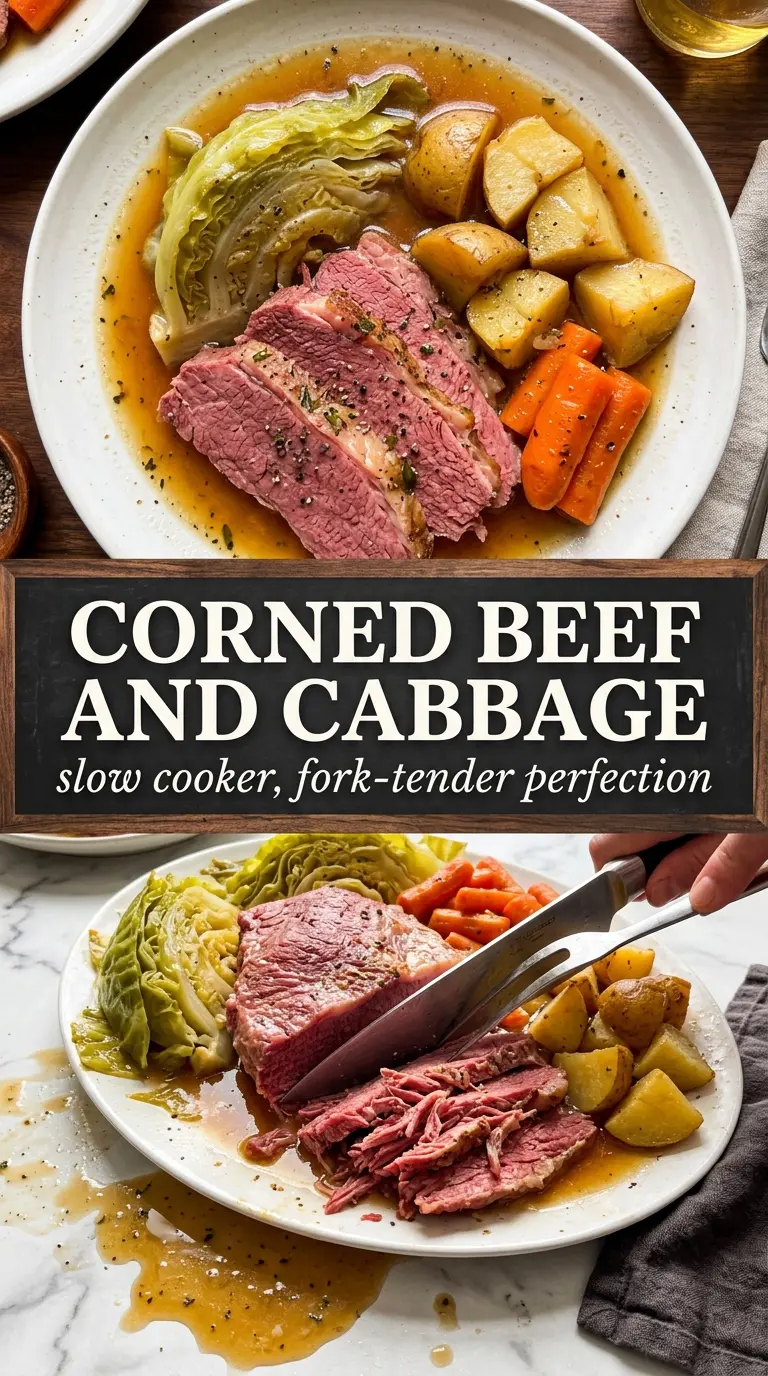
Slow cooker corned beef and cabbage turns a tough brisket into slices that hold together at the fork but still give way easily when you bite in. The cabbage goes soft at the edges without collapsing, the potatoes soak up the seasoned broth, and the carrots come out sweet enough to balance the salty beef. It’s the kind of dinner that looks simple on the table and tastes like it took all day, because it did — just not your hands-on time.
The trick here is layering the vegetables under the meat so they braise gently instead of boiling apart. Rinsing the brisket first takes the edge off the cure, and placing it fat-side up lets that fat baste the meat as it cooks. Adding the cabbage near the end matters, too. Put it in too early and it loses its shape before the brisket is even tender.
Below you’ll find the small details that make this work smoothly, from when to add the cabbage to how to slice the beef so it stays tender.
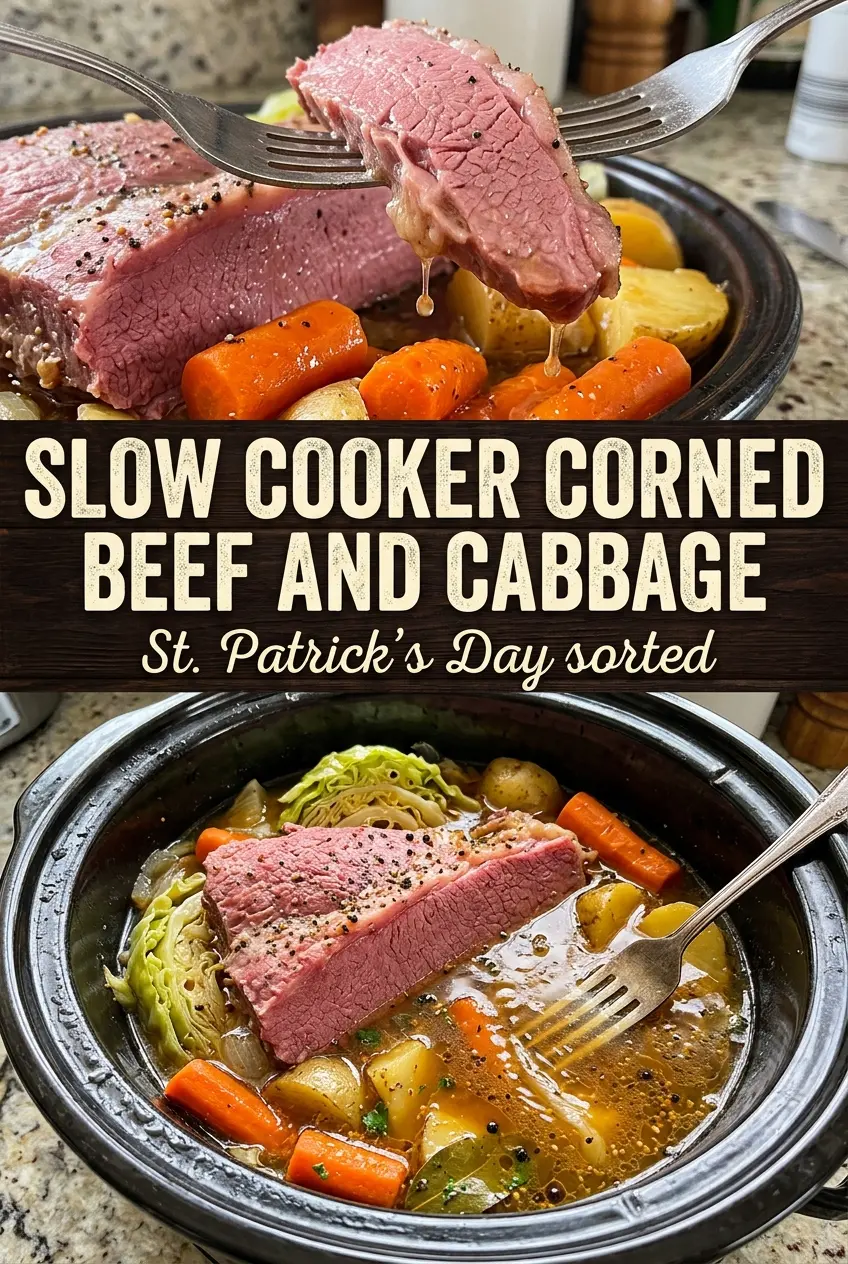
The brisket was fork-tender at 9 hours and the cabbage held its shape instead of turning mushy. I also loved that the potatoes picked up all the broth flavor without falling apart.
Like this slow cooker corned beef and cabbage? Save it for a hands-off dinner with tender brisket, buttery potatoes, and cabbage that stays intact.
The Cabbage Goes in Late for a Reason
Most slow cooker versions fail because everything goes in at once. Cabbage cooks fast. In a long braise, it doesn’t slowly improve — it turns limp, sulfurous, and bland. Waiting until the last 2 hours keeps the wedges tender while preserving a little structure, and that gives the finished dish some contrast instead of one soft, muddy pot.
The other detail that matters is how the brisket sits in the cooker. Fat-side up lets the rendered fat drip down over the meat as it cooks, which helps keep the top from drying out. Don’t trim that fat aggressively. Corned beef needs that insulation in a slow cooker more than it does in a tight roasting pan.
- Rinsed corned beef brisket — A quick rinse under cold water pulls away some of the surface brine so the finished dish tastes seasoned instead of sharply salty. You don’t need to soak it for hours unless your brisket is especially salty.
- Yukon Gold potatoes — These hold their shape better than russets and turn creamy without falling apart. If you use russets, expect a softer, starchier result.
- Apple cider vinegar — This brightens the broth and keeps the whole pot from tasting flat. The amount is small, but it wakes up the beef in a way plain broth can’t.
- Brown sugar — Just a tablespoon smooths out the salt and vinegar and helps the spice packet taste round instead of sharp. It doesn’t make the dish sweet.
What Each Ingredient Is Actually Doing in This Slow Cooker Beef
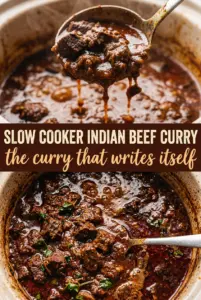
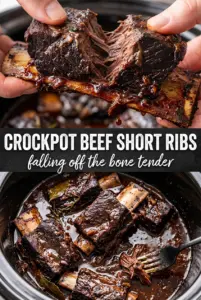
- Beef (chuck roast, short ribs, or ground beef) — Tougher cuts break down beautifully in slow cooking. The connective tissue becomes gelatin, enriching the broth.
- Liquid (beef broth, wine, or sauce) — This becomes both the cooking medium and the final sauce. Choose quality broth for better flavor.
- Onions (the aromatic base) — Slice thick so they stay distinct while melting into the sauce. They become sweet and mellow during cooking.
- Garlic (the depth flavor) — Minced garlic cooks into the broth; sliced stays more distinct. Use generously for deep flavor.
- Vegetables (carrots, potatoes, peppers) — Layer them by cooking time. Hard vegetables first, softer ones later so everything finishes together.
- Seasonings (salt, pepper, Worcestershire, spices) — Build flavor as you layer. Taste midway and adjust because flavors concentrate during cooking.
- Tomato paste or sauce (optional richness) — This adds body and depth. Cook for hours so it becomes part of the sauce rather than a separate element.
- Low heat for 8 hours (the transformation) — Long, slow cooking turns tough cuts into fork-tender meat. This is what makes cheap cuts taste expensive.
Building the Pot So Nothing Turns Watery
Start with the Vegetables
Layer the potatoes, carrots, onion, and garlic in the bottom of the slow cooker first. They act as a rack for the brisket and keep it lifted out of the hottest part of the insert. That prevents the beef from sticking and lets the vegetables braise in the seasoned liquid instead of sitting above it. If you pile the brisket directly onto the bottom, the vegetables underneath can scorch at the edges.
Season the Brisket on Top
Rinse the brisket, pat it dry, and set it fat-side up over the vegetables. Sprinkle the spice packet and brown sugar over the meat before cooking so the seasoning has time to sink in as the broth heats. Pour the broth and vinegar around the sides, not directly over the spice layer, so you don’t wash all that seasoning off the surface. The liquid should come partway up the meat, not cover it completely.
Finish with the Cabbage
Add the cabbage wedges during the last 2 hours and press them gently into the liquid. They should soften and absorb flavor, but the core should still have a little bite. If your cabbage is cut too small, it can disappear before the beef is done. Leave the wedges large enough to hold their shape on the plate.
Rest Before Slicing
Pull the brisket out and let it rest for 10 minutes before slicing. That short pause keeps the juices from running straight onto the board. Slice against the grain with a sharp knife, and don’t rush this part — long, clean slices give you tender corned beef instead of shreds. Serve it with the vegetables and a spoonful of whole grain mustard.
How to Change the Pot Without Losing the Dinnertime Payoff
Use red potatoes instead of Yukon Golds
Red potatoes hold up almost as well and keep their skins intact, which adds a little more texture to the bowl. They’re a good swap if that’s what you have, but they won’t taste quite as buttery as Yukon Golds.
Make it lower-carb
Skip the potatoes and add more cabbage, plus chunks of turnip or rutabaga if you want something that still braises well. Turnips cook faster and can get soft, while rutabaga stays firmer and tastes a little earthier.
Make it gluten-free
This recipe is naturally gluten-free as long as your broth and spice packet are certified gluten-free. That’s worth checking, since some packaged broths and seasoning mixes sneak in wheat-based additives.
Swap the cabbage for savoy cabbage or a mix of cabbage and leeks
Savoy cabbage turns softer and a little sweeter than green cabbage, so add it in the same way but expect a more delicate texture. Leeks can join the pot late with the cabbage for a milder, sweeter vegetable note.
Storage and Reheating
- Refrigerator: Store leftovers in an airtight container for up to 4 days. The cabbage softens a bit more after chilling, but the flavor deepens.
- Freezer: Freeze the sliced beef and broth separately from the vegetables for the best texture. Cabbage and potatoes can get mushy after thawing, so if you plan to freeze, keep those portions smaller.
- Reheating: Reheat gently in a covered skillet with a splash of broth, or in the microwave at medium power. High heat dries out the beef fast, so warm it just until heated through.
Answers to the Questions Worth Asking
Slow Cooker Corned Beef and Cabbage
Ingredients
Equipment
Method
- Add the quartered onion, quartered Yukon Gold potatoes, and 2-inch carrot pieces to the bottom of the slow cooker in an even layer.
- Add the smashed garlic, then pour in the beef broth and apple cider vinegar, keeping the vegetables submerged where possible.
- Rinse the corned beef brisket under cold water and place it fat-side up on top of the vegetables.
- Sprinkle the spice packet contents and the brown sugar evenly over the brisket surface.
- Cover and cook on low for 8–9 hours, until the brisket is very tender.
- During the last 2 hours of cooking, add the cabbage wedges and press them into the liquid so they soften without floating.
- Remove the brisket from the slow cooker and rest it for 10 minutes.
- Slice the brisket against the grain and serve with the potatoes, carrots, cabbage, and whole grain mustard.