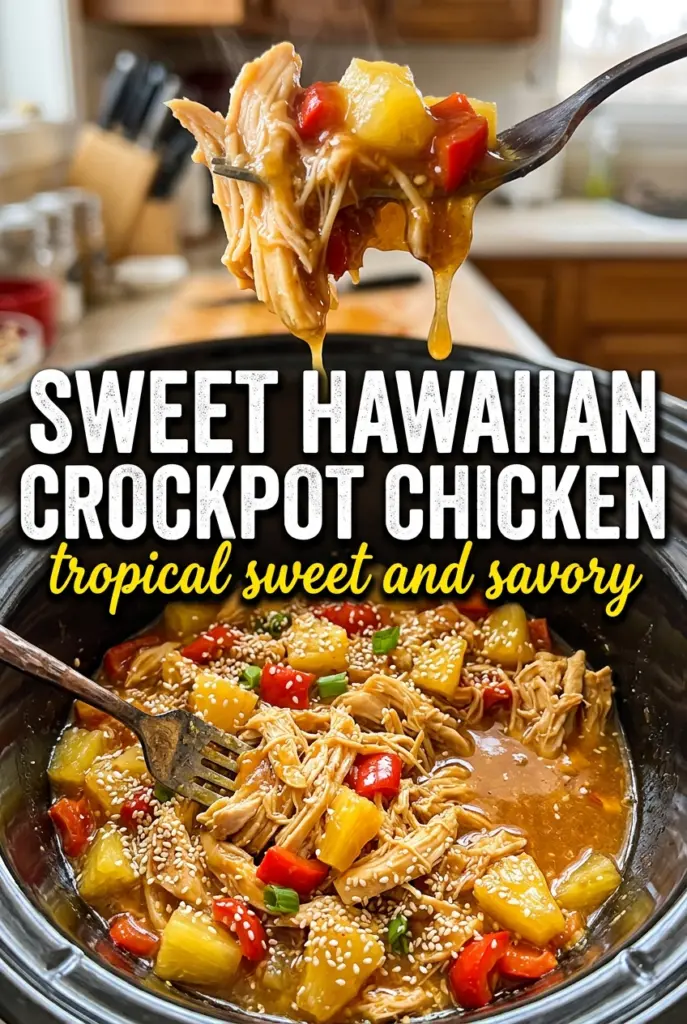
Tender shredded chicken in a glossy pineapple-soy sauce is one of those slow cooker dinners that disappears fast because it hits every note at once: sweet, savory, a little tangy, and easy to spoon over hot rice. The pineapple chunks soften just enough to keep their shape, and the sauce turns sticky and lacquered instead of thin and watery. It feels like takeout comfort food without the extra effort.
What makes this version work is the way the sauce is built. Pineapple juice does more than add sweetness; it brings acid and body, and when it’s paired with soy sauce, garlic, ginger, and a small amount of ketchup, the finished sauce tastes rounded instead of one-dimensional. The cornstarch slurry goes in at the end, after the chicken is shredded, so the sauce thickens cleanly without turning cloudy or dull.
Below, you’ll find the exact point where the chicken is done, why the sauce should be thickened after cooking instead of before, and a few smart swaps for making this fit what you’ve got on hand.
The sauce thickened up perfectly at the end, and the pineapple stayed in little juicy pieces instead of melting away. I served it over jasmine rice and my husband asked if we could put it in the regular dinner rotation.
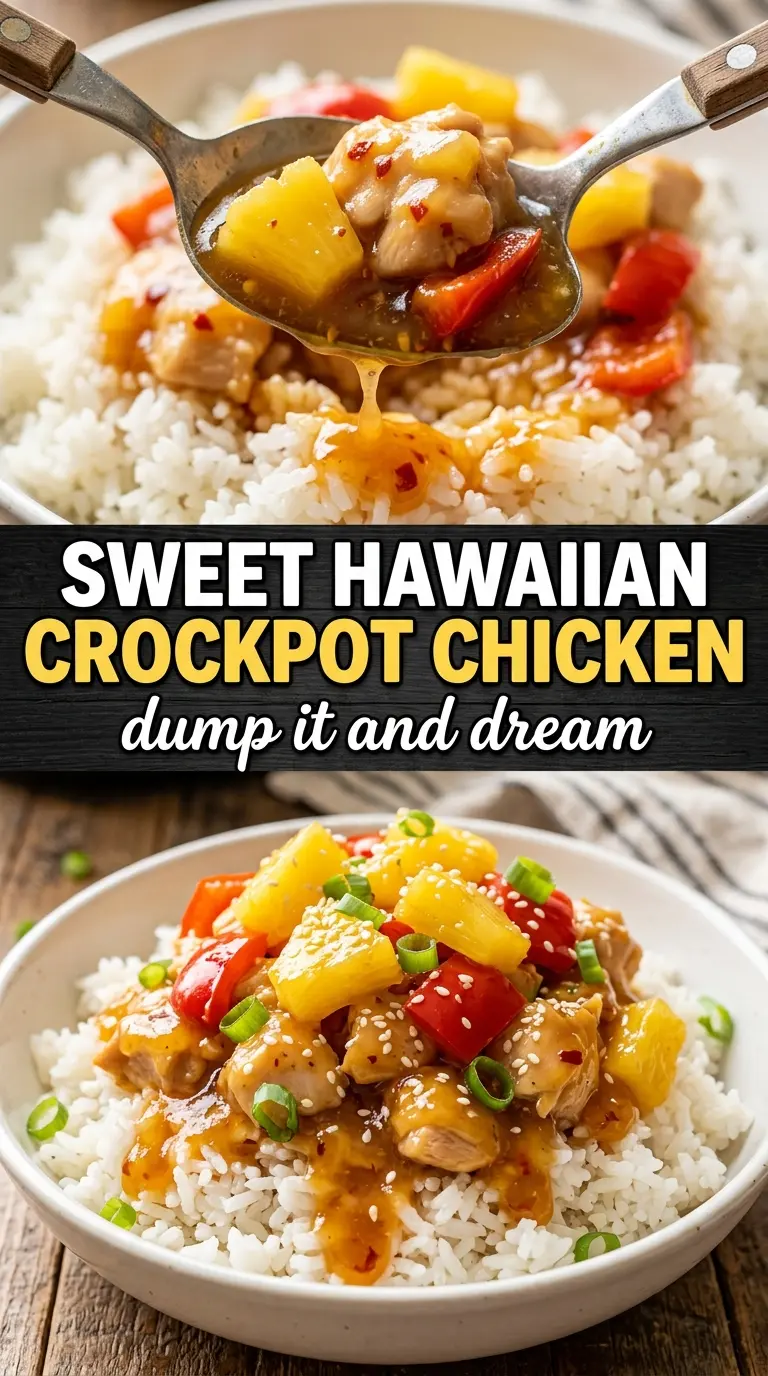
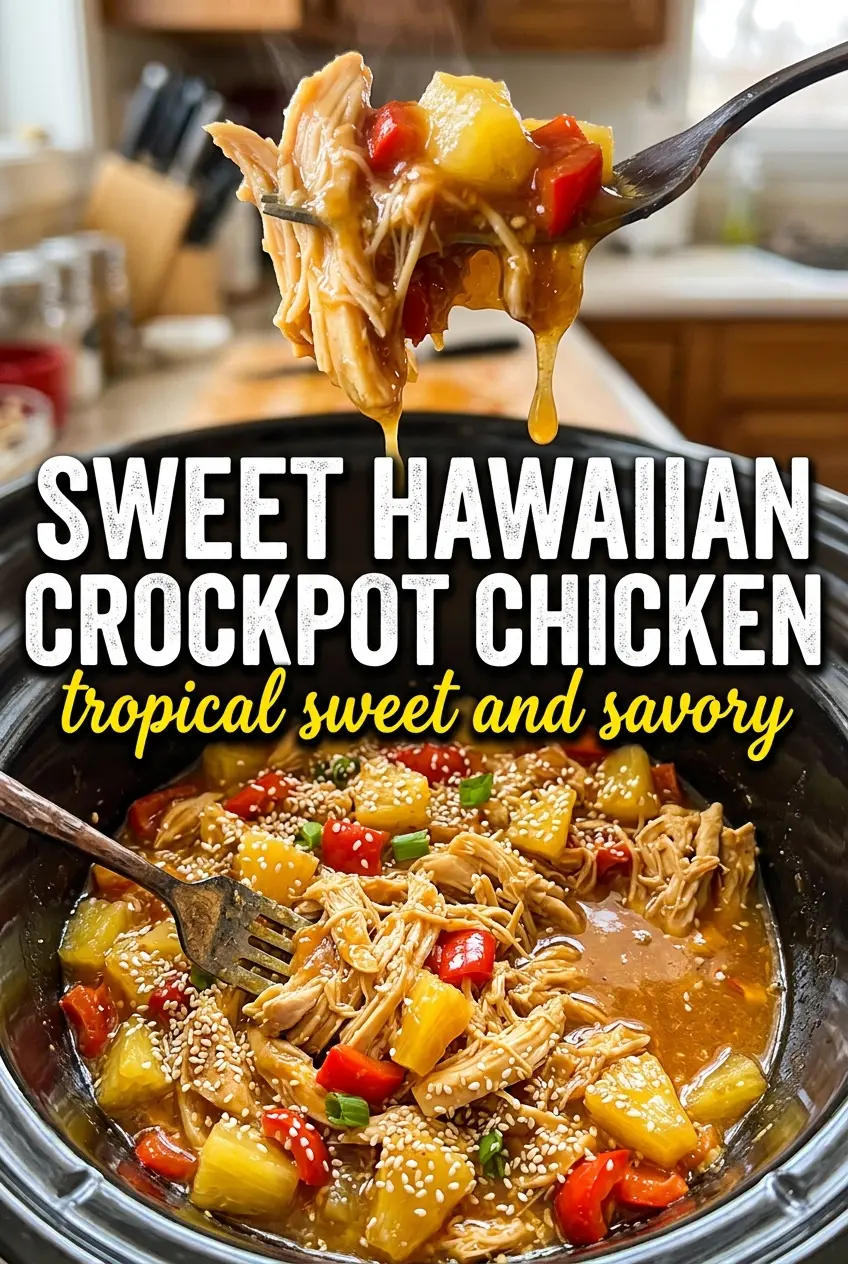
Sweet Hawaiian Crockpot Chicken turns out glossy, saucy, and perfect for rice bowls on busy nights.
Why the Sauce Stays Glossy Instead of Watery
The biggest mistake with pineapple chicken in the slow cooker is expecting the sauce to thicken while everything cooks. It usually won’t. Chicken gives off liquid, pineapple adds juice, and the lid traps steam, so you end up with a flavorful broth unless you finish it properly at the end.
This recipe avoids that by treating thickening as a final step, not part of the slow cook. Once the chicken is shredded, the cornstarch slurry goes straight into the hot sauce and the cooker is turned to high for a short burst. That gives the sauce a clean, shiny texture and keeps the pineapple pieces intact instead of breaking down into mush.
- Pineapple juice — This does the heavy lifting for sweetness and acidity. Use the juice from the can, not drained pineapple, or the sauce will lose the tropical base that makes the dish work.
- Soy sauce — It balances the sweetness and adds the savory backbone. Low-sodium soy sauce is the easiest swap if you’re watching salt; regular soy sauce works too, but the sauce will land saltier and darker.
- Honey and ketchup — Honey gives the glaze its sticky finish, while ketchup adds a little tomato depth and helps round out the sauce. Neither one tastes dominant once everything cooks together, but both matter more than they look on paper.
- Cornstarch slurry — Don’t stir cornstarch straight into the crockpot. Mixing it with cold water first keeps it from clumping, and adding it at the end is what turns the cooking liquid into an actual sauce.
What Each Ingredient Is Actually Doing in This Recipe
- Primary ingredient (the star) — Quality matters most. Choose the best you can find.
- Base ingredient or binder (if applicable) — This provides structure or holds everything together.
- Seasonings (salt, pepper, spices, herbs) — Layer flavors so nothing overpowers. Build depth gradually.
- Cooking medium (oil, butter, or other) — This carries flavors and prevents dryness. Don’t skimp.
- Aromatics (garlic, onion, herbs) — These add depth and complexity. They become part of the dish foundation.
- Supporting ingredients — These complement the main ingredient without overpowering it.
- Acid (lemon, vinegar, wine, or other) — This brightens and prevents flat-tasting results.
- Final finish (garnish, glaze, or sauce) — These prevent one-dimensional taste and add visual appeal.
Building the Sweet-Pineapple Sauce in the Crockpot
Layer the Chicken First
Place the chicken directly in the bottom of the crockpot so it sits under the sauce and cooks evenly. Breasts will shred into a softer, lighter texture, while thighs bring a little more richness and hold up a bit better if the cooking time runs long. Don’t stack the chicken into a tight mound if you can avoid it; a more even layer means less chance of dry edges and uneven cooking.
Whisk the Sauce Before It Goes In
Combine the pineapple juice, soy sauce, honey, ketchup, garlic, and ginger in a bowl until the honey disappears into the liquid. That quick whisk matters because honey can sit in a thick ribbon and never distribute well if you just pour and hope for the best. Add the pineapple chunks after the sauce is mixed so they stay whole and don’t get crushed against the bowl.
Cook Until the Chicken Shreds Without Resistance
Cover and cook on low for 6 hours or high for 3 to 4 hours, but trust the texture more than the clock. The chicken is ready when it pulls apart easily with two forks and no pink spots remain in the center. If you cook it much longer, especially with chicken breasts, the meat can dry out even in a saucy dish.
Thicken After Shredding
Lift the chicken out, shred it, then stir the cornstarch slurry into the sauce in the crockpot. Turn the heat to high and give it 15 to 20 minutes, stirring once or twice, until the liquid turns glossy and coats a spoon. If the sauce still looks thin, give it a few more minutes rather than adding more cornstarch right away; too much will make it pasty instead of silky.
Return the Chicken and Coat Every Piece
Put the shredded chicken back into the thickened sauce and toss it well so every strand gets coated. This is the moment the dish turns from cooked chicken in juice to a proper dinner sauce that clings to rice. Serve it while the sauce is hot and the pineapple chunks are still bright and intact, then finish with green onions and sesame seeds for contrast.
How to Adapt This Sweet Hawaiian Crockpot Chicken
Use chicken thighs for a richer result
Thighs stay juicier than breasts and handle the full slow-cooker time without drying out as easily. The sauce will taste a little fuller and the shredded chicken will have a softer, more forgiving texture.
Make it gluten-free with tamari
Swap the soy sauce for tamari and check that your ketchup is gluten-free. The dish keeps the same sweet-savory balance, and the texture of the sauce doesn’t change at all.
Skip the honey for a slightly less sweet sauce
Use maple syrup in the same amount, or cut the honey back to 2 tablespoons if you want the pineapple to lead more than the glaze. You’ll get a lighter sauce that leans more savory, though it won’t be quite as sticky.
Storage and Reheating
- Refrigerator: Store leftovers in an airtight container for up to 4 days. The sauce thickens a bit more as it chills, which actually helps it cling to rice.
- Freezer: It freezes well for up to 2 months. Cool it completely first and freeze it with plenty of sauce so the chicken doesn’t dry out when reheated.
- Reheating: Reheat gently on the stove over medium-low or in the microwave in short bursts, stirring between intervals. Add a splash of water or pineapple juice if the sauce has tightened too much; high heat is what turns the chicken stringy.
Questions I Get Asked About This Recipe
Sweet Hawaiian Crockpot Chicken
Ingredients
Equipment
Method
- Place the chicken in the crockpot. Arrange it in an even layer so it cooks uniformly.
- Whisk together the pineapple juice, soy sauce, honey, ketchup, garlic, and ginger, then pour over the chicken and add the pineapple chunks. Make sure the sauce reaches the chicken and the pineapple is distributed throughout.
- Cook on LOW for 6 hours or HIGH for 3–4 hours, until the chicken is fall-apart tender. The chicken should shred easily when tested with a fork.
- Remove the chicken and shred with two forks. Keep the sauce in the crockpot for thickening.
- Stir the cornstarch slurry into the sauce in the crockpot, turn to HIGH, and cook for 15–20 minutes until thickened. Look for a glossy, lightly clingy sauce coating the pineapple chunks.
- Return the chicken to the sauce, toss to coat, and serve over rice with green onions and sesame seeds. Spoon the sauce over the top so it pools slightly on the rice.