
Southern squash casserole should come out tender, creamy, and capped with a buttery cracker crust that stays crisp at the edges. When it’s done right, the squash softens without turning watery, the onion melts into the filling, and the cheddar brings enough sharpness to keep every bite from tasting flat. It’s the kind of side dish that disappears first, even next to the main event.
The difference between a good squash casserole and a soggy one comes down to two things: cooking off the squash moisture before it goes into the dish, and not drowning the filling in heavy dairy. A quick sauté with the onion softens everything and drives off extra liquid, while the sour cream, mayo, and eggs give the casserole enough body to slice instead of slump. The Ritz topping finishes it with salt, butter, and crunch, which is exactly what this dish needs.
Below you’ll find the small details that keep the casserole from turning loose or greasy, plus a few smart swaps if you need to stretch it or adapt it for what’s already in the fridge.
I drained the squash like you said and the casserole stayed creamy instead of watery. The Ritz topping browned in the last 10 minutes and my husband kept sneaking forkfuls straight from the pan.
Save this Southern Squash Casserole for the buttery cracker crust and creamy squash filling that hold up at Sunday dinner.
The Secret to Keeping Squash Casserole Creamy, Not Watery
Yellow squash carries a lot of water, and if that moisture stays in the pan, it ends up leaking into the custard and softening the topping from below. Cooking the squash and onion together first gives that water a chance to cook off before the eggs and dairy go in. That step is the difference between a casserole that slices cleanly and one that puddles on the plate.
The other trap is overmixing once the eggs are added. You want the squash folded through the filling, not beaten into a purée. A little texture is a good thing here; it keeps the casserole from feeling heavy and helps the cracker topping stand out against the creamy center.
- Yellow squash — Slice it evenly so it softens at the same rate. Thick chunks stay firm while the rest turns mushy.
- Onion — It cooks down with the squash and gives the casserole sweetness underneath the cheddar. Dice it small so it disappears into the filling instead of popping up in sharp bites.
- Sour cream and mayonnaise — This combination gives the filling body and tang. Sour cream brings acidity, while mayo adds richness and helps keep the texture smooth.
- Ritz crackers — They melt into a buttery, salty crust that browns fast. Plain breadcrumbs work in a pinch, but they won’t give you the same light, rich finish.
What Each Ingredient Is Actually Doing in This Casserole
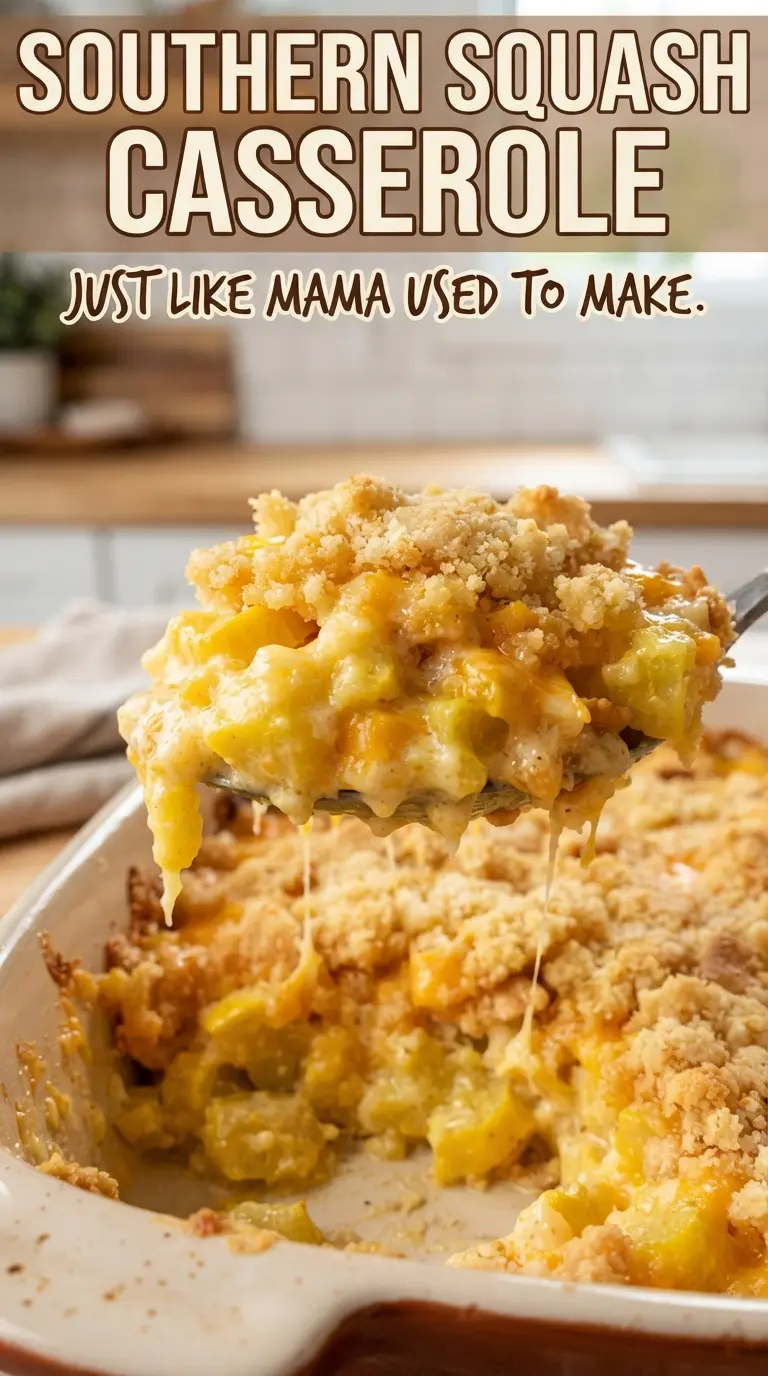
The cheese isn’t just there for flavor. Sharp cheddar cuts through the richness of the mayonnaise and sour cream, and it also helps the filling set a little more firmly as it bakes. Mild cheddar will work, but the casserole tastes flatter.
The eggs matter more than people think. They bind the filling so it bakes into a soft custard instead of a loose vegetable bake. If you skip them, the casserole won’t hold together once it comes out of the oven.
The butter used for the squash and the melted butter tossed with the crackers serve different jobs. The first helps soften the vegetables and starts building flavor in the pan. The second toasts the topping and gives it that classic Southern crunch.
Building the Casserole So the Top Stays Crisp
Cooking Down the Squash
Melt the butter in a skillet, then add the squash and onion and cook until the squash is tender and the pan looks much drier than when you started. You’re not looking for browning here; you’re looking for evaporation. If liquid is still pooling in the pan, keep cooking a little longer, because that extra water is what turns the finished casserole soupy.
Mixing the Custard Base
Stir the cheddar, sour cream, mayonnaise, eggs, salt, and pepper together until the mixture looks evenly combined. Then fold in the squash instead of stirring hard. Aggressive mixing breaks the squash down and can make the filling gluey; gentle folding keeps the texture soft and layered.
Finishing with the Cracker Crust
Spread the filling into the baking dish and sprinkle the buttered crackers evenly over the top. Bake until the center is set and the top is deeply golden, with a few darker edges around the pan. If the top browns before the center sets, tent it loosely with foil for the last part of baking, but only after the casserole has had time to firm up.
Three Ways to Make This Southern Squash Casserole Work for Your Table
Gluten-Free Version
Swap the Ritz crackers for a gluten-free buttery cracker or crushed gluten-free buttery crackers. The topping won’t have quite the same salty snap as classic Ritz, but it still bakes up crisp if you coat the crumbs with melted butter before scattering them over the casserole.
Lighter Dairy Swap
You can replace the sour cream with plain Greek yogurt for a sharper, slightly tangier filling. The casserole will still set, but the texture comes out a little firmer and less rich. Keep the mayonnaise in place unless you want a drier result.
Extra Cheesy, More Robust Side Dish
Add another 1/2 cup of cheddar if you want a richer casserole that reads closer to a main-side hybrid. Don’t go much farther than that or the filling starts to taste dense instead of creamy, and you lose the clean squash flavor underneath.
Make-Ahead for a Crowd
Assemble the casserole without the cracker topping, cover, and refrigerate for up to a day. Add the buttered crackers right before baking so they don’t soften in the fridge. If you bake it straight from cold, add a few extra minutes and watch for the center to set before the top gets too dark.
Storage and Reheating
- Refrigerator: Store leftovers covered for up to 4 days. The topping softens, but the flavor holds up well.
- Freezer: Freeze baked casserole in a tightly wrapped portion for up to 2 months, though the texture of the squash will be softer after thawing. For the best result, freeze before adding the cracker topping and add a fresh crust when reheating.
- Reheating: Reheat in a 325F oven until hot in the center. The microwave makes the topping soggy and can split the filling, so use it only for a quick leftover portion if you don’t mind losing the crust.
Answers to the Questions Worth Asking

Southern Squash Casserole
Ingredients
Equipment
Method
- Preheat the oven to 350F, then grease a 9x13-inch baking dish so the casserole releases easily.
- Melt 2 tablespoons butter, then cook the sliced yellow squash and diced onion for 10-12 minutes until tender, stirring occasionally for even cooking.
- Drain the cooked squash and onion well in a colander to prevent a watery casserole.
- In a bowl, mix the shredded sharp cheddar, sour cream, mayonnaise, beaten eggs, salt, and black pepper until smooth and evenly combined.
- Fold the drained squash and onion into the cheddar mixture so every piece is coated.
- Spread the mixture into the greased baking dish and level the top.
- Toss the crushed Ritz crackers with the melted butter, then sprinkle the buttery crumbs evenly over the top for a golden finish.
- Bake at 350F for 30-35 minutes until golden and set, with bubbling around the edges and a firm center when lightly pressed.


