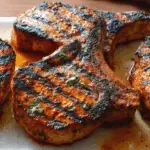
Golden lemon pepper chicken earns its place in the weeknight rotation because the crust tastes bold before the sauce even hits the pan, then the lemon butter glaze loosens everything into something bright, glossy, and deeply savory. The chicken stays juicy because it’s seared first and finished in a sauce that never boils hard enough to tighten it up.
The real trick is building the seasoning into a dry rub with both zest and cracked pepper, then giving the chicken enough time in the skillet to develop color before you add the butter. Lemon zest carries the citrus aroma without watering down the crust, while the juice goes into the sauce at the end so it stays sharp instead of dull and cooked out.
Below, I’ve included the small details that matter most: how to keep the lemon butter from going greasy, when the chicken is actually done, and a few easy swaps if you’re working with what you already have on hand.
The chicken got this gorgeous crust, and the lemon butter sauce stayed silky instead of separating. I used the thermometer like you said and it was juicy all the way through.
Like this lemon pepper chicken? Save it to Pinterest for a bright skillet dinner with a crisp crust and silky lemon butter sauce.
The Crust Is Built Before the Sauce Ever Starts
A lot of lemon chicken goes flat because the seasoning gets diluted in the pan or the sauce takes over before the chicken has a chance to brown. Here, the dry rub does the heavy lifting first. Lemon zest, pepper, garlic powder, onion powder, and salt cling to the surface and turn into a savory crust when they hit the oil.
The other mistake is rushing the heat. If the skillet is too hot, the outside burns before the center cooks through. If it’s too low, the chicken steams and never picks up that deep golden color. Medium-high heat gives you the balance you want: a browned exterior, a juicy middle, and enough fond in the pan to flavor the sauce.
- Lemon zest — This is where the citrus aroma lives. Fresh zest matters here because dried lemon seasoning won’t give the same bright, fragrant crust.
- Cracked black pepper — Coarse pepper gives the chicken its signature bite. Fine ground pepper disappears faster and doesn’t give the same texture.
- Chicken breasts — If yours are thick on one end, pound them to an even thickness so they finish at the same time. That keeps the outer edges from drying out while the center catches up.
- Olive oil — Use enough to coat the pan, not drown it. You want a clean sear, not shallow frying.
What Each Ingredient Is Doing in the Pan

- Butter — This gives the sauce body and that glossy finish. If you swap in all olive oil, you’ll lose the richness that helps the lemon cling to the chicken.
- Fresh lemon juice — Use fresh juice, not bottled. Bottled lemon juice tastes flatter and can make the sauce sharp in the wrong way.
- Garlic — One minute in the butter is enough. If it browns, the sauce turns bitter fast, so keep the heat moderate and stir as soon as it smells fragrant.
- Fresh parsley — It’s not just garnish. A little at the end gives the dish a cleaner finish and keeps the sauce from tasting one-note.
The 22 Minutes That Matter Most
Seasoning the Chicken Evenly
Mix the zest, pepper, garlic powder, onion powder, and salt before it ever touches the chicken. That keeps the seasoning distributed evenly instead of clumping in one spot. Rub it on generously and press it in with your hands so the zest sticks to the surface. If the chicken looks wet, pat it dry first or the rub will slide off and the crust will be patchy.
Getting the Sear
Heat the oil until it shimmers, then lay the chicken in the pan without crowding it. You should hear an immediate, steady sizzle. Leave it alone for several minutes so the crust can form; if you keep nudging it, the surface tears and sticks. Flip only when the first side releases cleanly and looks deeply golden around the edges.
Building the Lemon Butter Sauce
After the chicken comes out, lower the heat before the butter goes in. That fond in the pan is what gives the sauce its depth, but it can burn if you rush the next step. Cook the garlic briefly, then add the lemon juice and zest and stir just until the sauce looks glossy. If the sauce ever looks greasy or split, the heat was too high — pull the pan off the burner for a moment and whisk gently.
Finishing Without Overcooking
Return the chicken to the pan only long enough to coat it in sauce and warm it through. The target is 165°F in the thickest part, and if you’re close, the carryover heat will finish the job. Spoon sauce over the top instead of letting the chicken sit and boil in it. That keeps the crust intact and gives you the best texture at the table.
How to Adapt This for Different Nights
Gluten-Free Without Changing the Method
This recipe is naturally gluten-free as written, so there’s nothing to swap. That’s one reason the crust tastes so clean: the seasoning goes straight onto the chicken instead of being buried under a breading.
Dairy-Free Lemon Chicken
Swap the butter for olive oil or a plant-based butter with a neutral flavor. You’ll lose a little of the sauce’s richness, but the lemon and pepper still carry the dish. Keep the heat low so the alternative fat doesn’t break or taste greasy.
Boneless Chicken Thighs Instead of Breasts
Thighs work well if you want a little more richness and forgiveness. They need a few extra minutes in the skillet, but they stay juicy even if you’re slightly late pulling them off the heat. Expect a softer crust and a deeper savory flavor.
Make It Spicier
Add a pinch of cayenne or red pepper flakes to the seasoning mix. That heat sits nicely under the lemon and makes the pepper more noticeable without changing the sauce structure.
Storage and Reheating
- Refrigerator: Store leftovers in an airtight container for up to 3 days. The sauce may thicken as it chills, but the flavor stays strong.
- Freezer: You can freeze it, though the butter sauce may separate a bit after thawing. Freeze the chicken and sauce together in a sealed container for up to 2 months, then reheat gently.
- Reheating: Warm it covered in a skillet over low heat with a splash of water or extra lemon juice. High heat is the fastest way to dry out the chicken and split the sauce.
Answers to the Questions Worth Asking

Lemon Pepper Chicken
Ingredients
Equipment
Method
- Mix lemon zest, cracked black pepper, garlic powder, onion powder, and salt, then rub generously over both sides of each chicken breast.
- Heat olive oil in a large skillet over medium-high heat and sear the chicken for 5-6 minutes per side until golden and the internal temperature reaches 165°F, then remove to a plate.
- Melt butter in the same pan over medium heat, then add minced garlic and cook for 1 minute.
- Stir in fresh lemon juice and lemon zest, cooking briefly until the sauce looks bright and glossy.
- Return the chicken to the pan and spoon the lemon butter sauce over each breast.
- Garnish with fresh parsley and lemon slices, then serve immediately.