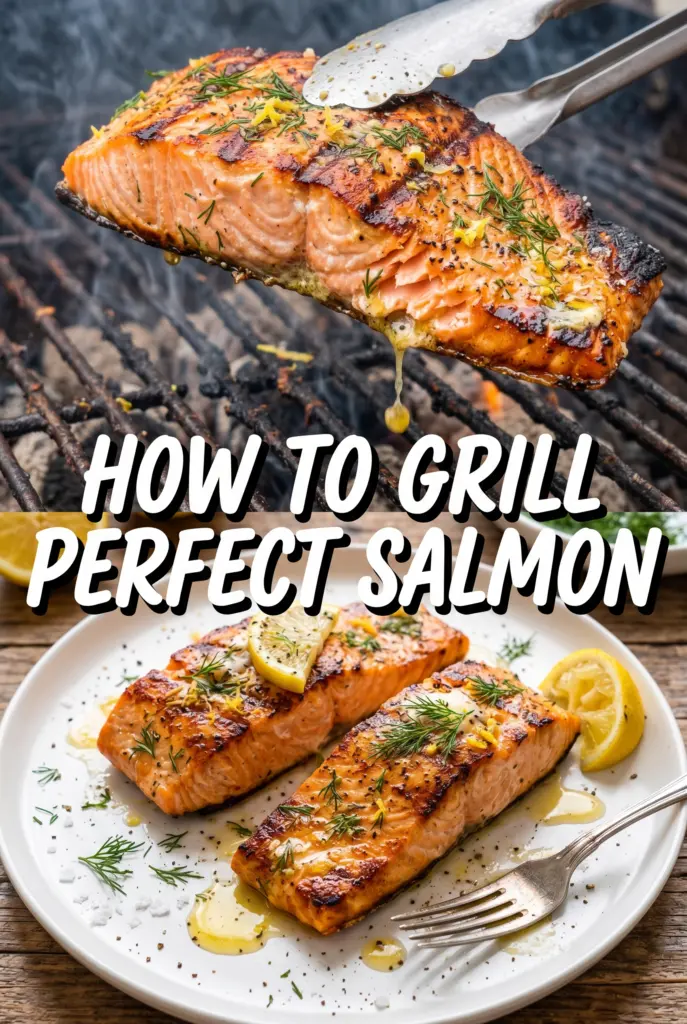
Grilled salmon earns a permanent spot in the rotation when the skin turns crisp, the flesh stays tender, and the fish lifts from the grates without falling apart. The best version tastes clean and bright, with just enough char to balance the richness of the salmon. When it’s done right, you get those deeply satisfying edges and a center that flakes in thick, moist pieces.
The trick is starting with dry fillets and a hot, well-oiled grate. Salmon needs contact with the grill to build flavor, but it also needs a few minutes undisturbed so the skin can release on its own. A short marinade of olive oil, lemon juice, and garlic adds surface flavor without drowning the fish or making it soft.
Below you’ll find the timing that keeps salmon juicy, the one step that prevents sticking, and a couple of smart ways to change the seasoning without losing that crisp-on-the-outside, tender-inside result.
The skin got perfectly crisp and the salmon released from the grill without sticking. I’ve made it twice now, and the lemon-garlic marinade gives it enough flavor that we didn’t even want sauce.
Save this grilled salmon for the nights when you want crisp skin, juicy centers, and a fast lemon-garlic finish.
The Skin Needs Direct Heat, Not Extra Fuss
Most grilled salmon goes wrong because it gets moved too soon. The skin sticks when the grate isn’t hot enough, when the fish is damp, or when it hasn’t had time to sear and release. Once the skin crisps, the salmon will let go on its own. If you try to force it early, you tear the fillet and leave the best part behind on the grill.
That’s why the first side does almost all the work. Put the salmon skin-side down and leave it alone for most of the cook. The flesh is done when it turns opaque about three-quarters of the way up the sides and still looks slightly glossy in the center. Pull it before it looks fully firm, because carryover heat finishes the job while it rests.
What Each Ingredient Is Actually Doing in This Salmon
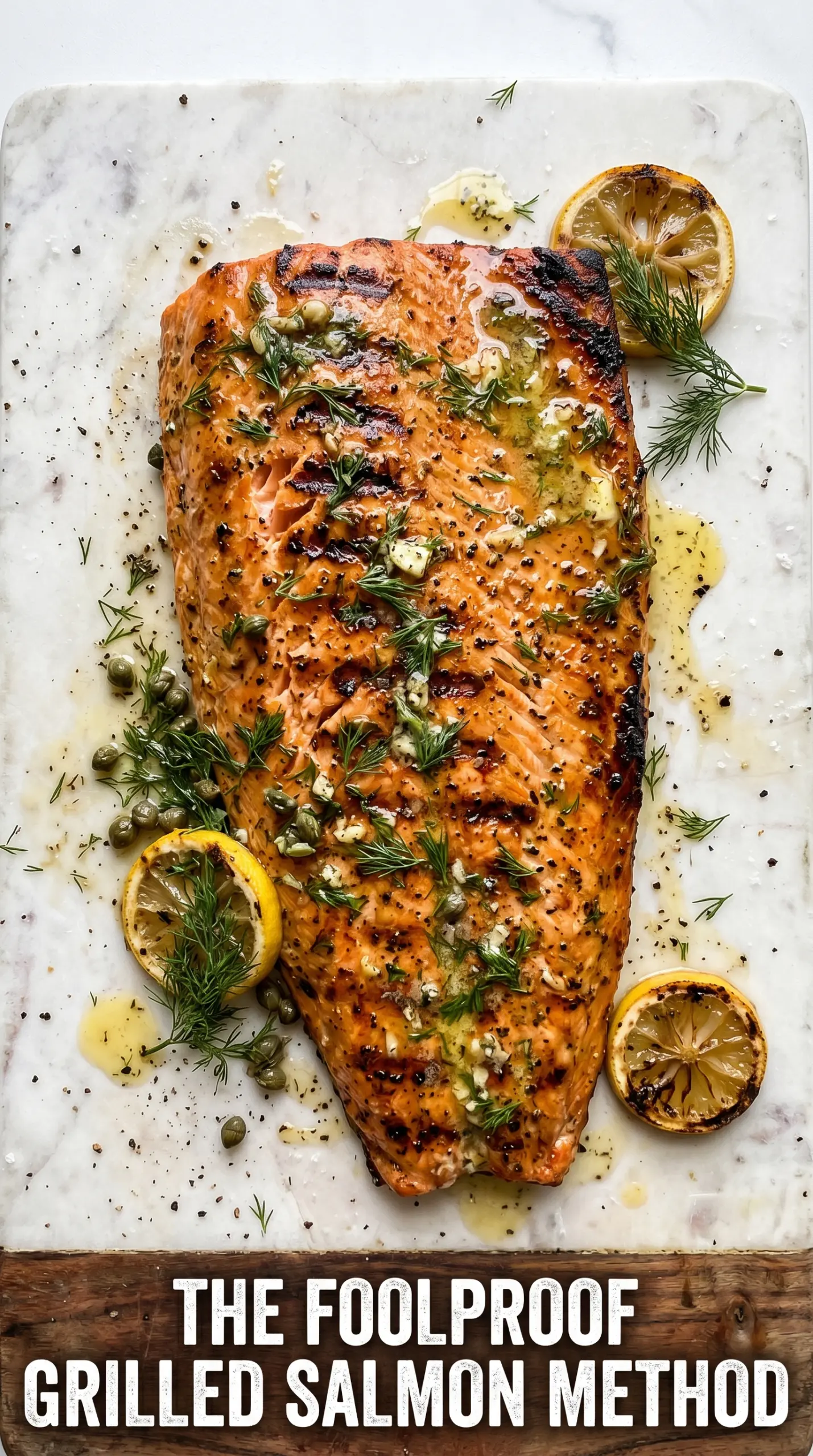
- Skin-on salmon fillets — The skin protects the flesh from direct heat and gives you that crisp bottom layer everyone wants from grilled salmon. Skinless salmon works, but it cooks faster and is much easier to overdo on the grill.
- Olive oil — This helps the seasoning cling and keeps the surface from drying out before the salmon gets its crust. A plain, medium-quality olive oil is fine here; save the fancy finishing oil for the plate.
- Lemon juice — The acid brightens the fish and keeps the flavor clean, but keep the marinade short. Too much time in lemon juice will start to cure the exterior and change the texture in a way you don’t want for grilling.
- Garlic — Minced garlic gives the salmon a sharp, savory edge as it grills. Keep the pieces small so they don’t burn and turn bitter on the hot grate.
- Fresh dill and lemon wedges — These finish the dish with freshness after the grill has done its work. Dried dill won’t give the same clean, herbal lift, so fresh matters more here than it does in the marinade.
Getting the Salmon Off the Grill in One Piece
Drying and Seasoning the Fillets
Start by patting the salmon dry with paper towels. That step matters more than the marinade does for preventing sticking, because wet fish steams before it sears. Brush on the olive oil, lemon juice, and garlic mixture, then season generously with salt and pepper. Let the fillets sit for about 15 minutes, no longer, so the surface picks up flavor without softening too much.
Building Heat on the Grate
Preheat the grill to medium-high and oil the grates well once they’re hot. A cold grate is a sticky grate. You want the salmon to hit clean metal that’s ready to sear the skin the moment it lands. If you’re using a grill brush or folded paper towel dipped in oil, handle it with tongs and keep the coating light, not dripping.
Cooking Skin-Side Down First
Set the salmon skin-side down and don’t move it for 6 to 8 minutes. You’re looking for the edges to turn opaque and the skin to tighten and release naturally. If the fillet still clings when you nudge it, give it another minute. Once it releases cleanly, it’s ready for the flip or, in many cases, almost ready to serve depending on thickness.
Finishing the Last Few Minutes
Flip the salmon carefully and grill for 2 to 3 minutes more, just until it reaches your preferred doneness. For medium, 145°F is the target, but the center can come off the grill a touch before that because it will keep cooking as it rests. Let it sit for a couple of minutes before serving so the juices settle instead of running out the moment you cut in.
How to Adapt This for a Different Grill, Diet, or Seasoning Mood
Dairy-Free and Naturally Gluten-Free
This recipe already fits both of those needs without any extra changes. The key is to keep the marinade simple and the grill clean, because hidden sauces or sticky glazes are usually where gluten and dairy sneak in on salmon recipes.
No Skin on Hand
You can grill skinless fillets, but they need a little more protection. Oil the grates well, shorten the first side by a minute or two, and use a thin metal spatula to turn them once they’ve formed a firm crust. They won’t be quite as forgiving as skin-on salmon, and they won’t have that crisp bottom layer.
Herb-Forward Variation
Swap the dill for chopped parsley, chives, or tarragon if you want a different finish. Parsley keeps things clean and fresh, chives add mild onion flavor, and tarragon leans a little more elegant and anise-like. Add the herbs after grilling so they stay bright instead of wilting on the heat.
Cedar Plank Version
A cedar plank gives the salmon a gentler smoke flavor and makes flipping unnecessary. Soak the plank first, then cook the salmon skin-side down on the wood until the flesh flakes easily. You lose a little of the direct grill char, but you gain a steadier, more delicate result that’s hard to overcook.
Storage and Reheating
- Refrigerator: Store leftovers in an airtight container for up to 3 days. The skin will soften, but the salmon will still be good for salads or grain bowls.
- Freezer: Freeze cooked salmon only if you need to. Wrap it tightly and use within 1 month for the best texture, since grilled fish can dry out after thawing.
- Reheating: Reheat gently in a 275°F oven, covered loosely with foil, just until warmed through. High heat dries salmon fast, so skip the microwave if you want to keep it tender.
Answers to the Questions Worth Asking
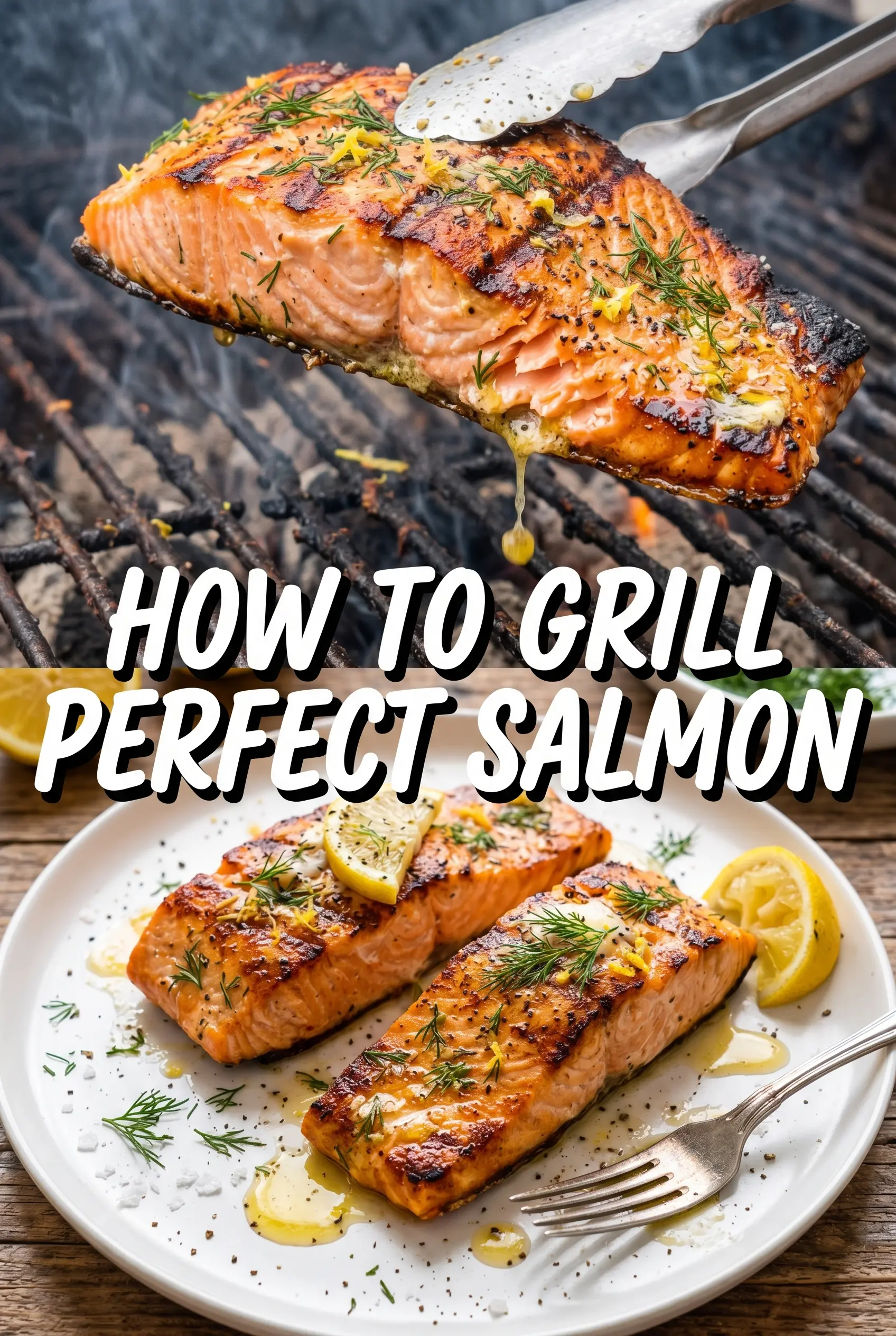
How To Make The Best Grilled Salmon
Ingredients
Equipment
Method
- Pat salmon dry, then brush it with a mixture of olive oil, lemon juice, and minced garlic so the surface is evenly coated. You should see a thin glossy layer on the fillets.
- Season the salmon generously with salt and pepper, then let it sit for 15 minutes at room temperature. The surface will look slightly moist as the seasoning hydrates.
- Preheat the grill to medium-high and oil the grates well to prevent sticking. The grates should feel hot enough to sizzle instantly when salmon touches them.
- Place salmon skin-side down on the grill and grill for 6-8 minutes without moving. The skin should turn crisp and release easily at the edges.
- Carefully flip the salmon and grill for 2-3 minutes more until desired doneness, reaching 145°F for medium. The center should look opaque and flake with gentle pressure.
- Serve the grilled salmon immediately with fresh dill and lemon wedges. The dill should be bright green and the lemon should look juicy for squeezing over the top.