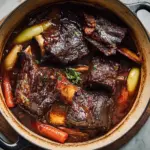
Golden chicken thighs, bright lemon, and salty feta make this the kind of dinner that looks like you worked harder than you did. The skin roasts up crisp, the tomatoes burst into a light pan sauce, and the feta softens just enough on top to turn creamy at the edges without disappearing into the dish. It lands in that sweet spot between fresh and comforting, which is why it keeps earning a spot in the weeknight rotation.
The trick is in the balance. Lemon juice and zest give you sharpness, but the olive oil and chicken skin keep everything from tasting lean or thin. Roasting the chicken skin-side up at a high temperature lets the fat render and the skin brown while the tomatoes and olives underneath soak up the drippings. I also like adding the feta after the chicken comes out of the oven, not before, so it stays distinct instead of melting into a greasy layer.
Below you’ll find the small timing details that matter here, plus a few smart swaps if you’re working with what you already have. The method is simple, but a couple of small choices make the difference between flat and vivid.
The lemon perfume was incredible, and the chicken skin stayed crisp even with the tomatoes and olives in the pan. I did 25 minutes exactly and the feta on top softened without melting away.
Save this Greek Chicken with Lemon and Feta for a crisp-skinned, lemony dinner with soft feta and roasted tomatoes.
The Secret to Crisp Skin in a Lemon Marinade
Acid is the part that trips people up here. If the chicken sits in lemon juice too long, the surface can turn a little soft and almost cured before it ever hits the oven. Thirty minutes is enough to season the meat and brighten the flavor without dulling the skin.
Roasting skin-side up at 425°F does the rest. The high heat helps render the fat under the skin while the tomatoes and olives give off enough moisture to keep the pan from drying out. The goal is a chicken thigh that tastes both roasted and juicy, not steamed and pale.
- Marinade time — Keep it to a short rest. Enough time for the garlic, oregano, and lemon to work into the chicken, not so long that the texture turns soft.
- Chicken thighs — Bone-in, skin-on thighs hold up best here. They stay juicy at the higher oven temperature and give you the most reliable browning.
- Feta timing — Add it after roasting. If it goes in too early, it can dry out and lose the creamy crumble that makes the finished dish feel complete.
What the Olives, Lemon, and Feta Are Really Doing Here

- Olive oil — This carries the oregano and paprika across the chicken and helps the skin brown instead of drying out. Use a decent extra-virgin oil if you can, since its flavor stays present in the finished pan juices.
- Lemon zest and juice — The juice brings brightness, but the zest is what makes the citrus flavor stick around after roasting. If you’re short on lemons, don’t skip the zest; that’s where a lot of the aroma lives.
- Cherry tomatoes — These burst in the oven and turn into the base of the sauce. Larger tomatoes won’t give you the same glossy, concentrated result unless you chop them small and accept a wetter pan.
- Kalamata olives — They add salt and depth, which keeps the dish from tasting one-note. No need for the fanciest olives here, but use good briny ones and drain them well so the pan doesn’t get muddy.
- Feta — Crumbled feta should be added at the end so it softens from the heat without melting away. Block feta crumbled by hand usually tastes better and holds a cleaner texture than the pre-crumbled kind.
Roasting the Chicken So the Pan Builds Its Own Sauce
Mixing the Marinade
Whisk the olive oil, lemon juice, lemon zest, garlic, oregano, smoked paprika, salt, and pepper into a loose marinade, then coat the chicken well. The marinade should smell sharp and herby, not muddy or greasy. If the garlic sits in a big clump, it can scorch, so spread it out as evenly as you can before the chicken goes in the oven.
Arranging the Pan
Set the chicken skin-side up in a single layer and tuck the tomatoes, olives, and lemon slices around it. Don’t bury the chicken under the vegetables or the skin won’t crisp. You want the hot air and direct oven heat on that top skin while the fruit and olives catch the drippings below.
Knowing When It’s Done
Roast until the skin is deep golden and the chicken reaches 165°F at the thickest part without touching bone. The tomatoes should look collapsed and jammy, and the lemon slices should be caramelized at the edges. If the skin looks pale at the end, move the pan to a higher rack for the last few minutes instead of just extending the cook time endlessly.
Finishing With Feta
Pull the pan from the oven and scatter the feta over the hot chicken and vegetables right away. The residual heat softens the cheese just enough to turn it creamy on the outside while keeping the crumbles visible. Finish with fresh oregano so the dish keeps that bright, green top note instead of tasting only roasted.
Three Ways to Keep the Same Greek Flavor and Change the Meal
Dairy-Free Greek Chicken
Skip the feta and finish with extra oregano plus a drizzle of olive oil. You’ll lose the creamy salty finish, but the lemon, olives, and roasted tomatoes still carry the dish. A spoonful of capers can help replace some of that briny edge if you want more punch.
Boneless Chicken Thighs Instead
Boneless thighs work if that’s what you have, but they cook faster and won’t give you quite the same crisp skin or pan juices. Start checking them around the 18-minute mark and pull them as soon as they hit temperature so they stay tender.
Turning It Into a One-Pan Dinner
Add chunks of baby potatoes or sliced red onion around the chicken at the start if you want more bulk. Potatoes need a head start, so cut them small and keep an eye on the pan; onions soften quickly and pick up all the lemony drippings without changing the method.
Storage and Reheating
- Refrigerator: Store leftovers in an airtight container for up to 4 days. The skin softens in the fridge, but the flavor deepens.
- Freezer: Freeze the chicken and pan juices for up to 2 months. Freeze without the feta if possible, since it becomes crumbly and chalky after thawing.
- Reheating: Warm covered in a 350°F oven until heated through, then uncover for a few minutes to bring back some texture. The biggest mistake is microwaving it until the chicken gets rubbery and the tomatoes collapse into nothing.
Answers to the Questions Worth Asking

Greek Chicken with Lemon and Feta
Ingredients
Equipment
Method
- Whisk olive oil, fresh lemon juice, lemon zest, minced garlic, dried oregano, smoked paprika, salt, and pepper until combined.
- Marinate chicken thighs for at least 30 minutes, turning once so the flavors coat the skin.
- Preheat oven to 425°F and arrange the marinated chicken skin-side up in a large baking dish.
- Scatter cherry tomatoes, Kalamata olives, and thin lemon slices around the chicken for even roasting.
- Roast for 25-28 minutes at 425°F until the chicken skin is golden and the internal temperature reaches 165°F.
- Remove from the oven and immediately crumble feta over the hot chicken and vegetables so it softens from the heat.
- Garnish with fresh oregano and serve warm with pita or orzo.