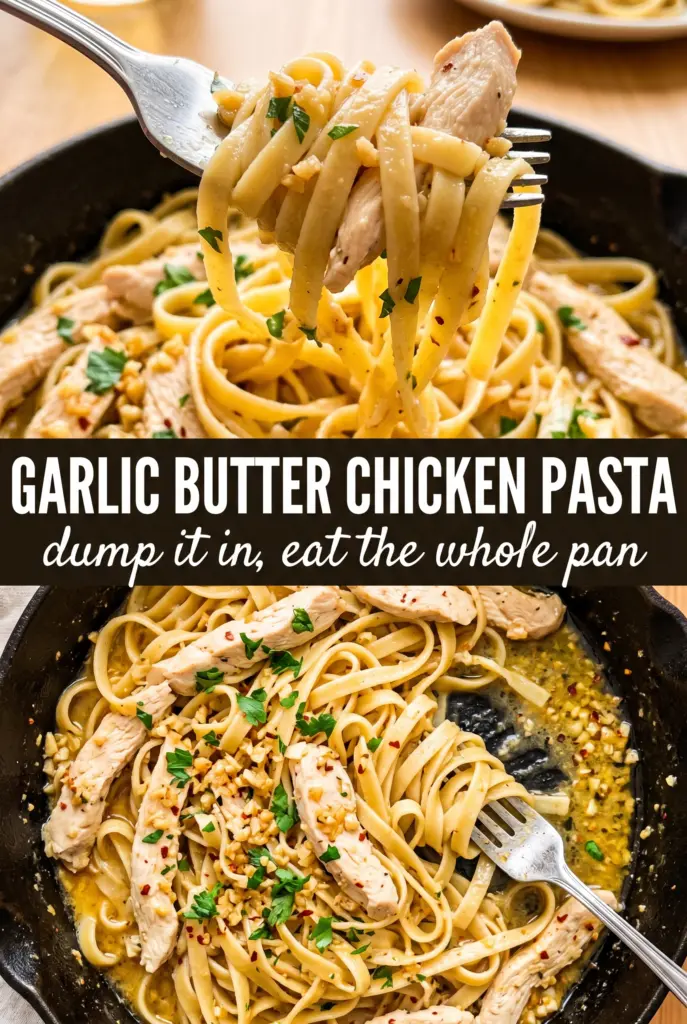
Garlic butter chicken pasta lands on the table with glossy noodles, golden chicken, and a sauce that clings instead of pooling at the bottom of the bowl. The first bite is all buttered garlic and Parmesan, then the lemon comes through just enough to keep the whole dish from tasting heavy. It’s the kind of pasta that feels like you put in more effort than you did, which is exactly why it earns a regular spot on weeknights.
What makes this version work is the order. The chicken gets seared first so it brings real color and flavor to the pan, then the garlic goes into the butter long enough to turn fragrant without burning. After that, the pasta water does the job that extra butter can’t: it helps the sauce turn silky and coat every strand of spaghetti instead of sliding off.
Below, I’ll show you the exact point where the sauce comes together, the ingredient that makes the biggest difference if you want a restaurant-style finish, and a few smart swaps if you need to work with what’s already in your kitchen.
The sauce turned silky with just a little pasta water, and the chicken stayed juicy instead of drying out. My husband asked if I could make this again next week before dinner was even over.
Save this garlic butter chicken pasta for the nights when you want a glossy, Parmesan-coated dinner fast.
The Part Most Garlic Butter Pasta Gets Wrong
The biggest mistake in a dish like this is pushing the garlic too hard. If it browns too fast, it turns bitter and takes the whole sauce with it. Butter can carry garlic flavor beautifully, but only if the heat stays moderate and the garlic only cooks until fragrant with just a hint of color at the edges.
The other place this recipe succeeds is in the finish. Pasta needs more than melted butter to taste cohesive. The reserved pasta water brings starch into the pan, which helps the sauce emulsify and cling to the spaghetti. If the sauce looks thin at first, that’s normal; it tightens as you toss and the starch does its work.
- Chicken strips — Cutting the chicken into strips helps it cook quickly and stay tender. Thick pieces take longer, which is how you end up with browned outsides and dry centers.
- Freshly grated Parmesan — Pre-shredded cheese doesn’t melt as smoothly and can leave the sauce grainy. Freshly grated Parmesan gives you a cleaner finish and a better salty, nutty backdrop.
- Pasta water — This is what turns butter and garlic into sauce. Save at least a cup before draining, because a splash or two is often enough to make everything glossy.
- Lemon juice — It keeps the sauce from tasting flat. Bottled lemon juice can work in a pinch, but fresh gives the cleaner lift this pasta needs.
What Each Ingredient Is Actually Doing in This Creamy Pasta
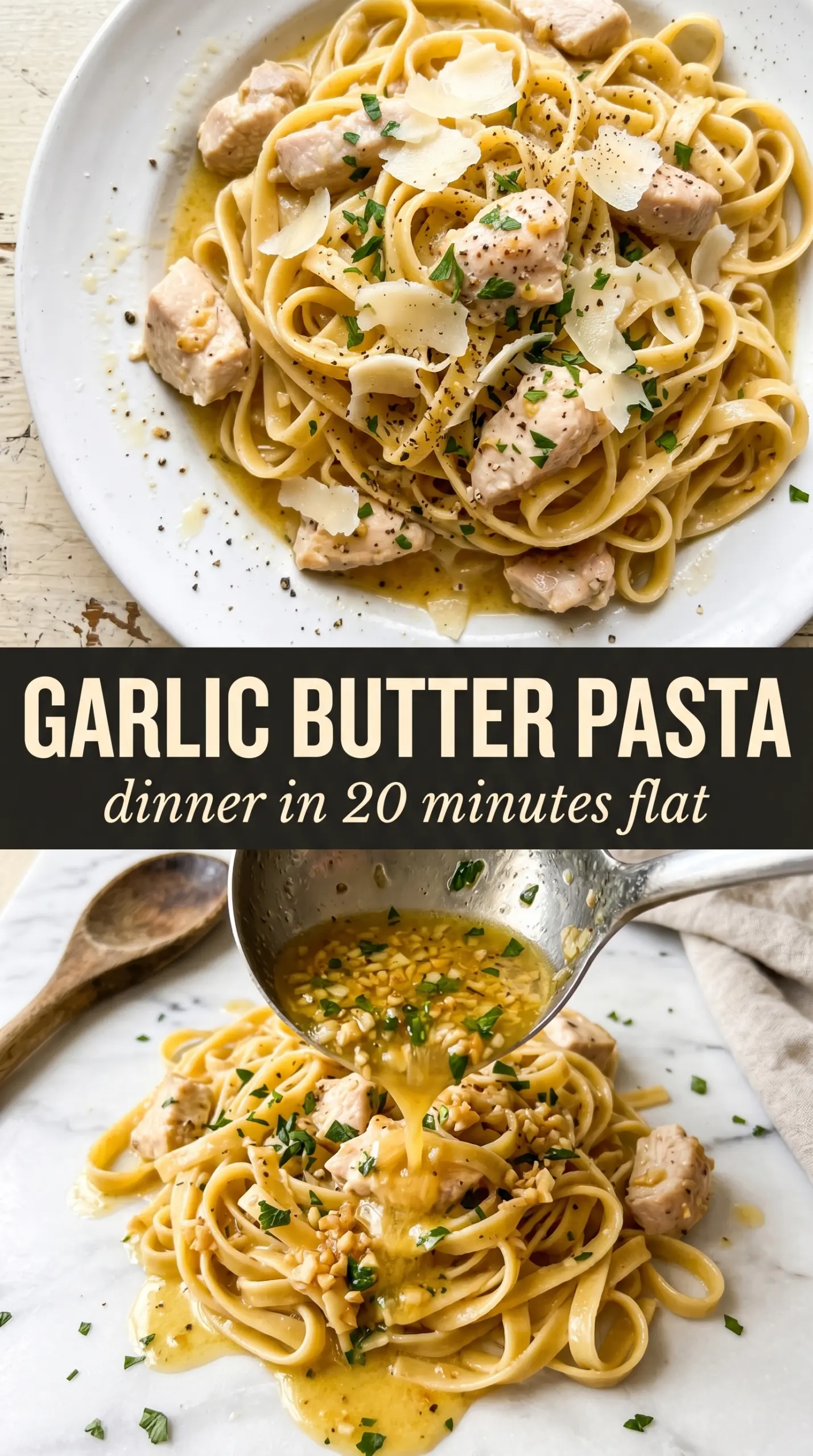
- Pasta (the foundation) — Cook to al dente so it doesn’t turn mushy in the sauce. Reserve pasta water for sauce adjustment.
- Garlic (the aromatic base) — Cook until fragrant but not brown. Minced garlic dissolves into the sauce; sliced stays distinct.
- Butter (the richness and emulsifier) — This carries the garlic flavor and helps the cream sauce coat the pasta. Start with plenty.
- Cream (the sauce base) — Heavy cream creates a luxurious sauce. Don’t let it boil hard or it can break and separate.
- Cheese (the binding and salt) — Parmesan melts into the sauce and adds umami. Add it off heat so it doesn’t get grainy.
- Pasta water (the secret ingredient) — Starchy water helps the sauce cling to the noodles. Start with a little and add more if needed.
- Salt and pepper (proper seasoning) — Season boldly in the sauce; the pasta will dilute it slightly. Taste and adjust before serving.
- Final toss (the emulsification) — Toss gently so the pasta stays al dente and every noodle gets coated. If too thick, loosen with more pasta water.
Building the Garlic Butter Sauce Without Burning the Garlic
Searing the Chicken First
Heat the olive oil until it shimmers, then lay the chicken in a single layer so it can brown instead of steam. You want a deep golden edge and cooked-through centers, which usually takes about 4 to 5 minutes per side depending on thickness. If the pan is overcrowded, the chicken will release liquid and turn pale, so work in batches if you need to. Pull it out once it’s done and let the skillet keep all those browned bits.
Cooking the Garlic in Butter
Lower the heat before the garlic goes in. Butter burns faster than people expect, and garlic can go from fragrant to bitter in under a minute if the pan is too hot. Cook just until the garlic smells sweet and the edges start to turn light gold, then move straight to the lemon juice. That quick transition keeps the sauce bright instead of muddy.
Tossing the Pasta Into the Pan
Add the hot spaghetti directly to the skillet and start tossing with a splash of pasta water. The sauce should look loose at first, then turn silky as the starch and butter come together. If it looks greasy, it needs more pasta water and a little more tossing, not more butter. Keep the heat low here so the sauce stays smooth and doesn’t separate.
Finishing With Cheese and Herbs
Parmesan goes in at the end so it melts into the sauce instead of clumping on top. Sprinkle it over the pasta after the pan is off the hottest part of the burner, then toss again. Finish with parsley for freshness and color, and serve right away while the sauce is still glossy. Garlic butter pasta waits for no one.
What to Change When You Don’t Have Exactly These Ingredients
Make It Creamier
Stir in 2 to 3 tablespoons of heavy cream after the garlic cooks if you want a richer, more saucy finish. It softens the sharpness of the lemon and makes the dish feel closer to a restaurant-style pasta, but it also dials back the clean butter-and-garlic flavor a little.
Use Shrimp Instead of Chicken
Shrimp works well if you want something faster, but it cooks in minutes and turns rubbery if it stays in the pan too long. Sear it just until opaque, then remove it and finish the pasta the same way so the seafood stays tender.
Gluten-Free Version
Use your favorite gluten-free spaghetti and cook it just shy of fully done so it holds together during the toss. Gluten-free pasta can break down faster in a skillet, so add the pasta water a little at a time and stop tossing once the sauce looks glossy.
Dairy-Free Swap
Use a good olive oil-based butter substitute and a dairy-free Parmesan-style topping if needed. The flavor stays savory and garlicky, though you’ll lose some of the richness that real butter and Parmesan give the sauce.
Storage and Reheating
- Refrigerator: Store leftovers in an airtight container for up to 3 days. The pasta will absorb some of the sauce as it sits.
- Freezer: It freezes, but the texture is better fresh. If you do freeze it, expect the sauce to loosen a little after thawing and toss it well when reheating.
- Reheating: Warm it gently in a skillet over low heat with a splash of water or broth. The mistake to avoid is blasting it in the microwave, which dries out the chicken and makes the sauce separate.
Questions I Get Asked About This Recipe
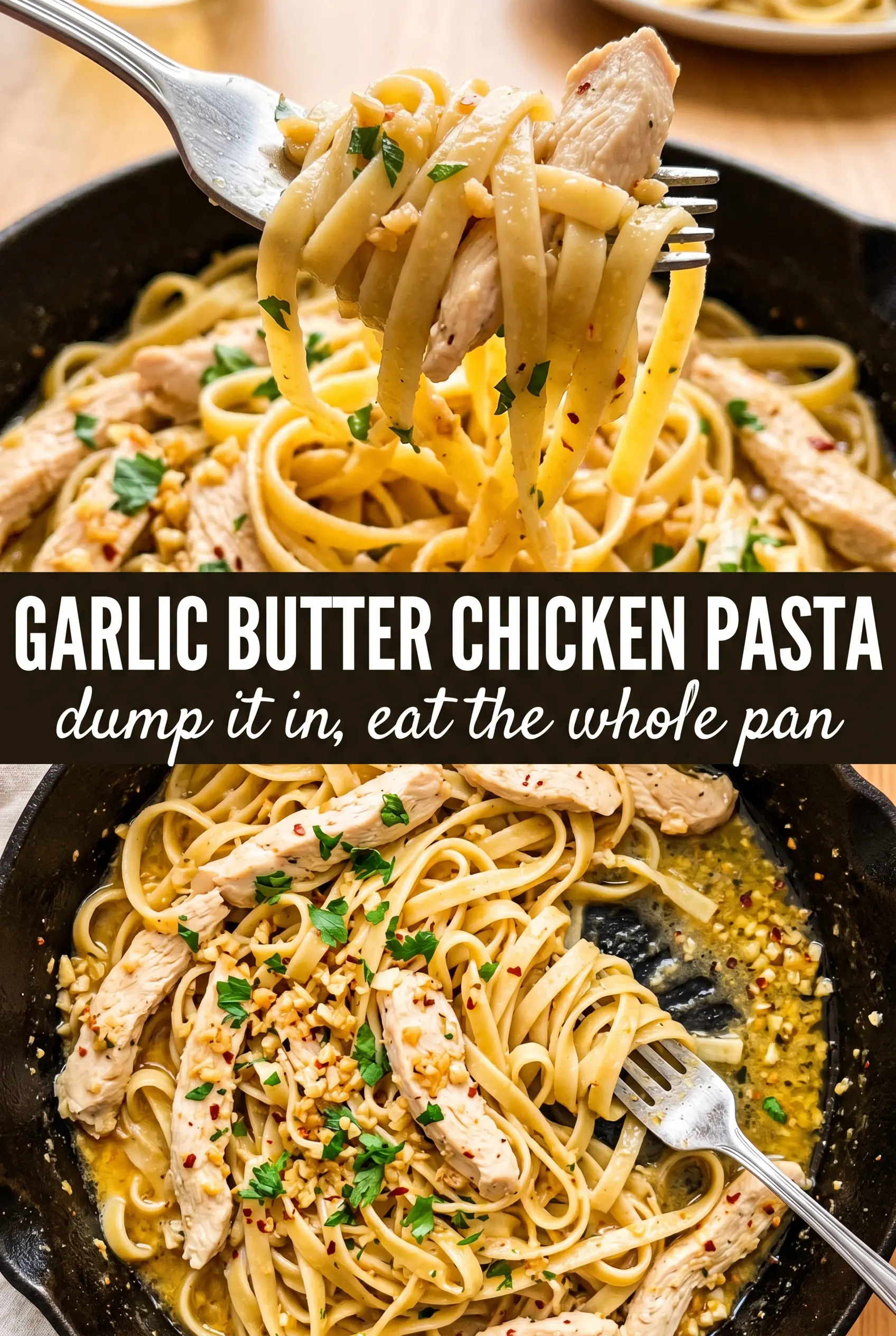
Garlic Butter Chicken Pasta
Ingredients
Equipment
Method
- Season the chicken strips with salt, pepper, garlic powder, and Italian seasoning. Heat olive oil in a large skillet over medium-high heat and cook the chicken for 4-5 minutes per side until golden and cooked through.
- Transfer the seared chicken to a plate and set aside. Leave the skillet drippings in the pan for the sauce.
- Melt the butter in the same skillet over medium heat. Add the minced garlic and red pepper flakes and cook for 1-2 minutes until the garlic is fragrant and golden at the edges.
- Add the fresh lemon juice to the skillet. Toss the cooked spaghetti into the garlic butter sauce and add pasta water a splash at a time to coat all the pasta.
- Top the pasta with the seared chicken strips. Sprinkle Parmesan and fresh parsley generously over the top.
- Serve the garlic butter chicken pasta immediately. Keep it hot so the butter sauce stays glossy on the spaghetti.