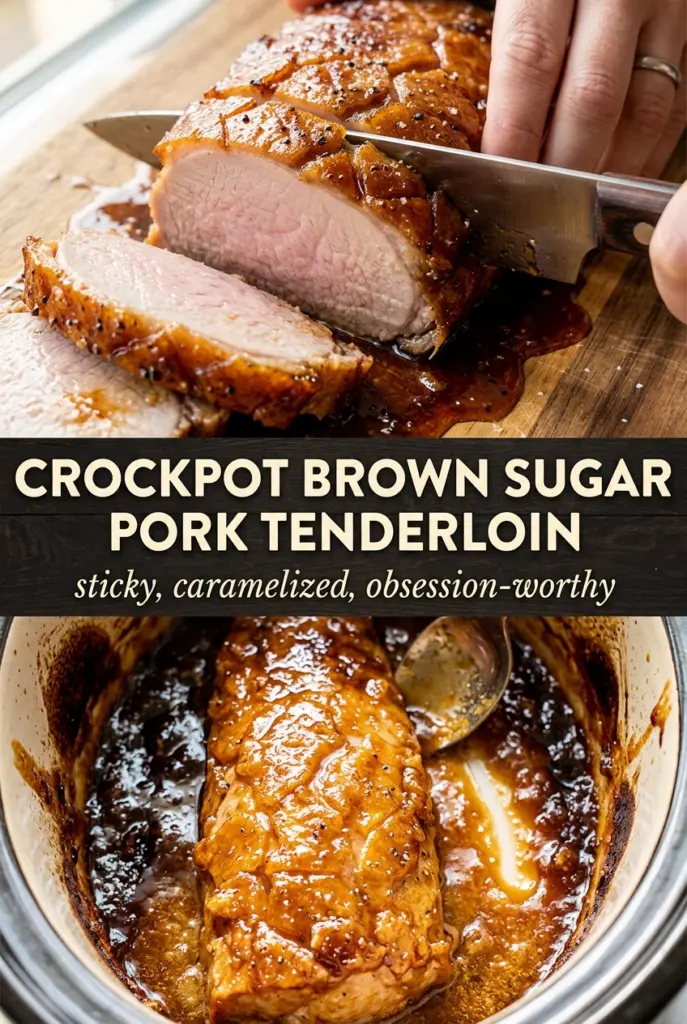
Brown sugar pork tenderloin is the kind of slow cooker dinner that looks polished on the plate but asks almost nothing from you while it cooks. The pork turns tender without drying out, and the glaze settles into a glossy, savory-sweet coating that clings to every slice instead of sliding off into the pot. What you end up with is juicy pork, a sticky pan sauce, and enough of that caramelized edge to make plain weeknight dinner feel a little more intentional.
The trick here is balance. Brown sugar gives the glaze body and that deep molasses note, while Dijon and apple cider vinegar keep it from tasting flat or candy-sweet. A little soy sauce brings salt and umami, and the broth at the bottom keeps the slow cooker environment moist without watering down the seasoning. The pork tenderloin itself is lean, so the gentle heat matters more than it does with fattier cuts; go too far past 145°F and it loses that clean, sliceable tenderness fast.
Below, I’ve laid out the parts that matter most: how to keep the glaze from turning clumpy, why the resting time is worth it, and which substitutions work without wrecking the texture.
The glaze set up beautifully and the pork stayed juicy all the way through. I sliced it after the rest and spooned the juices over top like you suggested, and that glossy sauce made it taste like a much fancier dinner.
Brown Sugar Pork Tenderloin with that sticky Dijon glaze is a keeper for nights when you want something tender, glossy, and low-effort.
The Part Most People Get Wrong With Crockpot Pork Tenderloin
The biggest mistake with pork tenderloin in a slow cooker is treating it like a cut that can take all day without consequence. It can’t. Tenderloin is lean and delicate, which means the goal is gentle cooking until just done, not long braising until it shreds. That’s why the broth goes in the bottom for moisture, but the pork itself sits above that liquid and cooks in the seasoned glaze rather than getting boiled.
The other thing that matters is the sugar. Brown sugar doesn’t just sweeten here; it helps the coating turn into a lacquered sauce once it mingles with the soy, mustard, and pork juices. If the mixture looks thick going in, that’s right. It should cling to the meat in a paste, not look like a loose marinade.
- Brown sugar — Packed brown sugar gives this glaze its sticky finish and deep molasses note. Light or dark both work; dark brown sugar gives a slightly richer, darker sauce.
- Dijon mustard — This is what keeps the glaze from tasting one-note. Yellow mustard won’t give the same sharpness or body, but in a pinch it can still help cut the sweetness.
- Soy sauce — This adds salt and umami, and it does more here than plain salt alone. Use low-sodium if that’s what you keep on hand; just know the glaze may taste a little softer until the broth reduces at the end.
- Apple cider vinegar — The acidity wakes everything up and keeps the sugar from tasting heavy. If you only have white vinegar, use a little less because it hits sharper.
- Pork tenderloin — Buy actual tenderloin, not pork loin. They cook differently, and the loin is thicker and needs more time. Tenderloin is the cut that stays juicy with this timing.
What Each Ingredient Is Actually Doing in This Slow Cooker Pork
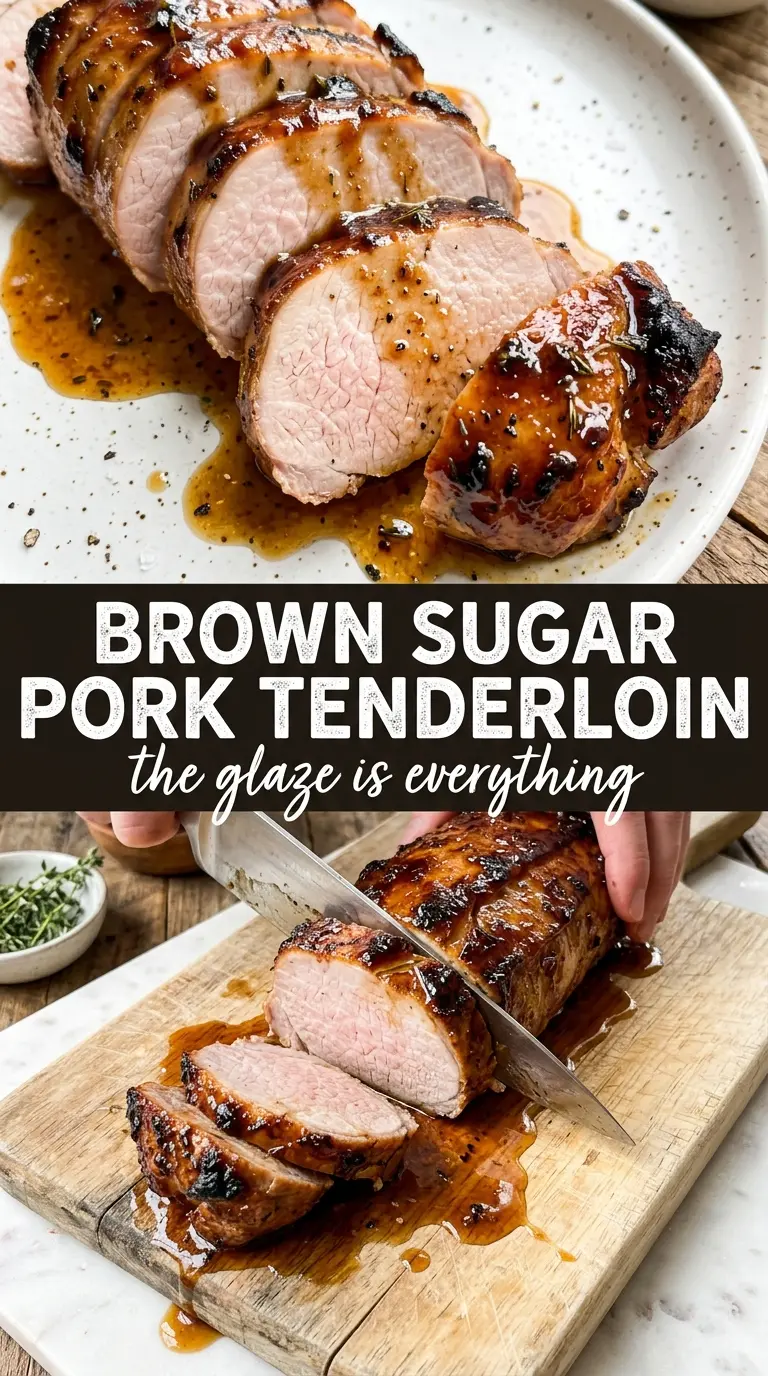
- Pork (tenderloin, shoulder, or ribs) — Each cut cooks differently. Tenderloin is lean and fast; shoulder breaks down slowly into tender shreds.
- Sauce (brown sugar, BBQ, apple-based) — This caramelizes slightly and becomes glossy. Don’t add too early or sugar burns; add mid-cook.
- Aromatics (garlic, onion, ginger) — These mellow beautifully during slow cooking. Mince finely so flavors distribute evenly.
- Liquid (broth, apple juice, or cider) — This keeps the pork moist and creates the cooking environment. Pork can dry out without enough moisture.
- Spices (paprika, cumin, cinnamon) — Warm spices work beautifully with pork. Cinnamon pairs especially well with apple-glazed preparations.
- Vegetables (if using) — Cut to size and add by cooking time. Root vegetables go in early; tender ones later.
- Acid (vinegar, apple cider, or citrus) — This prevents sweet glazes from tasting one-dimensional. Add near the end to keep brightness.
- Low heat for 6-8 hours (the gentle cook) — Pork is leaner than beef, so low heat is essential. High heat dries it out quickly.
How to Build the Glaze So It Clings Instead of Sliding Off
Mix the Paste First
Stir the brown sugar, soy sauce, Dijon, garlic, vinegar, oil, and spices until you have a thick, gritty paste. It won’t look like a smooth sauce, and that’s fine. The texture should be spreadable so it grabs onto the pork instead of running straight off into the crockpot. If it seems dry, add just a teaspoon or two of broth, not enough to thin it into a marinade.
Coat the Pork Completely
Rub the mixture over every side of the tenderloin and press it into the surface with your hands. That contact matters because the sugar starts dissolving as soon as it meets the meat, and that’s what builds the glaze later. If you leave bare spots, those areas will cook plain while the coated side gets the sticky finish you want.
Cook Until the Center Hits 145°F
Set the tenderloin over the broth and cook on low for 4 to 5 hours or high for 2 to 2.5 hours, but trust temperature over the clock. Pull it when the thickest part reads 145°F and still feels springy, not stiff. If you wait until it feels firm all the way through, it’s already gone past the sweet spot. Let it rest for 5 minutes before slicing so the juices settle instead of flooding the cutting board.
What the Broth, Vinegar, and Spices Are Really Doing Here
- Chicken broth — This keeps the slow cooker from drying out and gives you enough liquid to spoon over the sliced pork at the end. You don’t need a fancy stock; basic broth works fine.
- Garlic, garlic powder, and onion powder — Fresh garlic gives the glaze punch, while the powder layers in a rounder, more even background seasoning. That combination keeps the flavor from tasting raw or overly sharp after hours of cooking.
- Smoked paprika and cayenne — Paprika adds warmth and color without turning the glaze spicy, and cayenne gives a small edge that balances the sugar. If you want a milder finish, cut the cayenne in half rather than leaving it out completely.
- Rosemary or thyme — The garnish isn’t just for looks. A small amount of fresh herb on top lifts the sweetness and makes the whole dish smell finished.
Dairy-Free and Naturally Gluten-Free
This recipe already skips dairy, and it can be gluten-free if you use a certified gluten-free soy sauce or tamari. The texture and glaze stay the same, so you’re not giving up anything important.
Less Sweet, More Savory
Cut the brown sugar to 1/3 cup and add an extra teaspoon of Dijon if you want a sharper, more savory glaze. You’ll lose a little of the glossy candy-like coating, but the pork will taste more balanced and less sticky-sweet.
Using Pork Loin Instead of Tenderloin
Pork loin can work, but it needs a longer cook time and slices more firmly than tenderloin. Start checking it early, then keep cooking until it reaches 145°F in the center. Don’t use the same timing without checking, or the outside can dry before the middle is done.
Storage and Reheating
- Refrigerator: Store sliced pork with the juices for up to 4 days. The glaze thickens as it chills, which helps the meat stay moist.
- Freezer: It freezes well for up to 2 months. Freeze slices with plenty of sauce in a sealed container so the pork doesn’t dry out when thawed.
- Reheating: Warm it gently in a covered skillet with a splash of broth or in the microwave at medium power. High heat is the mistake here; it pulls the moisture out fast and makes tenderloin tough.
Answers to the Questions Worth Asking
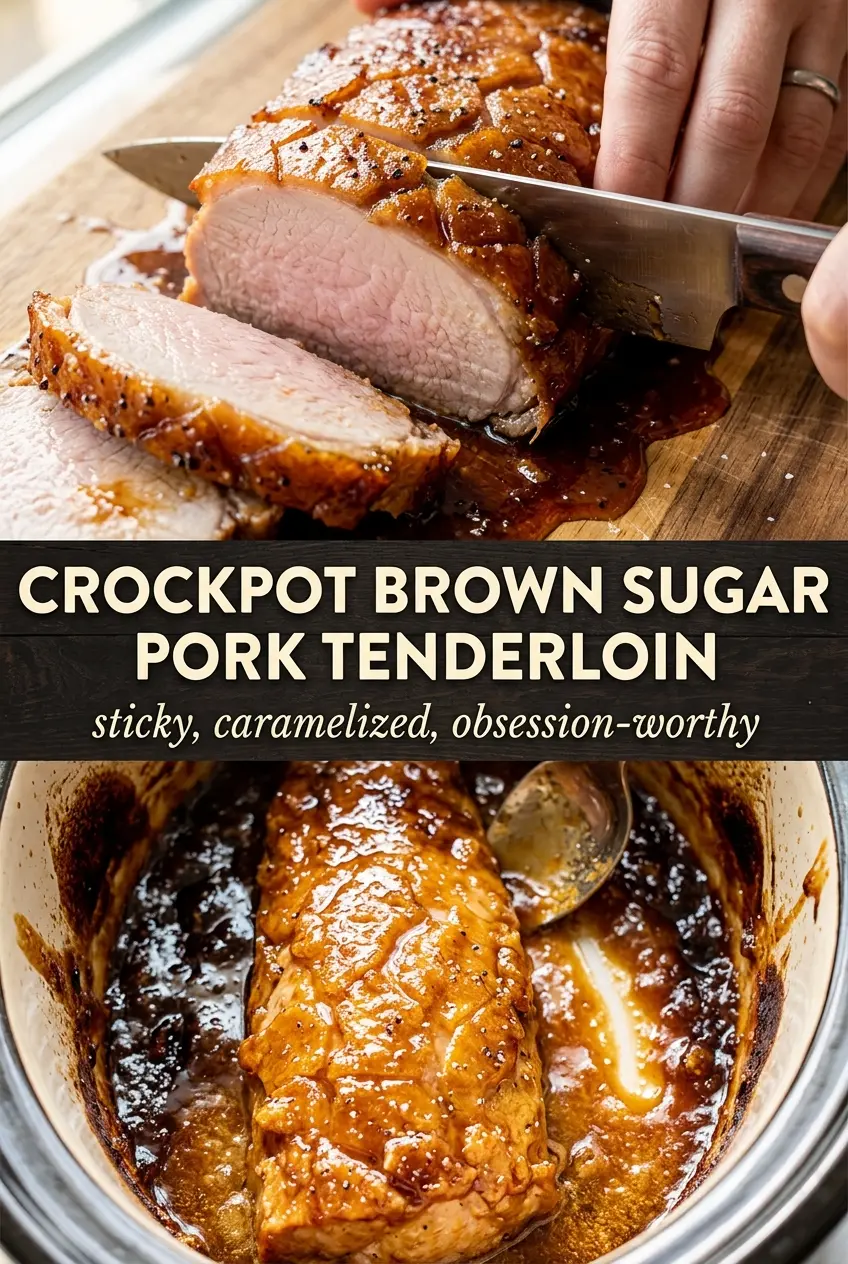
Crockpot Brown Sugar Pork Tenderloin
Ingredients
Equipment
Method
- In a bowl, mix brown sugar, soy sauce, Dijon mustard, garlic, apple cider vinegar, olive oil, garlic powder, onion powder, smoked paprika, salt, black pepper, and cayenne pepper until a thick paste forms.
- Rub the brown sugar mixture all over the pork tenderloin, coating every surface.
- Pour chicken broth into the bottom of the slow cooker.
- Place the pork tenderloin in the slow cooker on top of the broth.
- Cook on low for 4–5 hours until the internal temperature reaches 145°F, or cook on high for 2–2.5 hours until the internal temperature reaches 145°F.
- Let the pork rest for 5 minutes before slicing to keep the juices inside.
- Spoon the pan juices over the sliced pork and garnish with fresh rosemary or thyme.