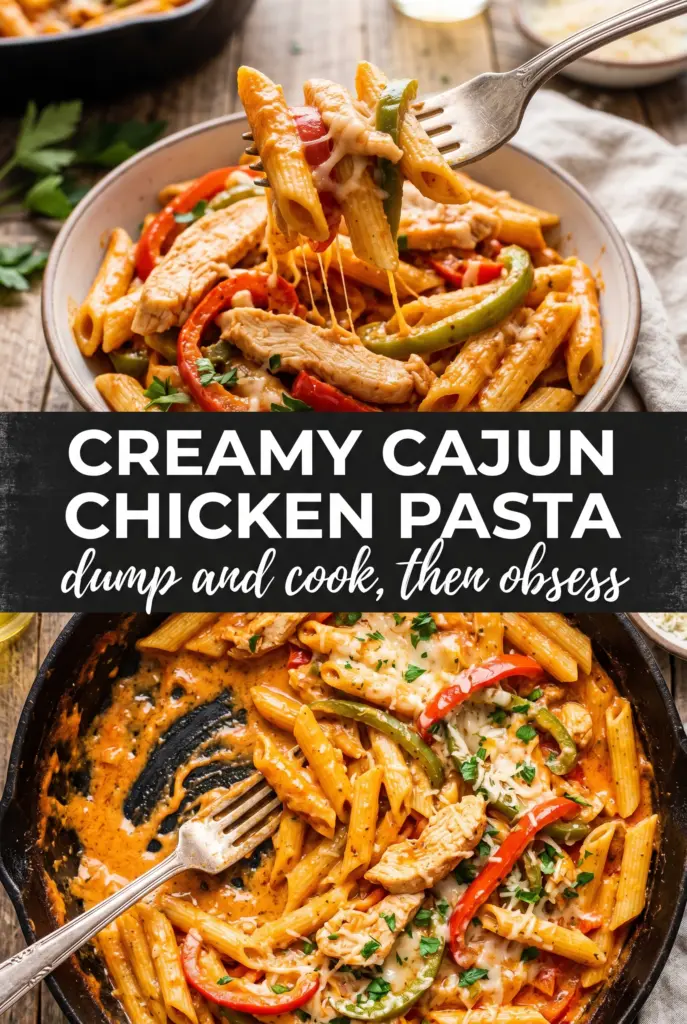
Penne tangled in a rusty Cajun cream sauce has a way of disappearing fast, especially when the chicken is browned hard enough to bring a little smoky edge to the whole skillet. This version leans into that contrast: tender pasta, blackened chicken, sweet peppers, and a sauce that clings instead of pooling at the bottom of the bowl. It eats like a full dinner, not just pasta with something on top.
The key is building flavor in stages. The chicken gets one layer of Cajun seasoning before it hits a hot pan, then the peppers and garlic pick up the browned bits left behind. Heavy cream and broth keep the sauce smooth, while parmesan thickens it without turning it gluey. If the sauce seems loose at first, that’s normal; the pasta and a splash of starchy water finish the job.
Below, I’ve included the small timing cues that keep the chicken juicy and the sauce silky, plus a few smart variations for when you want to dial the heat up, lighten it a little, or make it work with what’s already in the pantry.
The sauce clung to every piece of penne and the chicken stayed juicy even with those dark, spicy edges. I added a splash of pasta water at the end and it came together perfectly.
Love the bold Cajun chicken, smoky peppers, and creamy pasta sauce? Save this skillet dinner for the nights when you want big flavor in about 35 minutes.
The Difference Between Blackened Chicken and Burnt Chicken
The chicken needs high heat, but not chaos. Cajun seasoning contains paprika and other spices that darken fast, and that dark crust is part of the point. The trick is to let the strips sit long enough to pick up color before moving them, then pull them the moment they’re cooked through so the skillet still has enough heat left to build the sauce.
If you crowd the pan, the chicken steams and the spices smear instead of sear. Work in one layer if you can, and if your skillet is small, cook in two batches. Those browned bits left behind are what give the cream sauce its depth, so don’t wipe the pan clean.
What the Cajun Seasoning, Cream, and Parmesan Each Do Here
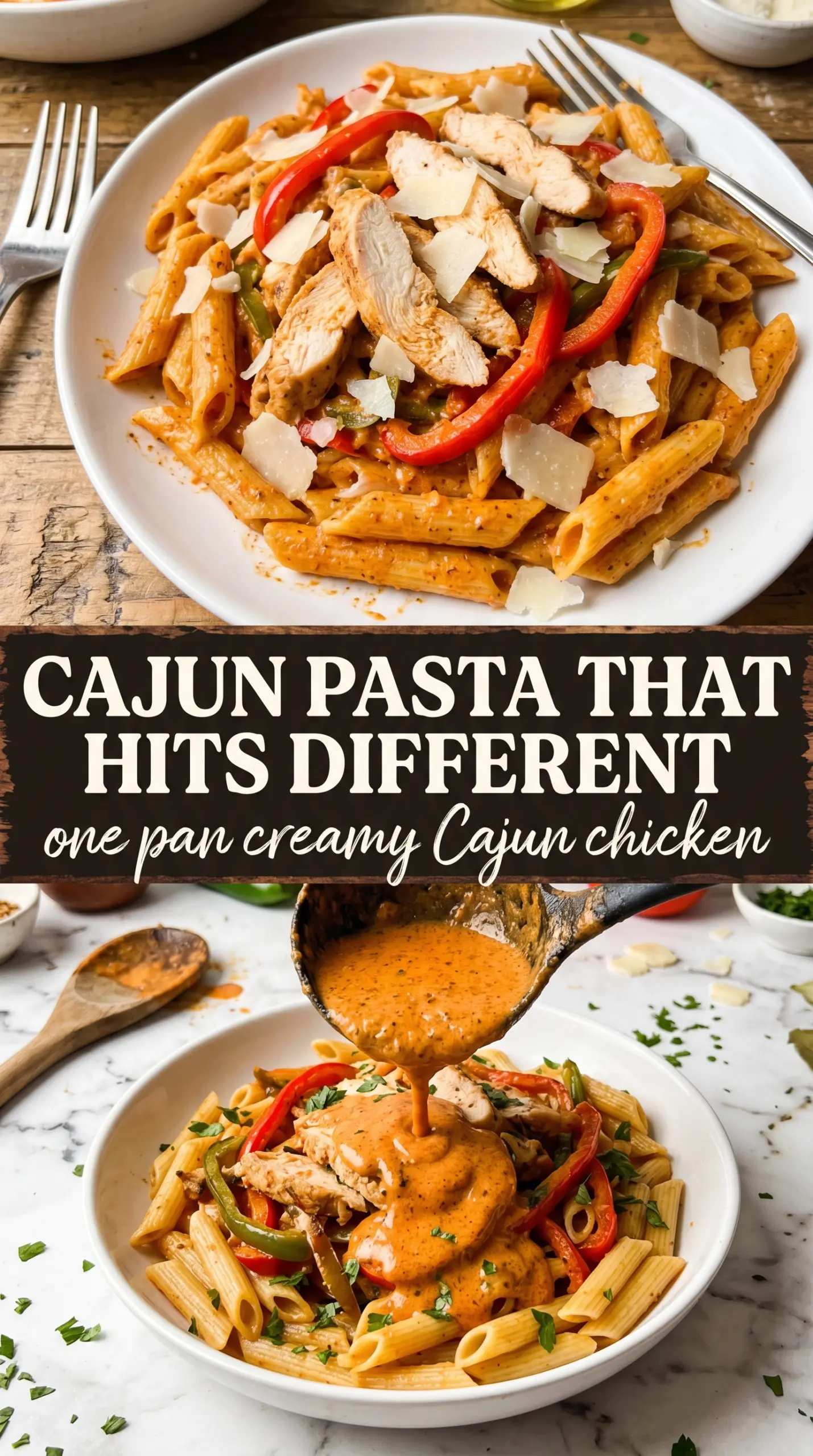
- Cajun seasoning — This is the backbone of the dish, so use one you like on its own. Some blends are saltier and hotter than others; if yours runs salty, season the pasta water lightly and wait until the end to add more salt. Dividing it between the chicken and the sauce keeps the flavor layered instead of dusty.
- Heavy cream — This gives the sauce its body and helps it stay smooth when it meets the parmesan. Half-and-half will work in a pinch, but the sauce will be thinner and a little more likely to separate if you let it boil hard. Keep the simmer gentle.
- Parmesan — Grate it finely so it melts into the sauce instead of sitting in sandy little clumps. Pre-shredded cheese usually has anti-caking agents that can make the sauce grainy. Freshly grated parmesan melts cleaner and gives the sauce a fuller finish.
- Bell peppers — They bring sweetness that balances the heat and give the skillet some color and texture. Slice them fairly thin so they soften in a few minutes without turning mushy. If you only have one color, that’s fine; the flavor still works.
- Pasta water — That starchy water is the easiest way to loosen the sauce without thinning the flavor. Add it a splash at a time at the very end after the pasta goes in. It helps the sauce coat every piece of penne instead of slipping off.
Building the Sauce After the Pan Is Already Hot
Boiling the Pasta to a True Al Dente
Cook the penne in well-salted water until it’s just shy of done, then drain it while the center still has a little firmness. It will keep cooking once it hits the hot sauce, and overcooked pasta turns soft fast in a creamy skillet dish. Reserve the pasta water before you drain, because that’s your insurance policy if the sauce tightens up too much.
Searing the Chicken First
Toss the chicken strips with half the Cajun seasoning, then get them into a hot skillet with the oil. You want a deep brown crust on the outside and no pink in the middle. If the strips look pale after a few minutes, your pan wasn’t hot enough or the chicken was crowded; give it space and let the heat do the work.
Pulling Flavor from the Pan Bottom
Butter goes in next, followed by the peppers. They should soften and pick up some edges of color, not collapse into mush. Garlic and the remaining seasoning only need about a minute; any longer and the garlic can turn bitter, which sticks out more in a cream sauce than in almost any other dish.
Finishing the Cream Sauce
Pour in the broth and cream, then let the sauce bubble gently until it starts to thicken around the edges. Keep the heat moderate, because a hard boil can make dairy separate and the sauce can turn greasy instead of silky. Stir in the parmesan off the hottest part of the flame if your burner runs fierce, then add the pasta and chicken back in, loosening with pasta water only as needed.
How to Tweak This Skillet Pasta Without Losing the Point
Make It Lighter Without Breaking the Sauce
Swap half-and-half for part of the cream, but keep at least some heavy cream in the pan so the sauce still has body. The result will be a little looser and less rich, which works if you want the Cajun seasoning to read a bit brighter. Don’t boil it hard, or the lighter dairy can split more easily.
Make It Gluten-Free
Use your favorite gluten-free penne and cook it just until tender, because many gluten-free pastas soften quickly once they hit sauce. The cream sauce itself is naturally gluten-free as written, but check your Cajun seasoning and broth labels for hidden flour or wheat-based additives. If the pasta absorbs extra sauce, loosen it with a little pasta water and serve it right away.
Turn Down the Heat for Kids or Sensitive Palates
Use a mild Cajun blend, then add a pinch more at the end only if the sauce needs it. You’ll still get the smoky paprika and garlic notes without the sharp burn. The sweetness from the peppers helps here, so don’t skip them.
Storage and Reheating
- Refrigerator: Store leftovers in an airtight container for up to 3 days. The pasta will absorb some of the sauce, so it thickens as it sits.
- Freezer: I don’t recommend freezing this one. Cream sauces can turn grainy after thawing, and the pasta texture suffers.
- Reheating: Warm it gently on the stove or in the microwave with a splash of broth, milk, or water. Low heat matters here; high heat is what makes the sauce separate and the chicken turn dry.
Answers to the Questions Worth Asking
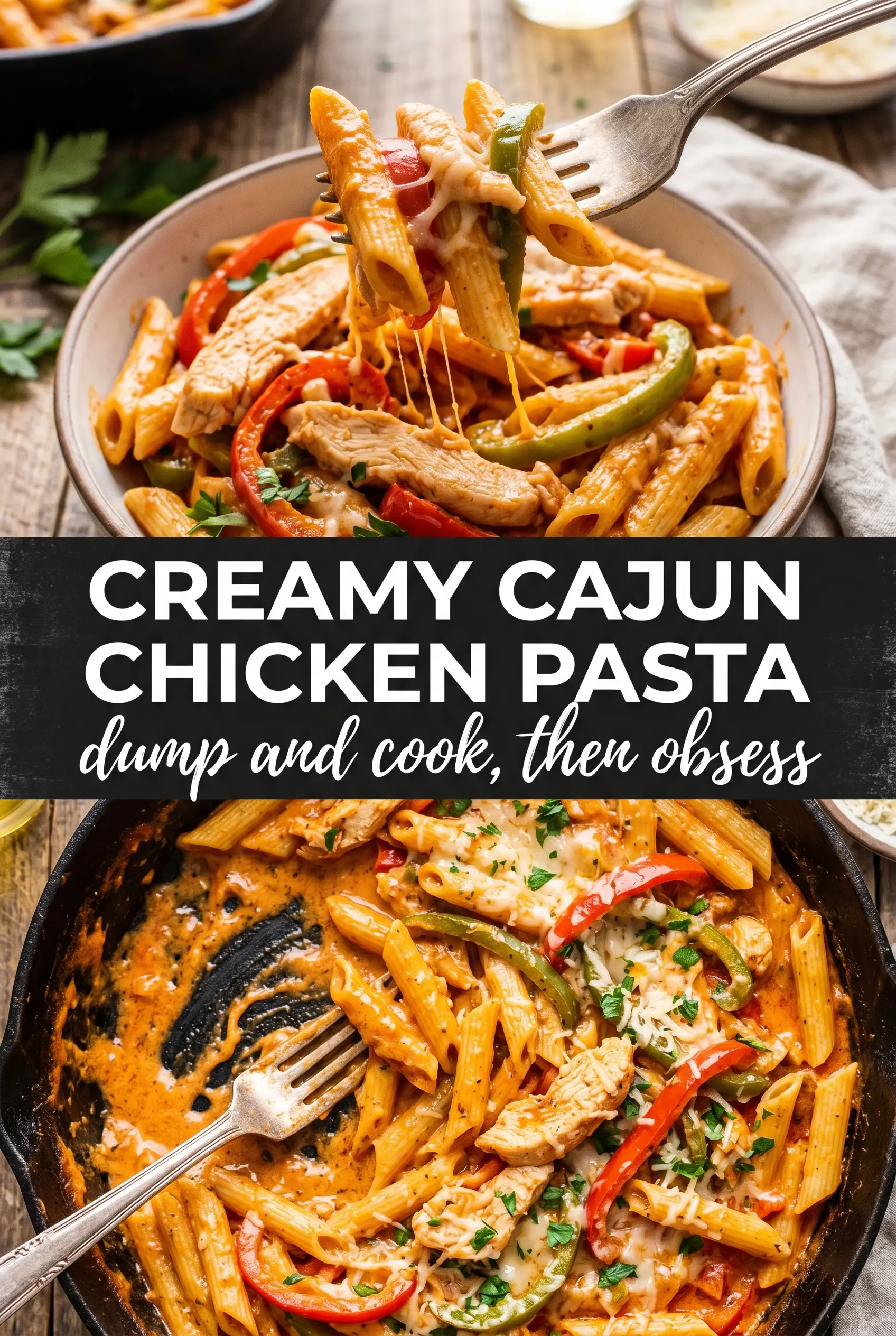
Creamy Cajun Chicken Pasta
Ingredients
Equipment
Method
- Bring salted water to a boil and cook penne until al dente, about 9–11 minutes. Reserve 1/2 cup pasta water, then drain the pasta and set aside.
- Toss chicken strips with 1 tablespoon Cajun seasoning. Heat olive oil in a large skillet over high heat and sear chicken for 4–5 minutes until deeply blackened and cooked, then set aside with a visible dark sear crust.
- Melt butter in the same skillet and sauté red and yellow bell peppers for 3–4 minutes. Add garlic and the remaining Cajun seasoning and cook 1 minute, until fragrant and lightly charred on the edges.
- Add chicken broth and heavy cream to the skillet and simmer for 4–5 minutes. Stir until the sauce looks slightly thickened and coats the back of a spoon.
- Stir in parmesan until melted, then toss in the drained pasta and reserved blackened chicken. Add pasta water as needed to make the sauce cling to every piece, then serve topped with fresh parsley.