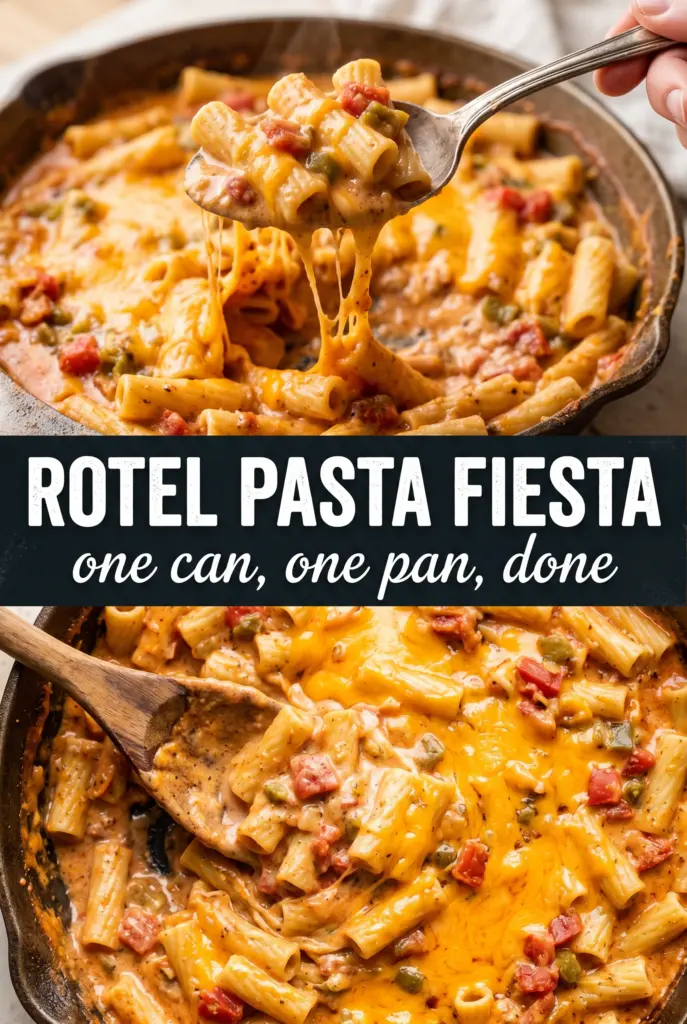
Rotini coated in a creamy, spicy cheese sauce is one of those dinners that disappears fast, and this Rotel Pasta Fiesta earns that kind of attention. The sauce clings to every spiral instead of sliding to the bottom of the bowl, and the mix of ground beef, black beans, and corn turns it into a full meal instead of just a pasta side dish. It’s bold, comforting, and built for people who want dinner to taste like it took more effort than it did.
The key is keeping the sauce balanced: enough broth to loosen the taco seasoning, enough cream to smooth out the tomatoes, and enough cheddar to give it that thick, glossy finish. Rotel brings the heat and acidity, but it’s the cheese and a little reserved pasta water that make everything come together instead of turning heavy. Cook the pasta just to al dente so it can finish in the sauce without getting soft and bloated.
Below you’ll find the little details that matter most, including how to keep the cheese sauce smooth and what to change if you want to stretch the dish a different way.
The sauce got thick and creamy without turning grainy, and the Rotel gave it just enough kick. I added a splash of pasta water at the end and it coated the rotini perfectly.
Save this Rotel Pasta Fiesta for the nights when you want a creamy Tex-Mex pasta with beef, beans, and a cheddar sauce that clings to every bite.
The Part That Keeps the Cheese Sauce From Turning Heavy
The mistake most people make with Rotel pasta is rushing the cheese into a pan that’s too hot. That’s how you get a sauce that looks smooth for a second, then turns grainy or greasy once it starts to simmer too hard. In this recipe, the broth and cream do the work of loosening everything first, and the cheddar goes in only after the heat has been lowered enough to melt it gently.
Another thing that matters here is the pasta shape. Rotini earns its place because the spirals trap the sauce, bits of beef, and little pieces of bean in every bite. Flat noodles or long pasta can work, but they don’t hold onto the chunky sauce the same way, which changes the whole feel of the dish.
- Let the beef mixture simmer before the cheese goes in — that gives the Rotel time to lose its sharp edge and lets the taco seasoning dissolve into the base instead of tasting dusty.
- Shred your own cheddar if you can — bagged shredded cheese often has anti-caking starches that can make the sauce less silky.
- Reserve the pasta water — a splash at the end helps the sauce coat the rotini instead of sitting thick and clumpy in the pan.
- Drain excess beef fat — too much grease can keep the cheese from emulsifying cleanly.
What Each Ingredient Is Doing in the Pan
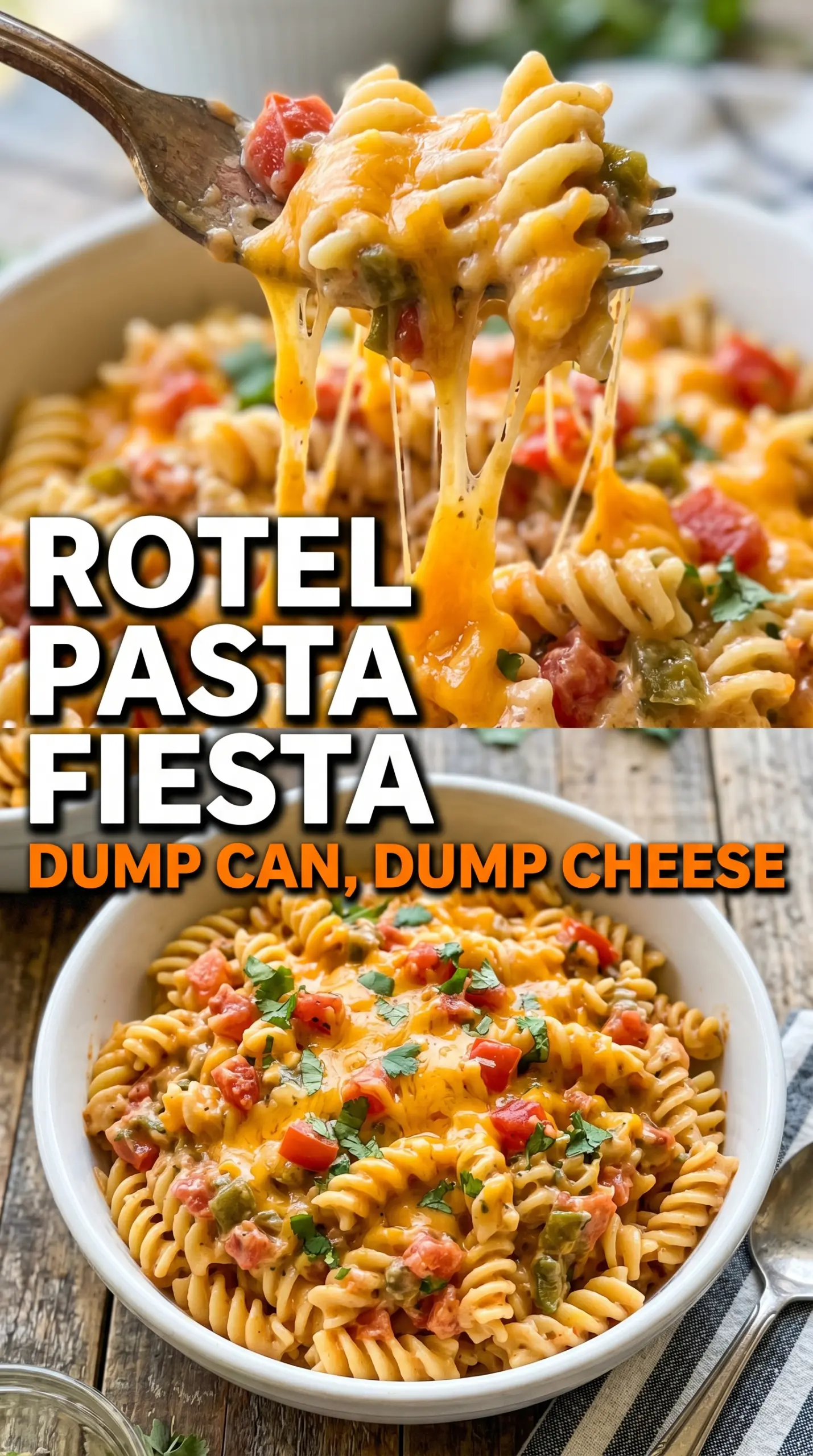
- Rotel tomatoes with green chiles — this is the signature flavor. The tomatoes bring acidity and juiciness, while the chiles add just enough heat to keep the sauce lively. Plain diced tomatoes won’t give the same punch.
- Ground beef — it makes the dish hearty and gives the sauce a savory base. Lean beef is fine, but if it’s very lean you may want a little extra oil in the pan so the onions brown properly.
- Taco seasoning — this pulls the whole Tex-Mex direction together fast. A packet works, but if yours is salty, hold back on the final seasoning until the cheese is in.
- Heavy cream and cheddar — cream softens the Rotel, and cheddar gives the sauce body. Half-and-half can work in a pinch, but the sauce will be thinner and needs a little more care over low heat.
- Black beans and corn — these add texture and make the pasta feel like a full skillet meal. Thawed frozen corn is ideal because it stays sweet and bright instead of turning mushy.
- Rotini — the shape matters more than people think. It catches the sauce in the curves, which is what makes each bite taste loaded instead of plain.
Building the Fiesta Sauce Without Breaking It
Brown the Beef and Onion First
Cook the ground beef and onion over medium-high heat until the beef has lost its pink color and the onion looks soft with a little browning at the edges. That browning gives the dish depth, and if you crowd the pan or keep the heat too low, you’ll end up steaming instead of browning. Drain off the excess fat before the garlic goes in, because garlic burns fast once the pan is hot and greasy.
Let the Rotel and Broth Reduce Together
Once the garlic and taco seasoning have gone in for a minute, add the Rotel, beans, corn, and broth and let it simmer for about 5 minutes. You want the sauce to thicken slightly and lose the raw, watery edge from the canned tomatoes. If it still looks thin at this stage, don’t add more cheese yet; keep simmering until the liquid reduces a bit.
Finish With Cream and Cheese Off the Heat
Stir in the heavy cream, bring the pan just back to a gentle simmer, then lower the heat before adding the cheddar. Stir until the cheese melts into a glossy sauce, not a bubbling one. If the sauce starts looking oily or grainy, the pan was too hot, so pull it off the burner for a minute and stir in a splash of broth or pasta water to bring it back together.
Toss the Pasta Until Every Spiral Is Coated
Add the drained rotini and toss until the sauce clings evenly. A little reserved pasta water is the fix if the skillet looks too tight, and it’s better than adding plain broth at the end because the starchy water helps the sauce stick. Finish with cilantro and extra cheddar while the pasta is still hot so the topping melts slightly into the surface.
How to Make This Rotel Pasta Work for Different Kitchens
Make it vegetarian
Swap the ground beef for an extra can of black beans or a plant-based crumble. Use vegetable broth instead of beef broth. The dish will still be hearty, but it loses a little of the savory depth that beef brings, so a pinch of smoked paprika helps fill that gap.
Make it lighter without losing the creamy finish
Use half-and-half instead of heavy cream and reduce the cheddar by about 1/2 cup. The sauce will still coat the pasta, but it won’t be quite as rich or thick. Keep the heat low so the dairy doesn’t separate.
Use a different pasta shape
Penne, shells, and cavatappi all work well because they trap the sauce. Long noodles don’t hold the beans and beef as evenly, so the dish feels less cohesive. If you use a smaller shape, hold back a little pasta water until you see how thick the sauce is.
Storage and Reheating
- Refrigerator: Store leftovers in an airtight container for up to 4 days. The sauce will thicken as it sits, and the pasta will absorb some of the liquid.
- Freezer: It freezes well for about 2 months, though the cream sauce may loosen a little after thawing. Cool it completely before freezing in portions.
- Reheating: Warm it gently on the stove or in the microwave with a splash of broth, milk, or water. High heat can split the cheese sauce, so reheat slowly and stir often.
Questions I Get Asked About This Recipe
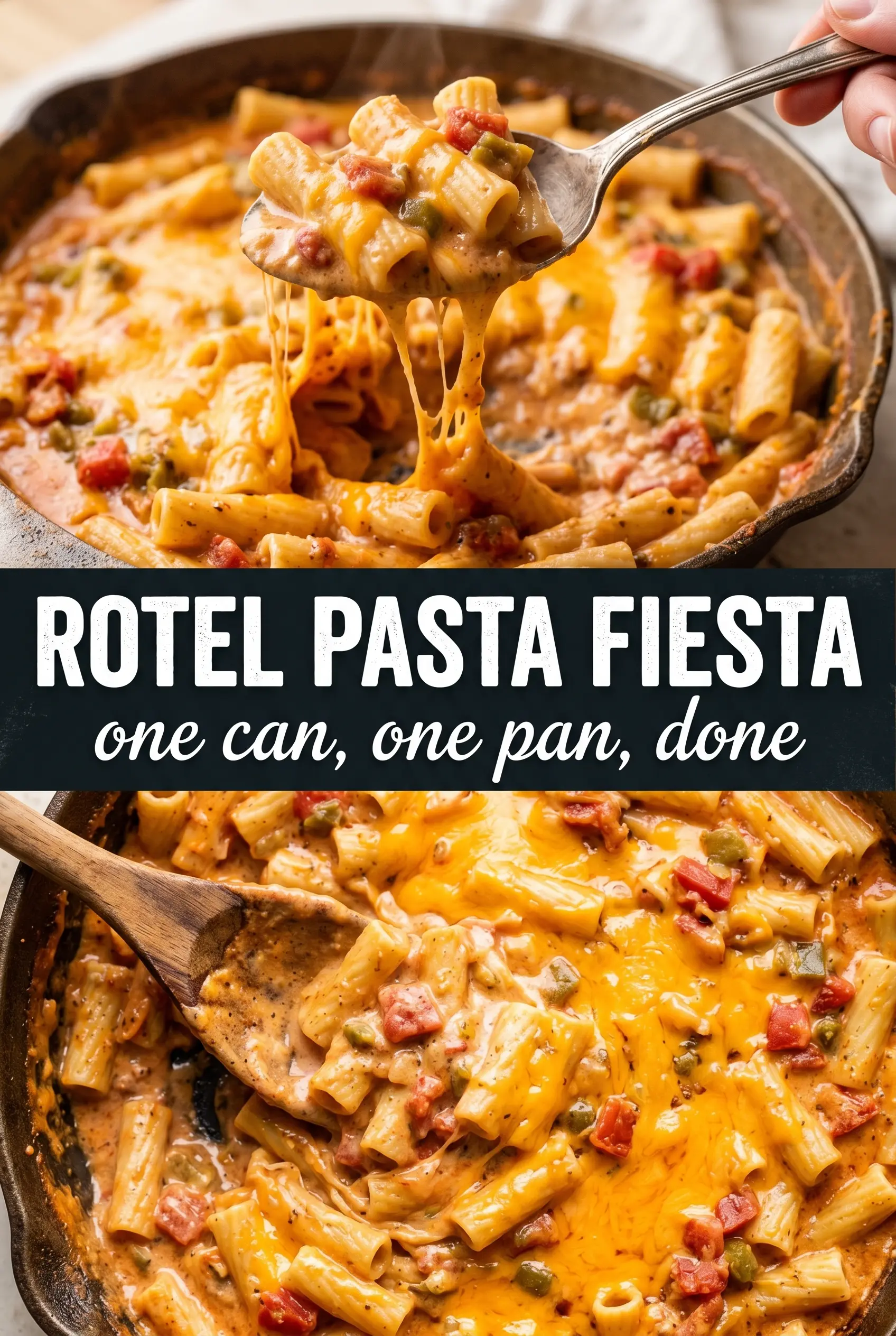
Rotel Pasta Fiesta
Ingredients
Equipment
Method
- Bring a large pot of salted water to a boil and cook rotini until al dente, about 9–11 minutes. Reserve 1/2 cup pasta water, then drain and set the pasta aside.
- Heat a wide skillet over medium-high heat and cook ground beef with diced onion until browned, about 6–8 minutes. Drain excess fat, then add minced garlic and taco seasoning and cook for 1 minute, stirring until fragrant.
- Stir in Rotel tomatoes with green chiles, black beans, corn, and beef broth. Simmer for 5 minutes, keeping the mixture bubbling gently.
- Reduce heat to medium and stir in heavy cream until it reaches a simmer, about 1–2 minutes. Stir in shredded cheddar and cook until fully melted and smooth, about 1–2 minutes.
- Add the drained rotini to the skillet and toss until every spiral is coated, adding reserved pasta water as needed to loosen the sauce. Taste and add salt if needed, then serve topped with fresh cilantro and extra cheddar.