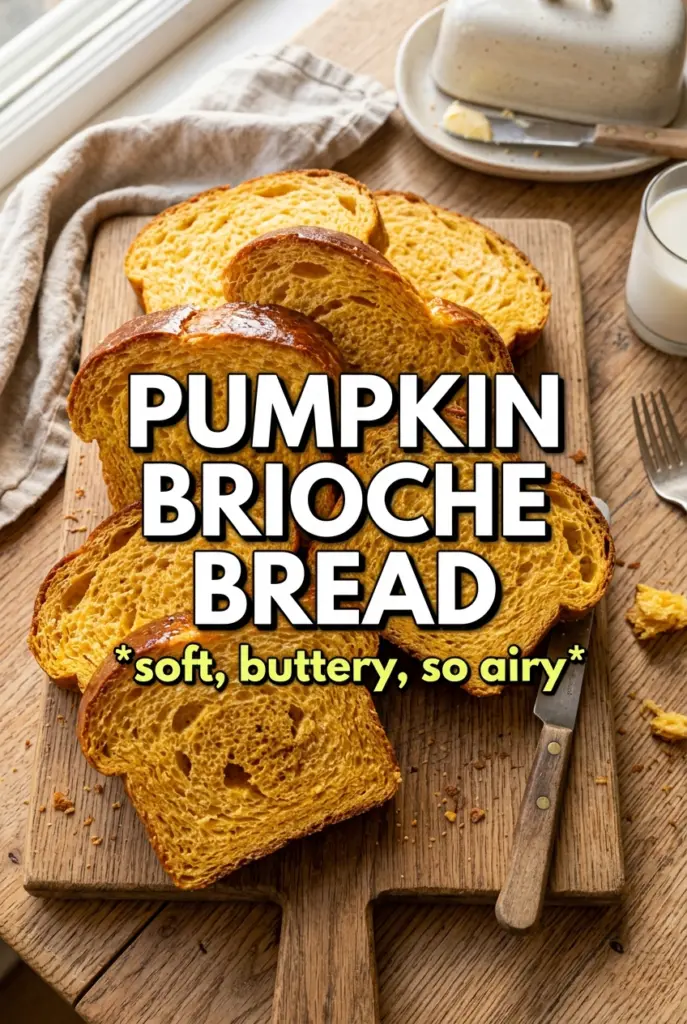
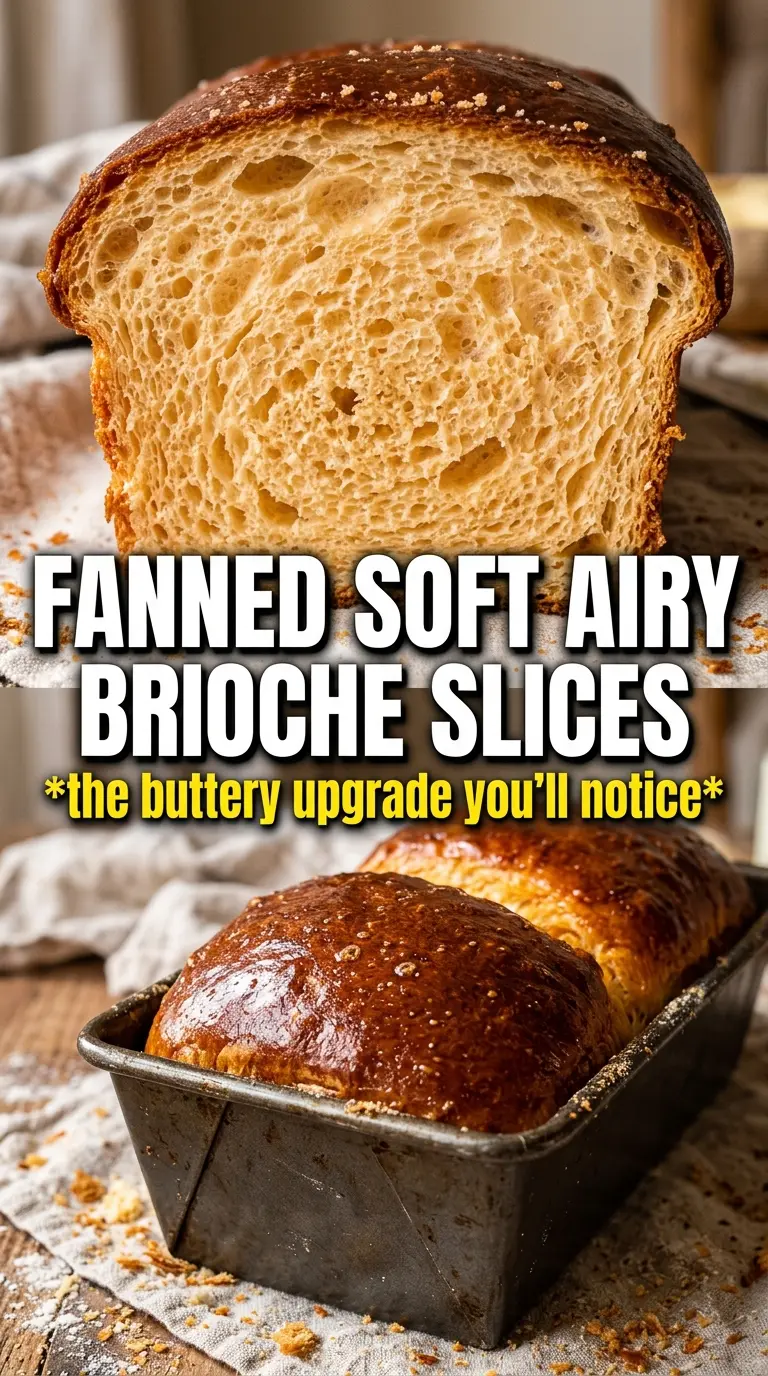
Pumpkin brioche bread bakes into the kind of loaf that disappears slice by slice while it’s still warm. The crumb stays feather-soft and rich, with a golden-orange tint from the pumpkin and a gentle spice note that never crowds out the butter. It slices cleanly after cooling, but the first torn piece has that stretchy, pillowy texture that tells you the dough was handled the right way.
What makes this version work is the slow addition of butter and the patience it takes to let the dough fully hydrate before shaping. Brioche wants time. The dough will look loose at first, then smoother and more elastic once the butter is absorbed and the gluten has had a chance to develop. Pumpkin puree adds moisture and color, but it also softens the structure, so this loaf depends on a strong initial mix and a full rise to keep the crumb light instead of dense.
Below, I’ve included the small details that matter most: how to know the dough is ready for butter, what the overnight rest changes, and how to get that deep, bakery-style finish without overbaking the loaf.
The dough was soft but still easy to shape after the chill, and the loaf rose into the fluffiest brioche crumb I’ve made at home. The pumpkin spice came through without making it taste like cake.
Save this pumpkin brioche bread for when you want a softly spiced loaf with a plush, buttery crumb and bakery-style slices.
The Mistake That Makes Brioche Feel Heavy Instead of Pillow-Soft
The biggest problem with enriched dough is rushing the mixing stage. If the flour, eggs, pumpkin, and milk aren’t fully combined before the butter goes in, the dough never builds enough strength to hold onto air. That’s when you end up with a loaf that bakes up tight and a little greasy instead of light and tender.
This dough should look smooth before you start adding butter, and that butter needs to disappear one piece at a time. If you toss it all in at once, the dough slumps and smears around the bowl. Give each addition time to blend in fully, and the dough will turn glossy, stretchy, and much easier to trust during the rise.
- Instant yeast — This keeps the rise predictable and fast enough for a rich dough like brioche. Active dry yeast works too, but it will need a little extra time to wake up.
- Bread flour — The higher protein content gives the dough enough structure to support all that butter and pumpkin without collapsing. All-purpose flour can work in a pinch, but the loaf won’t have the same spring.
- Pumpkin puree — Use plain pumpkin puree, not pumpkin pie filling. If the puree seems watery, stir it first so the moisture is evenly distributed and you don’t accidentally loosen the dough too much.
- Butter — Softened butter is non-negotiable here. Cold butter won’t blend in properly, and melted butter changes the texture in a way brioche doesn’t forgive.
- Eggs — Room-temperature eggs mix in faster and help the dough emulsify. Cold eggs can slow everything down and make the butter seize for a minute before the dough comes back together.
What Each Ingredient Is Actually Doing in This Recipe
- Primary ingredient (the star) — Quality matters most. Choose the best you can find.
- Cooking medium (oil, butter, or broth) — This carries flavors and prevents dryness.
- Seasonings (salt, pepper, spices, herbs) — Layer flavors so nothing overpowers. Build depth gradually.
- Aromatics (garlic, onion, herbs) — Cook with fat to bloom flavors. Become the foundation.
- Supporting ingredients — Complement the main ingredient without overpowering it.
- Sauce or liquid (if applicable) — Brings flavors together. Balance richness with acid.
- Acid (lemon, vinegar, wine, or other) — Brightens and prevents flat-tasting results.
- Final finish (garnish, glaze, or sauce) — Prevents one-dimensional taste and adds visual appeal.
Building the Dough So It Stays Silky, Not Sticky
Starting the Base
Whisk the dry ingredients together first so the yeast, spice, and salt are evenly distributed through the flour. Add the pumpkin, eggs, and warm milk, then mix until the dough turns smooth and cohesive. It will still look soft, but it shouldn’t look shaggy or dry anywhere. If you stop too early, the butter has nowhere to go later and the dough stays uneven.
Working the Butter In Slowly
Add the softened butter a tablespoon at a time and wait for each piece to disappear before adding the next. This is the part that builds the signature brioche texture, and it takes patience. The dough may look loose, glossy, and a little messy for several minutes before it tightens up. If it looks soupy, keep mixing; if it clings to the bowl but still stretches, you’re on track.
Letting the Rise Do the Heavy Lifting
Once the butter is fully incorporated, cover the dough and let it rise until doubled. Rich dough rises more slowly than lean dough, so don’t judge it by the clock alone. It should look puffy and lighter when you press a fingertip into it. If it hasn’t expanded enough, the finished loaf will bake up compact no matter how good the mixing was.
Shaping, Proofing, and Baking
Turn the dough onto a lightly floured surface, shape it into a loaf, and place it in a greased 9×5-inch pan. The second rise is where the loaf earns its height, so wait until the dough crowns nicely above the rim before brushing on the egg wash. Bake until deeply golden and the top feels set; underbaking leaves you with a gummy center, especially because pumpkin holds moisture. Cool the loaf completely before slicing so the crumb can set cleanly instead of tearing.
How to Adapt This Loaf for a Different Table or a Different Pantry
Make It Ahead Overnight
After the first rise, cover the dough and refrigerate it overnight. The cold rest makes the dough easier to shape and deepens the flavor a little, especially in an enriched loaf like this one. Bring it close to room temperature before the second rise so it can proof evenly in the pan.
Dairy-Free Version
Use a rich plant butter that behaves like regular butter and swap in an unsweetened non-dairy milk. The loaf will still be tender, but the flavor will be slightly less creamy and the crumb a touch less plush than the original.
Bread Flour vs. All-Purpose Flour
All-purpose flour can work if that’s what you have, but the loaf will be softer and slightly less structured. If you use it, hold back a tablespoon or two of milk at the start and add only if the dough feels too stiff, because all-purpose flour absorbs a little less than bread flour.
Storage and Reheating
- Refrigerator: Store wrapped tightly for up to 4 days. The crumb will firm up a bit in the fridge, but the texture stays good.
- Freezer: Slice and freeze the loaf for up to 2 months. Wrap well, then tuck slices into a freezer bag so you can pull out what you need.
- Reheating: Toast slices straight from frozen or warm whole slices in a low oven. Don’t microwave the bread for too long or the buttery crumb can turn rubbery instead of soft.
Answers to the Questions Worth Asking
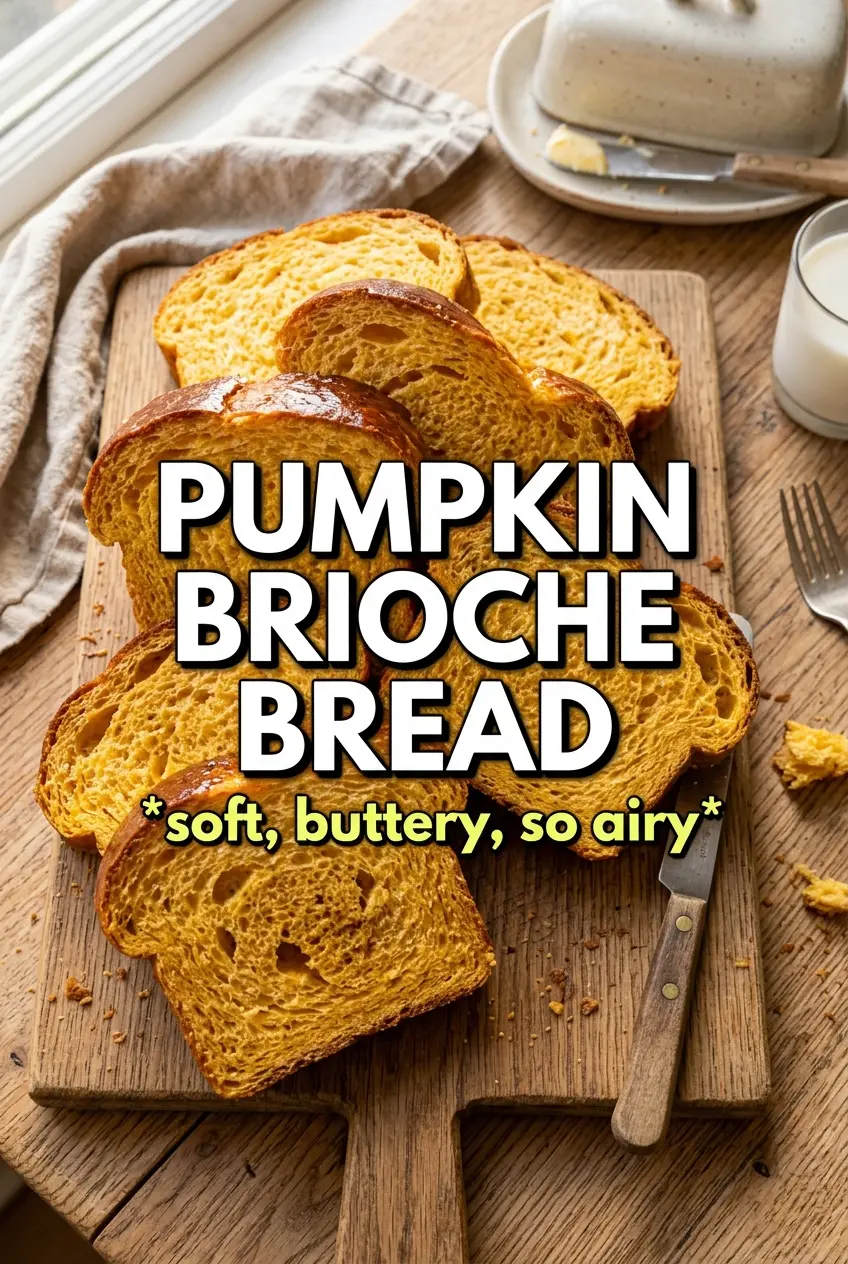
Pumpkin Brioche Bread
Ingredients
Equipment
Method
- Whisk bread flour, granulated sugar, instant yeast, pumpkin pie spice, cinnamon, and salt in a stand mixer with the dough hook until evenly combined.
- Add pumpkin puree, eggs, and warm milk, then mix on medium until a smooth dough forms, about 5 minutes.
- Add softened unsalted butter 1 tablespoon at a time, waiting until each piece is incorporated before adding the next; mix until the dough is soft and silky, 10-15 minutes.
- Cover the dough and let it rise until doubled, about 1.5 hours, until puffy and airy.
- Refrigerate overnight or shape immediately: place dough in a greased 9x5 pan and cover.
- Let the dough rise in the pan until it looks swollen and fills out, 1.5 hours.
- Heat the oven to 375°F and brush the top with egg wash.
- Bake at 375°F for 30-35 minutes, until deeply golden and fragrant.
- Cool completely before slicing so the crumb sets cleanly.