
Silky tomato soup gets a lot more satisfying when white beans blend right into the base. The texture stays smooth and lush, but the bowl suddenly has enough body to count as a main dish instead of a side. A little honey rounds out the acidity, and the final swirl of Greek yogurt or cream gives it that finished, restaurant-style look without making it heavy.
The trick here is building flavor before the tomatoes go in. Onion, garlic, and tomato paste need a few minutes in the pot so the soup tastes cooked, not canned. The beans disappear completely once blended, which is exactly what you want: extra protein, no chalky texture, and no obvious bean flavor. If you’ve ever had tomato soup that felt thin or sharp, this version fixes both problems.
Below, I’ll walk you through the point where most tomato soups go flat, plus the one step that keeps the dairy from curdling at the end. It’s a simple pot of soup, but a couple of small choices make it taste like you worked harder than you did.
The beans blended in completely and made the soup thick enough to feel like a meal. I also loved that the cream stirred in at the end stayed smooth instead of turning grainy.
Save this high protein tomato soup for the nights when you want a creamy bowl that actually keeps you full.
The Reason This Tomato Soup Eats Like a Main Dish
Most tomato soups lean on cream alone for body, which works until you want something that feels substantial enough for dinner. Here, the white beans do the heavy lifting. Once they’re blended into the tomatoes, they add thickness and protein without turning the soup into a bean soup.
The other thing that matters is managing acidity. Canned tomatoes can taste sharp if you stop at the simmer. A tablespoon of honey or sugar softens that edge, and the yogurt or cream at the end rounds everything out. The result is tomato soup with a smoother, fuller finish instead of a tinny one.
- White beans — These disappear into the soup and give it body. Cannellini or great northern beans both work well, and canned beans are perfect here because they’re already soft enough to blend completely smooth.
- Tomato paste — This deepens the tomato flavor before the liquid goes in. Cook it with the onion and garlic for a minute or two so it loses that raw, metallic taste.
- Greek yogurt or cream — Both give you a richer finish, but they behave differently. Cream is the safest choice if you want zero fuss. Greek yogurt adds a little tang and more protein, but it has to go in off the heat so it stays smooth.
- Whole plum tomatoes — They’re worth using instead of diced tomatoes because they blend into a silkier soup. If you only have diced, the soup will still work, but it may need a little extra blending time to get fully smooth.
What Each Ingredient Is Actually Doing in This Recipe
- Primary ingredient (the star) — Quality matters most. Choose the best you can find.
- Cooking medium (oil, butter, or broth) — This carries flavors and prevents dryness.
- Seasonings (salt, pepper, spices, herbs) — Layer flavors so nothing overpowers. Build depth gradually.
- Aromatics (garlic, onion, herbs) — Cook with fat to bloom flavors. Become the foundation.
- Supporting ingredients — Complement the main ingredient without overpowering it.
- Sauce or liquid (if applicable) — Brings flavors together. Balance richness with acid.
- Acid (lemon, vinegar, wine, or other) — Brightens and prevents flat-tasting results.
- Final finish (garnish, glaze, or sauce) — Prevents one-dimensional taste and adds visual appeal.
How to Build the Soup So It Stays Smooth and Balanced
Softening the Onion First
Cook the onion in olive oil until it turns translucent and loses its raw bite. That takes about 5 minutes over medium heat. If the onion starts browning hard, lower the heat; browned onion can push the soup in a sweeter direction than you probably want. The goal is softness, not color.
Cooking Out the Tomato Paste
Stir in the garlic and tomato paste and let them cook for about 2 minutes. The paste should darken a shade and smell a little sweeter, not burnt. This small step matters because raw tomato paste tastes flat, while cooked paste gives the soup a deeper, more concentrated base.
Simmering Before You Blend
Add the tomatoes, beans, broth, basil, oregano, and red pepper flakes, then simmer for 20 minutes. You want the tomatoes to collapse easily when pressed against the pot. If the soup tastes thin after simmering, it usually needs a few more minutes uncovered so some liquid cooks off before blending.
Blending Into a Velvety Finish
Blend the soup completely smooth with an immersion blender. Move it around the pot and keep going until there are no bean flecks left. If you use a countertop blender, work in batches and vent the lid slightly so steam can escape. A half-blended soup looks rustic; a fully blended soup tastes polished and creamy.
Finishing Without Curdling
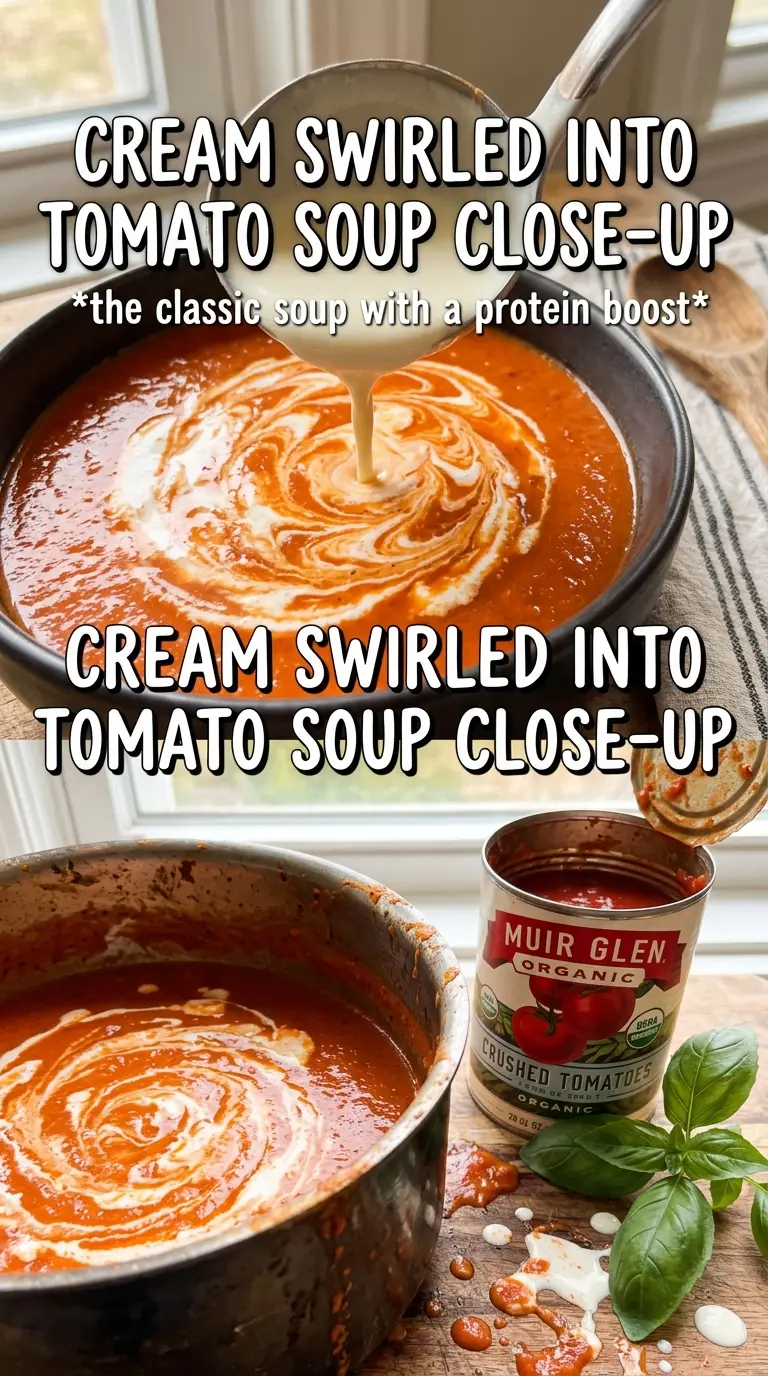
Take the pot off the heat before stirring in the Greek yogurt or cream. Hot soup plus yogurt on the stove is where curdling starts. Add the dairy slowly and stir until it disappears into the soup. Taste at the end and adjust salt, pepper, and honey only after the dairy goes in, because the final balance shifts a little once the soup turns richer.
How to Adapt This Soup for Different Kitchens and Different Nights
Dairy-Free Version
Use vegetable broth and finish with a splash of unsweetened cashew cream or oat cream instead of Greek yogurt or dairy cream. You’ll lose the slight tang from yogurt, but the soup stays silky and rich. Add a tiny squeeze of lemon at the end if you want that same bright edge.
Extra-Protein Bowl
Use Greek yogurt instead of cream and top each bowl with a little extra yogurt plus pumpkin seeds or shredded chicken. The soup already has a good protein base from the beans, so this turns it into a sturdier lunch or post-workout meal without changing the flavor much.
Roasted Tomato Upgrade
If you want a deeper, sweeter tomato flavor, roast the canned tomatoes in a shallow baking dish at 425°F for about 20 minutes before adding them to the pot. This adds a little extra time, but it gives the soup a more concentrated taste and cuts some of the canned edge.
Storage and Reheating
- Refrigerator: Keeps for 4 days in a sealed container. It thickens as it sits, so expect a slightly denser texture the next day.
- Freezer: Freezes well before the dairy goes in. Freeze the soup base, then stir in the cream or yogurt after reheating for the smoothest result.
- Reheating: Warm it gently over low heat and stir often. If you added yogurt or cream before storing, don’t boil it hard or the texture can turn grainy.
Answers to the Questions Worth Asking

High Protein Tomato Soup
Ingredients
Equipment
Method
- Heat the olive oil in a large pot over medium heat, then sauté the onion for 5 minutes, stirring until softened and slightly translucent.
- Add the garlic and tomato paste and cook for 2 minutes, stirring constantly, until fragrant and darker red in color.
- Add the canned tomatoes, white beans, broth, dried basil, dried oregano, and red pepper flakes, and stir to combine.
- Bring to a simmer and cook for 20 minutes, letting flavors meld while the soup reduces slightly.
- Blend completely smooth using an immersion blender, pausing to scrape the sides until no bean or tomato chunks remain.
- Stir in the honey (or sugar) and season with salt and pepper to taste.
- Remove from heat, then stir in the Greek yogurt or cream until fully incorporated and creamy-looking.
- Serve hot with fresh basil on top.