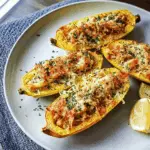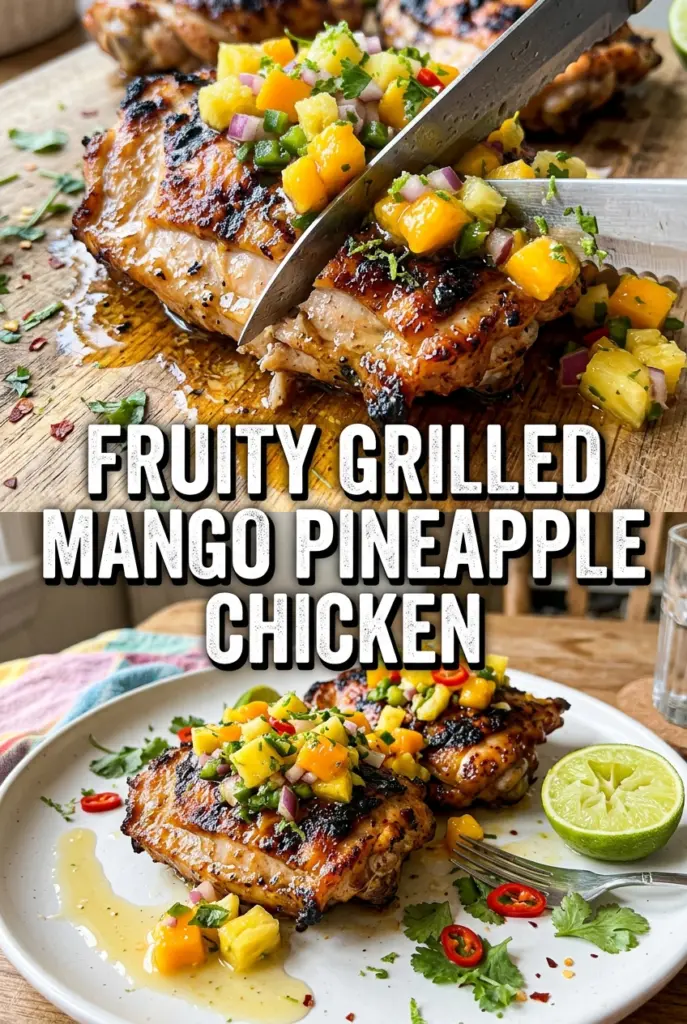
Grilled mango pineapple chicken lands with the kind of sweet-smoky finish that makes people go back for a second piece before they’ve finished the first. The chicken gets lacquered with a sticky tropical glaze, the edges char just enough to taste like the grill, and the fruit on the side turns the whole plate into something bright, juicy, and balanced instead of just sweet.
What keeps this version from turning cloying is the lime juice and garlic in the marinade. Mango brings body, pineapple brings sharp acidity and enough natural enzyme power to help the surface of the chicken take on flavor, and honey helps the glaze caramelize instead of drying out on the grill. I’ve found that saving a little marinade for basting gives you that glossy finish without crowding the meat in too much sauce from the start.
Below, I’ve included the little details that matter most: how long to marinate without losing the chicken’s texture, how to keep the glaze from burning, and the easiest swaps if you only have thighs or canned fruit on hand.
The glaze thickened up beautifully on the grill and the pineapple slices caramelized without falling apart. I used thighs and they stayed juicy even after basting.
Like this grilled mango pineapple chicken? Save it to Pinterest for the nights when you want sticky tropical chicken with caramelized fruit and almost no cleanup.
The Marinade Needs Enough Acid to Work, Not Enough to Turn the Chicken Mushy
The biggest mistake with fruit marinades is treating them like they can sit forever. Pineapple juice is useful because it brings brightness and helps the surface of the chicken take on flavor, but if you leave the chicken in it for too long, the texture can get soft in an unpleasant way. Two to six hours is the sweet spot here. That gives you flavor and tenderness without crossing into that mealy, over-marinated zone.
The other detail that matters is heat management on the grill. The honey and mango puree want to caramelize, which is what gives you that glossy finish, but they can burn if the flames are too high or if you start basting too early. Let the chicken develop grill marks first, then brush on the reserved marinade near the end so it reduces into a sticky glaze instead of a bitter crust.
What Each Ingredient Is Actually Doing in the Glaze
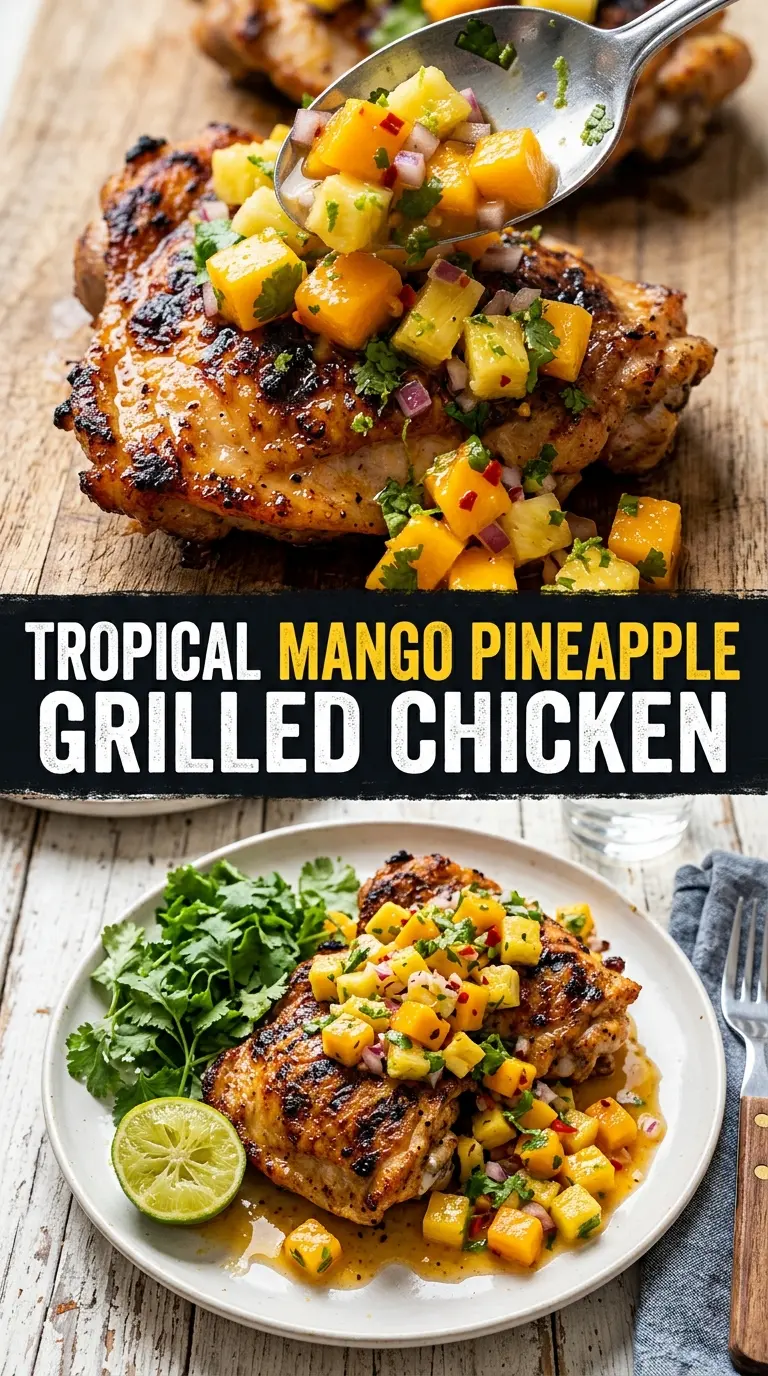
- Mango puree — This gives the marinade its body and keeps the glaze clingy instead of watery. Fresh or frozen mango both work; just blend it smooth so it coats the chicken evenly.
- Pineapple juice — It adds sharp fruitiness and helps the marinade penetrate. Bottled juice is fine here, but skip anything labeled cocktail or heavily sweetened, or the chicken will taste one-note.
- Honey — Honey is what helps the surface caramelize on the grill. If you swap in maple syrup, the flavor gets deeper and less tropical, and the glaze will brown a little faster.
- Lime juice — This keeps the marinade from tasting flat and balances the sweetness. Fresh lime matters more than bottled because the bright, aromatic edge shows up in the finished glaze.
- Garlic and ginger — These are the savory backbone. Without them, the dish turns into grilled fruit sauce on chicken instead of a proper main dish.
- Chicken thighs or breasts — Thighs stay juicier and forgive a little extra grill time; breasts slice cleaner and cook faster. If you use breasts, pound them to an even thickness so the thinner end doesn’t dry out before the center is done.
Getting the Char Before the Glaze Turns Sticky
Building the Marinade
Blend the mango puree, pineapple juice, honey, lime juice, garlic, ginger, salt, and pepper until smooth. The marinade should look loose enough to pour but thick enough to cling to the chicken. If the mango is fibrous, strain it or blend it longer, because stringy bits can burn on the grill before the glaze has time to set.
Marinating Without Overdoing It
Coat the chicken well and refrigerate it for at least 2 hours. You can go up to 6 hours, but I wouldn’t push past that with pineapple in the mix. Pull the chicken out while the grill heats so it’s not ice-cold in the center, which helps it cook more evenly and keeps the outside from overbrowning before the middle is done.
Grilling and Basting at the Right Moment
Grill the chicken over medium-high heat until you see defined grill marks and it releases easily from the grates. If it sticks, it’s not ready to flip yet. Start brushing on the reserved marinade during the last few minutes of cooking, then keep turning and basting until the glaze looks shiny and lightly caramelized. Discard any leftover raw marinade from the bowl unless it was reserved before touching the chicken.
Finishing the Fruit
Grill the mango and pineapple slices just long enough to mark them and warm them through, about 2 minutes per side. They should soften slightly and pick up color, not collapse. Serve them right away with the chicken, because that contrast between smoky meat and hot juicy fruit is what makes the plate work.
How to Adjust This for Different Grills, Cuts, and Diet Needs
Use chicken thighs for the juiciest result
Thighs are the safer choice if your grill runs hot or unevenly. They handle extra basting and a little more char without drying out, and the richer meat stands up well to the sweet-tart glaze.
Make it dairy-free and gluten-free without changing the method
This recipe already fits both of those needs as written, as long as your pineapple juice and honey are plain and your seasonings are clean. That makes it an easy main dish when you need something widely friendly without a separate version.
Swap in canned fruit when fresh mango isn’t available
Canned mango can stand in for fresh fruit in the marinade if it’s packed in juice, not syrup. The flavor will be a little softer and sweeter, so keep the lime juice in place to stop the glaze from tasting flat.
Cook it on a grill pan if you’re indoors
A heavy grill pan gives you the right kind of browning, but you’ll need to watch the basting more closely because indoor heat can spike fast. Keep the pan at medium-high, and don’t crowd the chicken or the marinade will steam instead of caramelize.
Storage and Reheating
- Refrigerator: Store leftovers for up to 4 days. The glaze softens a little, but the flavor holds well.
- Freezer: The cooked chicken freezes well for up to 2 months, though the fruit is best grilled fresh. Freeze in slices with a little sauce to protect the meat from drying out.
- Reheating: Reheat gently in a covered skillet over low heat or in a 300°F oven until warmed through. High heat will tighten the chicken and turn the glaze sticky in the wrong way.
Answers to the Questions Worth Asking
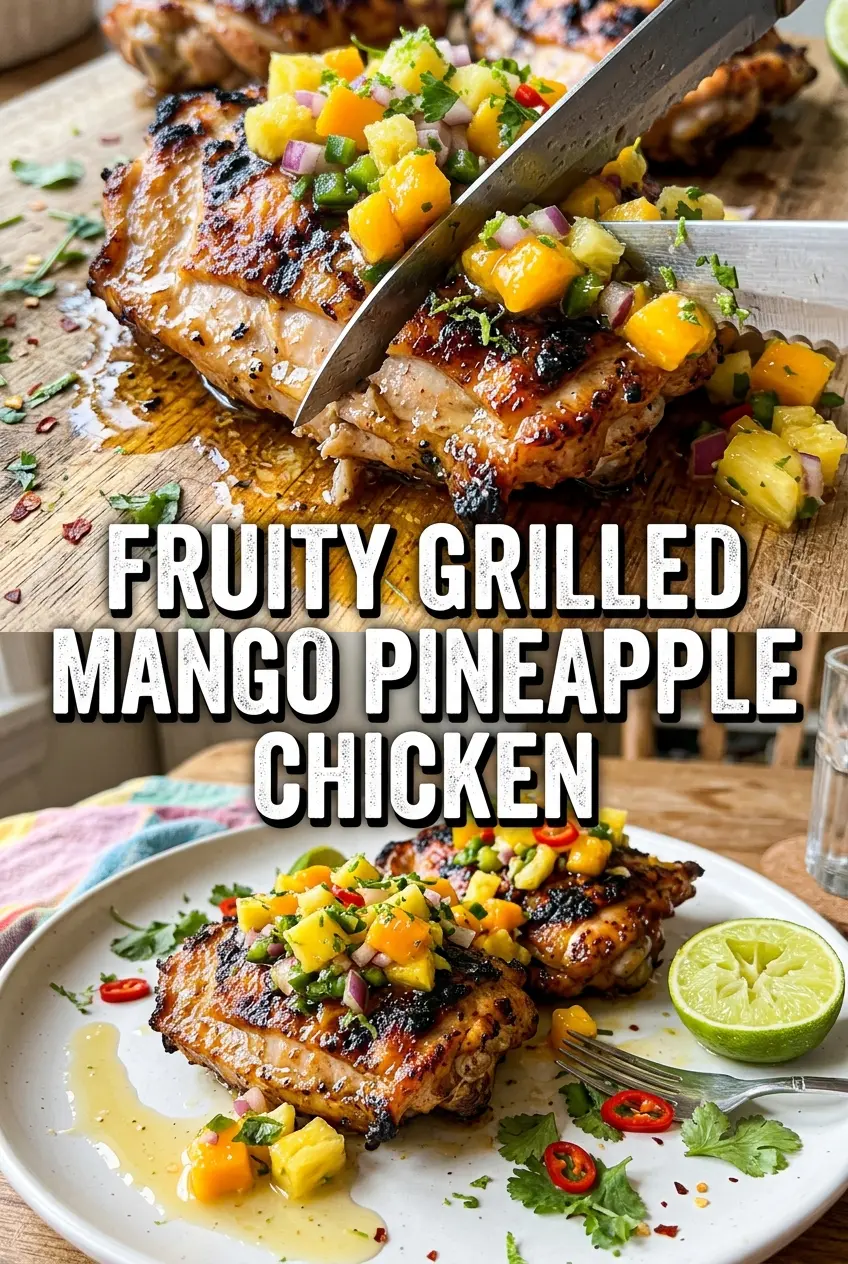
Grilled Mango Pineapple Chicken
Ingredients
Equipment
Method
- Blend mango puree, pineapple juice, honey, lime juice, garlic, ginger, salt, and pepper until smooth, with no garlic or ginger chunks visible.
- Reserve 1/2 cup of the marinade for basting and set it aside so you can brush it on the chicken during grilling.
- Marinate the chicken for 2-6 hours, keeping it covered in the refrigerator until the surface looks evenly coated.
- Preheat the grill to medium-high heat and set it up for direct grilling so the grates sizzle on contact.
- Grill the chicken for 6-7 minutes per side, basting with the reserved marinade during grilling until the glaze looks caramelized and the chicken reaches safe doneness.
- Grill the fresh mango and pineapple slices for 2 minutes per side, until grill marks appear and the fruit looks glossy and lightly browned.
- Serve the chicken with the grilled fruit, spooning over any fruit juices for a sticky tropical finish.