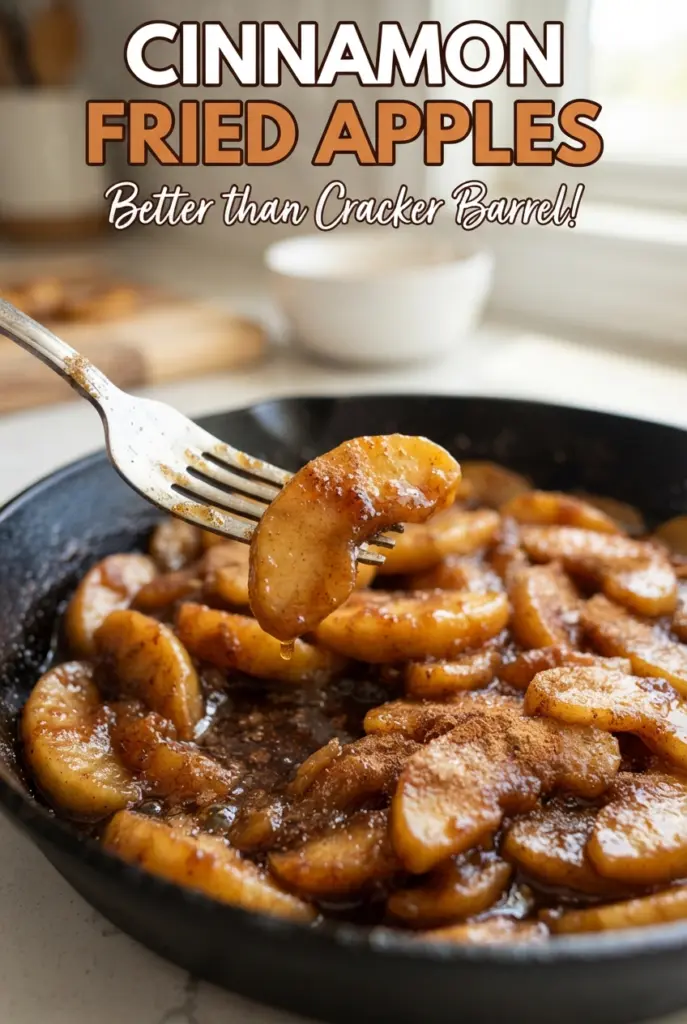
Warm cinnamon fried apples hit the table with soft edges, tender centers, and a glossy brown sugar sauce that clings to every slice. They’re the kind of side dish that disappears fast because they taste like dessert without crossing the line into anything fussy. The apples stay intact instead of turning to mush, and the sauce thickens just enough to coat the pan-fried fruit without becoming gluey.
The trick is starting with firm apples and letting them steam briefly under a lid before the cornstarch goes in. That gives you tender fruit first, then a sauce that tightens up at the end instead of thinning out and slipping off the apples. Butter carries the cinnamon and nutmeg, while a small splash of vanilla at the finish rounds out the sweetness and keeps the flavor from tasting flat.
Below, I’ll walk through the small details that matter most: which apples hold their shape, why the sauce needs that short simmer, and what to change if you want these a little less sweet or a little more spiced.
The apples held their shape and the sauce thickened into this shiny, spoonable coating instead of getting watery. I served them over pork chops and my husband went back for seconds.
Save these cinnamon fried apples for the nights you want a glossy Southern-style side with tender fruit and a buttery brown sugar sauce.
The Reason These Apples Stay Tender Instead of Turning to Applesauce
The biggest mistake with fried apples is pushing the heat too high and cooking them uncovered from the start. The slices lose their shape before the sugar has a chance to dissolve, and the pan ends up full of soft apple bits in thin syrup. Covering the skillet for the first part of the cook traps enough steam to soften the apples evenly while the butter, sugar, and spices melt into a proper glaze.
The cornstarch goes in only after the fruit has already turned tender. If you add it too early, the sauce can turn pasty before the apples finish cooking. A short simmer after the slurry goes in is enough to turn the liquid glossy and spoon-coating without making it gummy.
What Each Ingredient Is Doing in the Pan
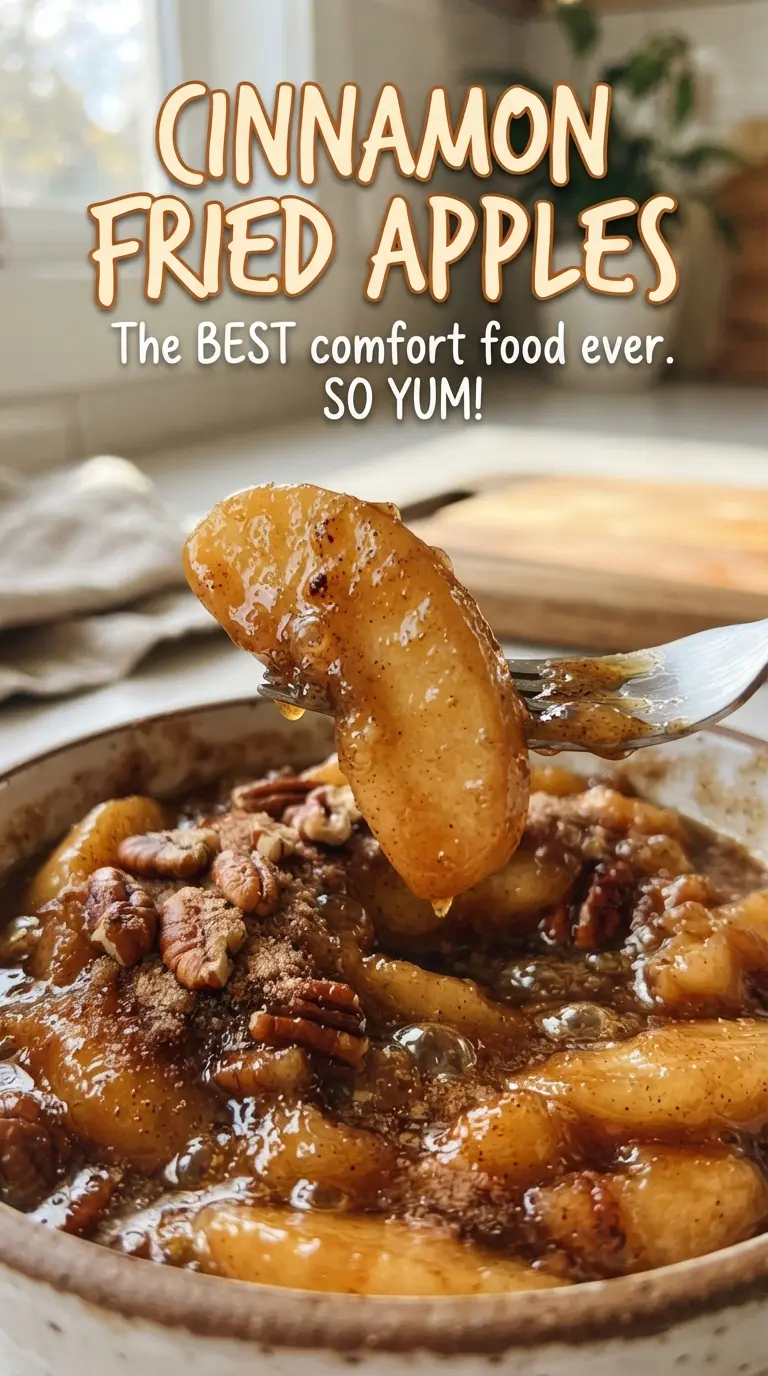
- Firm apples — Honeycrisp keeps a pleasant bite and Granny Smith brings a sharper, tarter finish. Softer apples break down too fast, so if you swap in a mealy variety, expect a looser, more jammy result.
- Butter — This is what gives the sauce its roundness and helps the cinnamon bloom. I wouldn’t replace it with oil unless you’re fine with a flatter taste and a thinner finish.
- Brown sugar — Packed brown sugar melts into that caramel-like syrup you want on the spoon. White sugar will sweeten the apples, but it won’t bring the same deep molasses note.
- Cinnamon and nutmeg — Cinnamon does most of the work here, while nutmeg adds a warm background note that keeps the dish from tasting one-dimensional. If you only have cinnamon, the recipe still works; the nutmeg just adds a little more depth.
- Cornstarch slurry — This is the step that turns the juices into a glossy sauce instead of a watery puddle. Arrowroot can stand in, but use a little less and keep the simmer gentle so the sauce doesn’t thin back out.
- Vanilla — Stirred in at the end, it softens the sharp edges of the spice and makes the sauce smell like something baking, even though it never goes in the oven.
How to Build the Sauce So It Clings to Every Slice
Melting the Butter and Warming the Spices
Start with a large skillet and medium heat, then let the butter melt without browning hard. Once the apples, brown sugar, cinnamon, nutmeg, and salt hit the pan, stir until every slice looks coated and glossy. If the heat is too high here, the sugar can catch before the apples have a chance to soften, and that gives you scorched spots instead of a clean syrup.
Steaming the Apples Until Just Tender
Cover the skillet and cook the apples for 8 to 10 minutes, stirring now and then so the bottom slices don’t overcook. You’re looking for apples that bend slightly when pressed with a spoon but still hold their shape. If the lid is off, the moisture evaporates too quickly and the apples stay firm while the sugars get sticky.
Thickening the Sauce at the End
Whisk the cornstarch with water until smooth, then pour it into the skillet and stir it through the hot juices. Let the mixture simmer for 2 to 3 minutes until the sauce turns shiny and lightly thickened. Don’t walk away during this part; cornstarch goes from thin to thick fast, and pulling it too soon leaves you with a sauce that feels runny on the plate.
Finishing With Vanilla
Stir in the vanilla after the heat has done its job. If it goes in too early, some of the aroma cooks off and the finish tastes a little dull. Served warm, the apples should be tender, coated, and spoonable, with just enough sauce left in the pan to chase with a biscuit or drizzle over pork.
How to Adapt These Fried Apples Without Losing the Gloss
Make Them Less Sweet
Cut the brown sugar back by a tablespoon or two and lean on Granny Smith apples for more tartness. The sauce will still thicken, but the flavor lands more on the side of a savory-sweet side dish than a dessert topping.
Dairy-Free Fried Apples
Use a good dairy-free butter that melts cleanly and tastes neutral. You’ll still get a glossy sauce, though it may be a touch less rich than the original because butter adds body as well as flavor.
Use Them as a Topping
Keep the apples just a little saucier if you plan to spoon them over pancakes, waffles, oatmeal, or ice cream. Let them simmer for the full 3 minutes after adding the cornstarch, then keep them warm on the lowest heat so the syrup stays pourable.
Storage and Reheating
- Refrigerator: Store in an airtight container for up to 4 days. The sauce will thicken as it chills.
- Freezer: It freezes, but the apples soften more after thawing, so the texture is best when freshly made. Freeze in a flat container for up to 2 months.
- Reheating: Warm gently in a skillet over low heat with a splash of water to loosen the sauce. High heat can make the apples collapse and can turn the thickened syrup grainy.
Questions I Get Asked About This Recipe
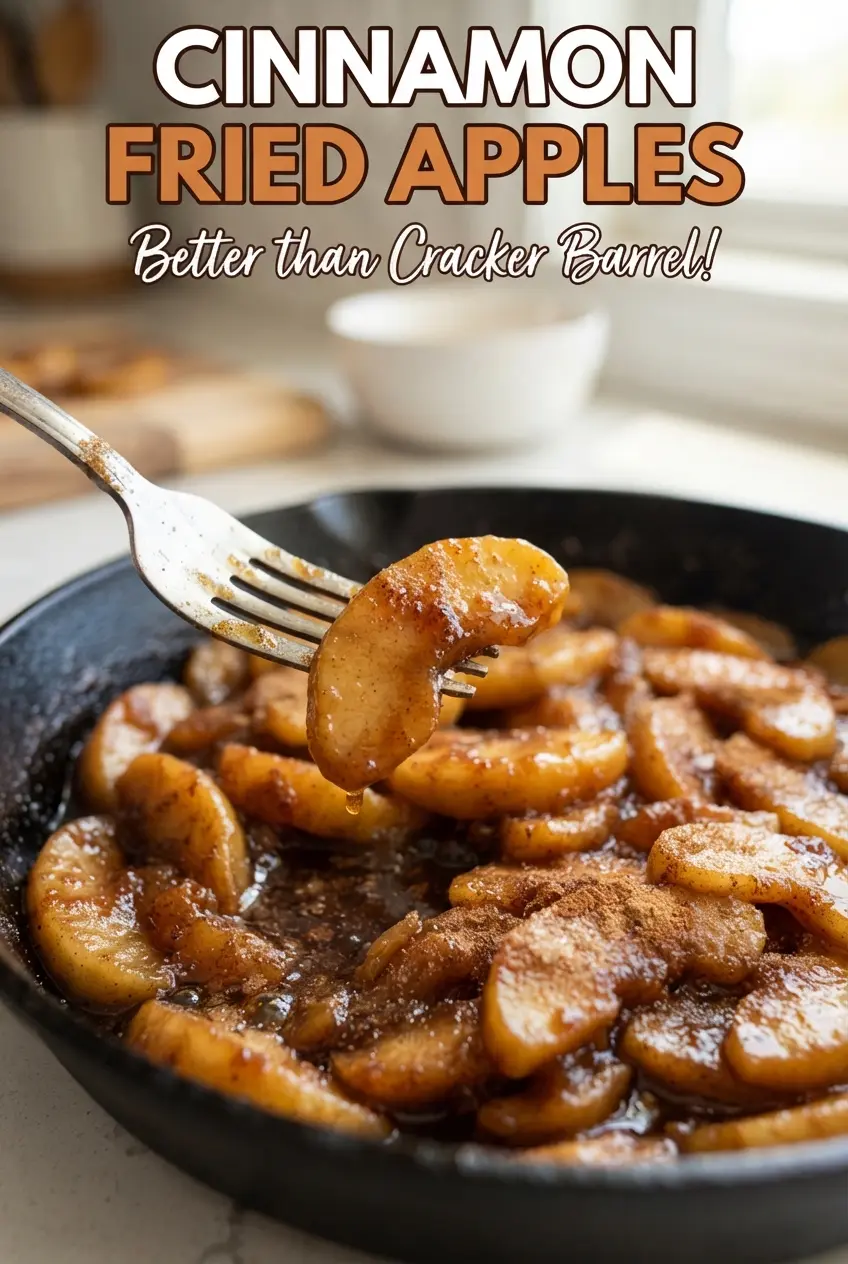
Cinnamon Fried Apples
Ingredients
Equipment
Method
- Melt the butter in a large skillet over medium heat. Let it melt until it starts to look foamy at the edges.
- Add the sliced firm apples, brown sugar, ground cinnamon, nutmeg, and salt—stir to coat the slices. Keep stirring so the sugar clings to the apples with a sandy coating.
- Cover and cook for 8-10 minutes over medium heat, stirring occasionally, until the apples are just tender. Look for steam lifting from under the lid and apples that yield when pressed.
- Whisk the cornstarch with the water until smooth, then pour into the skillet. Stir immediately so no lumps form and the mixture spreads through the syrupy juices.
- Simmer for 2-3 minutes, stirring, until the sauce thickens and turns glossy. Watch for a slow, spoon-coating consistency with visible sheen.
- Stir in the vanilla extract and serve warm. The sauce should look smooth and thick enough to cling to the apple slices.