Golden-seared Greek chicken tenders bring the kind of bright, savory punch that makes a plain weeknight dinner feel pulled together without much effort. The lemon, oregano, and garlic cling to the chicken in a way that tastes fresh on the first bite and deeper and more caramelized at the edges, where the skillet does its best work.
What makes this version work is the short marinade and the hot pan. The lemon adds lift, but the 20-minute rest is just long enough to season the chicken without turning the surface mushy. A little smoked paprika and cumin round out the herbs without pushing the flavor away from Greek territory, and tzatziki underneath the chicken cools everything down in the best way.
Below, I’ve included the small details that matter here: how to keep the chicken juicy, what to do if your marinade seems too sharp, and a few easy ways to serve it so the whole plate tastes intentional.
The lemon garlic marinade gave the chicken a bright crust, and mine was perfectly cooked in about 3 minutes per side. I served it with tzatziki and pita, and even the leftovers stayed juicy the next day.
Save these Greek chicken tenders for a fast lemon-oregano dinner with crispy edges and creamy tzatziki.
The Trick to Keeping the Lemon Bright Without Turning the Chicken Watery
The biggest mistake with lemon-marinated chicken is leaving it in the acid too long and expecting the pan to fix it later. Lemon juice works fast. Twenty minutes is enough to season the surface and give you that sharp, fresh edge without softening the tenders into something mealy. If you’ve ever had chicken that tasted strangely dull after marinating, it was probably sitting in citrus far longer than it needed.
The other piece is heat. These tenders need a hot skillet or grill pan so the outside sets quickly and picks up color before the juices have a chance to run. If the pan is only medium, the chicken will steam in its own marinade and you’ll lose that crisp, browned crust that makes this dish worth making.
- Olive oil — It carries the lemon and herbs across the chicken and helps the surface brown. Use a decent everyday olive oil here; this isn’t the place for your most delicate finishing oil.
- Fresh lemon juice and zest — The juice brings brightness, but the zest is what keeps the flavor from tasting thin. Don’t skip the zest unless you have to.
- Dried oregano — This is the backbone of the Greek flavor. Fresh oregano can work, but dried oregano gives a steadier, more concentrated hit in a short marinade.
- Smoked paprika and cumin — These don’t make the chicken taste smoky or spicy; they deepen the marinade so it tastes rounded instead of one-note.
- Tzatziki — The creamy, cool base is more than garnish. It balances the salt, acid, and browning on the chicken and turns the whole plate into something worth serving with pita.
What Each Ingredient Is Actually Doing in This Chicken Dish
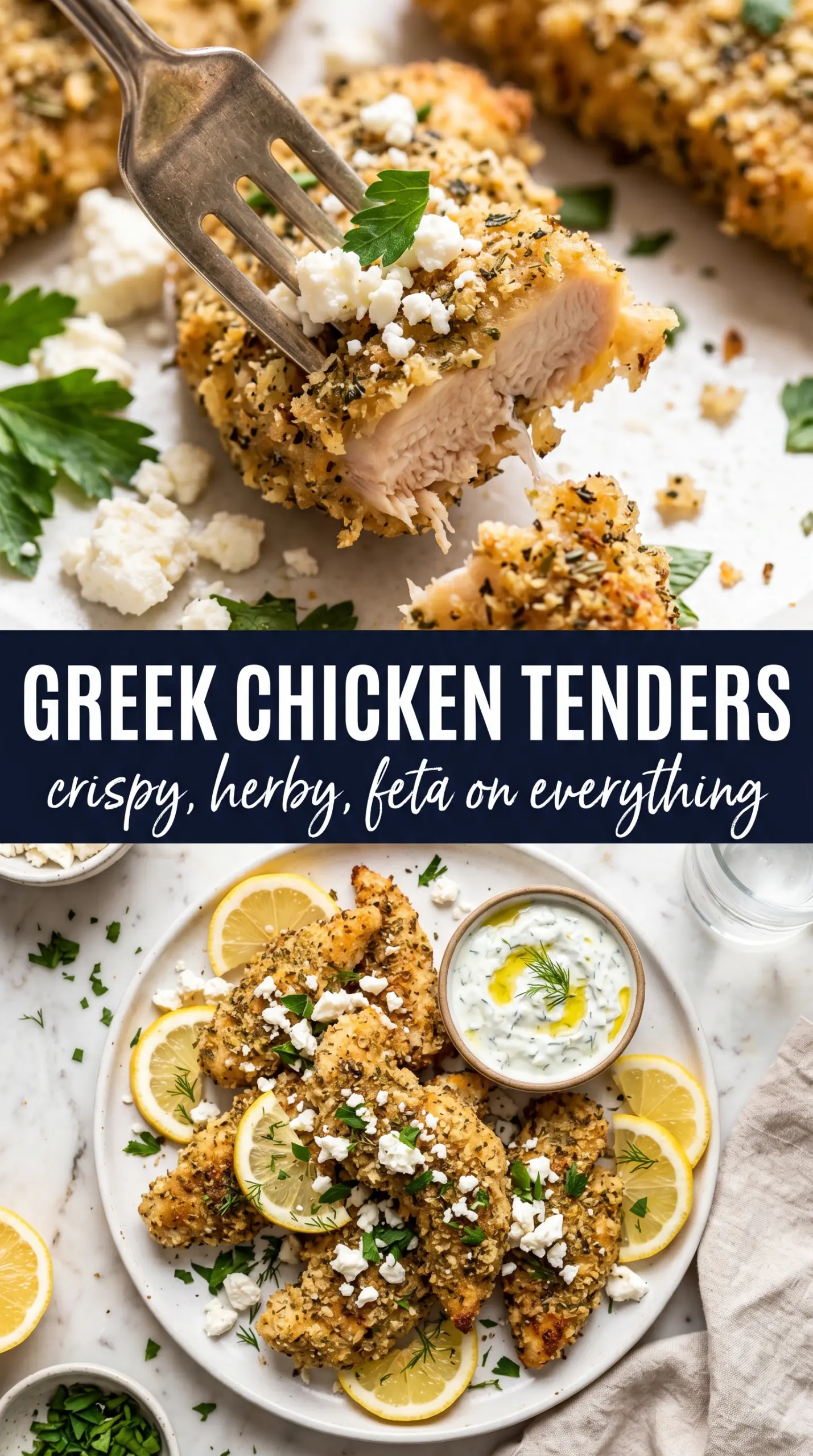
- Chicken (bone-in or boneless, skin-on or skinless) — Each cut has different cooking times and flavor profiles. Let thighs reach 165°F; breasts dry out if overcooked past that.
- Sauce or braising liquid (the moisture keeper) — This prevents the chicken from drying out and adds flavor. Don’t skip it even if the recipe seems moist.
- Aromatics (garlic, onion, herbs) — These add depth and complexity. Cook them with fat so they soften and sweeten instead of staying sharp.
- Cream or butter (optional richness) — These make the dish luxurious. Add to the sauce off the boil so it stays smooth instead of breaking.
- Cheese (if using) — This adds umami and richness. Mix into the sauce or sprinkle on top; either works depending on the dish.
- Acid (lemon, vinegar, wine, or tomato) — This prevents heavy sauces from tasting flat. Add at the end so the brightness doesn’t cook off.
- Proper temperature (165°F is perfect) — Use a thermometer to avoid guessing. Pull slightly early if the chicken will rest or finish in residual heat.
- Resting time (at least 5 minutes) — This lets juices redistribute so the meat stays moist when you cut into it instead of running dry.
Marinating, Searing, and Serving the Tenders the Right Way
Whisk the Marinade Until It Clings
Start by whisking the olive oil, lemon juice, zest, garlic, oregano, paprika, cumin, salt, and pepper until the mixture looks emulsified and a little cloudy. That helps the seasonings coat the chicken instead of sliding off in the bowl. Toss the tenders until every piece looks slick and evenly flecked with herbs, then let them rest for 20 minutes. If you leave them much longer, the lemon starts working against the texture instead of for it.
Get the Pan Hot Before the Chicken Goes In
Warm a large skillet or grill pan over medium-high heat and add just enough olive oil to film the surface. The oil should shimmer before the chicken touches it. If you drop the tenders into a lukewarm pan, they’ll sit there and pale instead of sear, and the marinade will pool underneath them. You want an immediate sizzle the second they hit the pan.
Cook for Color, Not Guesswork
Lay the tenders in a single layer and leave space between them. Cook for 3 to 4 minutes on the first side until the edges turn golden and the chicken releases easily, then flip and cook the second side until the internal temperature reaches 165°F. If the chicken sticks hard, it’s not ready to turn yet. Pull it from the pan as soon as it’s done; overcooked tenders go from juicy to stringy fast.
Build the Plate Around the Tzatziki
Spread tzatziki across a platter before you arrange the chicken over it. That gives the dish a cooler, creamier base and catches the juices from the tenders. Finish with feta, olives, cucumber slices, dill, and lemon wedges. Warm pita on the side is the right move because it picks up both the chicken drippings and the tzatziki without getting soggy too quickly.
What to Change When You Want a Different Finish
Chicken thighs instead of tenders
Boneless, skinless thighs work if you want a richer bite and a little more forgiveness in the pan. They need a few extra minutes to cook through, and the final texture will be juicier and slightly less lean than tenders.
Dairy-free serving style
Skip the feta and use a dairy-free tzatziki or plain cucumber salad underneath the chicken. You lose a little richness, but the lemon, oregano, and garlic still carry the dish cleanly.
Make it gluten-free
The chicken itself is naturally gluten-free, so the only thing to watch is the sides. Serve with gluten-free pita or rice and keep the toppings simple; the marinade doesn’t need any adjustments.
Grill instead of pan-searing
A grill gives you more char and a little less sauce-like coating, but it’s a great move when you want smoke on the edges. Oil the grates well and watch the tenders closely; they cook fast and can dry out if you walk away.
Storage and Reheating
- Refrigerator: Store the chicken for up to 4 days. It stays usable for lunches, though the outside won’t be as crisp after chilling.
- Freezer: The cooked chicken freezes well for up to 2 months. Freeze it without the tzatziki, then thaw overnight in the fridge before reheating.
- Reheating: Warm the chicken in a covered skillet over low heat with a spoonful of water or broth, or use a 300°F oven until just heated through. High heat dries out tenders fast, so don’t blast them in the microwave unless you’re in a hurry and don’t mind losing the sear.
Questions I Get Asked About This Recipe
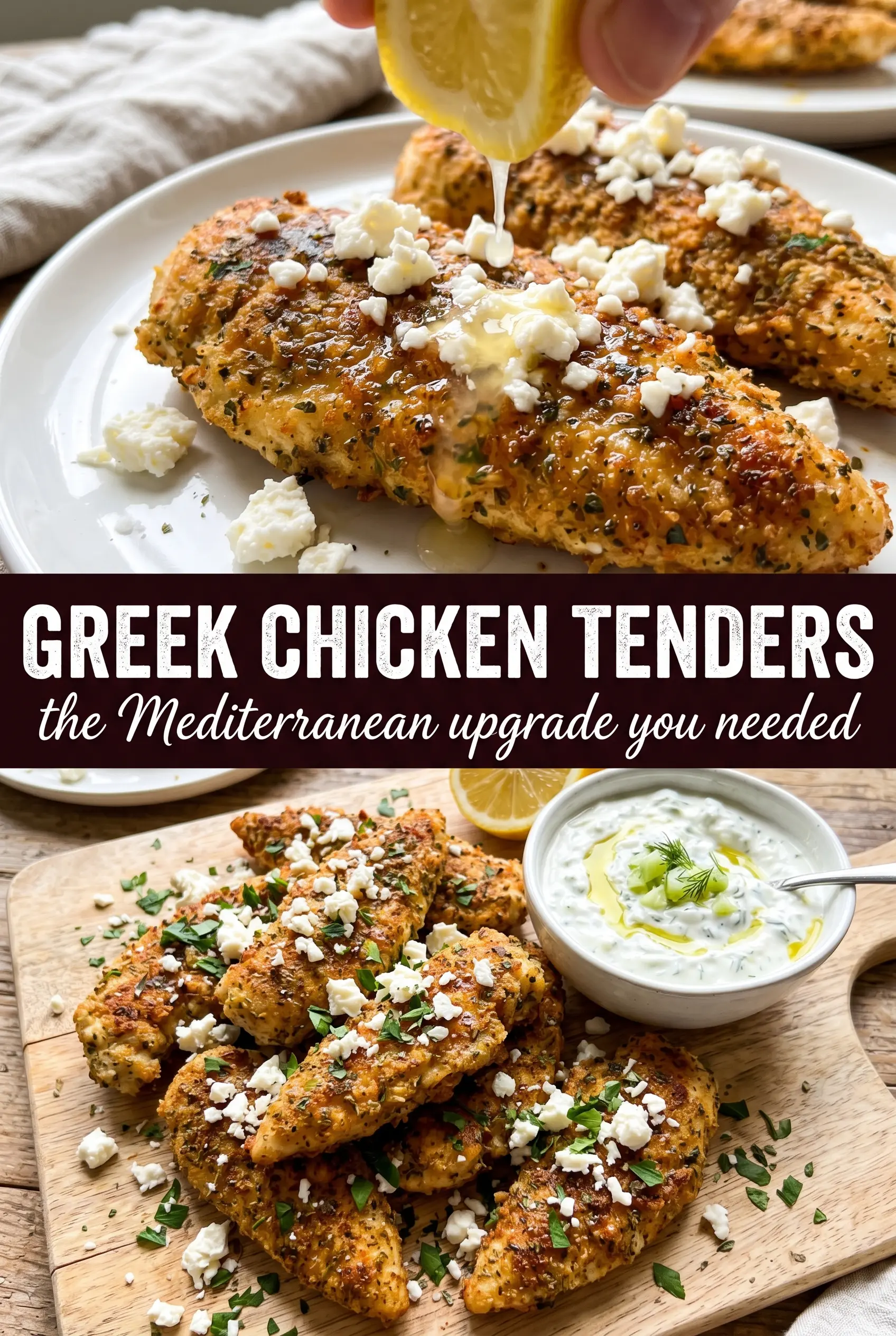
Greek Chicken Tenders
Ingredients
Equipment
Method
- Whisk together olive oil, lemon juice, lemon zest, garlic, dried oregano, smoked paprika, cumin, salt, and pepper until evenly combined, then toss the chicken tenders in the marinade.
- Rest the marinated chicken tenders for 20 minutes to absorb the flavors, then let any excess marinade drip back into the bowl (chilled if desired) .
- Heat a large skillet or grill pan over medium-high heat and add a drizzle of olive oil until shimmering.
- Cook chicken tenders for 3-4 minutes per side, flipping once, until golden with an internal temperature of 165°F when checked at the thickest part.
- Spread tzatziki on a serving platter to form a creamy base, then arrange the cooked chicken tenders on top.
- Scatter crumbled feta, Kalamata olives, cucumber slices, and fresh dill around the chicken for bright green and briny color cues.
- Serve immediately with warm pita and lemon wedges alongside for squeezing over the top.