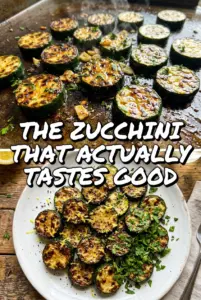
Charred zucchini coins with golden edges and a tender center are the kind of side dish that disappears before the main course is finished. The Blackstone gives zucchini the quick blast of heat it needs to pick up color fast, while the inside stays just soft enough to keep a little bite. A squeeze of lemon at the end keeps it from tasting flat, and the Parmesan melts into the hot rounds in the best way.
The trick is getting the griddle hot enough before the zucchini goes on. If the surface is only warm, the slices slump and turn watery before they ever brown. A light coating of olive oil helps the garlic and seasoning cling, but the real win is cooking the zucchini in a single layer so each round gets direct contact with the metal.
Below, I’ve included the little details that matter most: how to keep zucchini from turning mushy, when to add the Parmesan so it sticks instead of melting away, and a few easy variations for making this side fit whatever else is on the table.
The zucchini browned up fast on the griddle and stayed tender instead of going watery. The garlic and Parmesan combo was perfect, and the lemon at the end made the whole dish pop.
Charred Blackstone zucchini with Parmesan and basil deserves a spot in your Pinterest side-dish board for quick dinners that still look fresh and finished.
The Fastest Way to Keep Zucchini from Going Soft on the Griddle
Zucchini fails for one reason more than any other: it gives up water before it gets color. On a griddle, that turns into pale slices that steam in their own juices instead of taking on those crisp, browned edges everybody wants. Medium-high heat and a single layer fix most of that, because the hot metal sears the cut surface before the moisture can pool underneath.
Another thing that matters here is thickness. Quarter-inch rounds are the sweet spot. Thinner slices can overcook before they brown, and thicker ones tend to go floppy in the center before the outside gets any real color. The goal is tender with a little structure left in the middle, not collapsed zucchini that needs to be scooped off the cooktop.
What Each Ingredient Is Actually Doing in This Dish
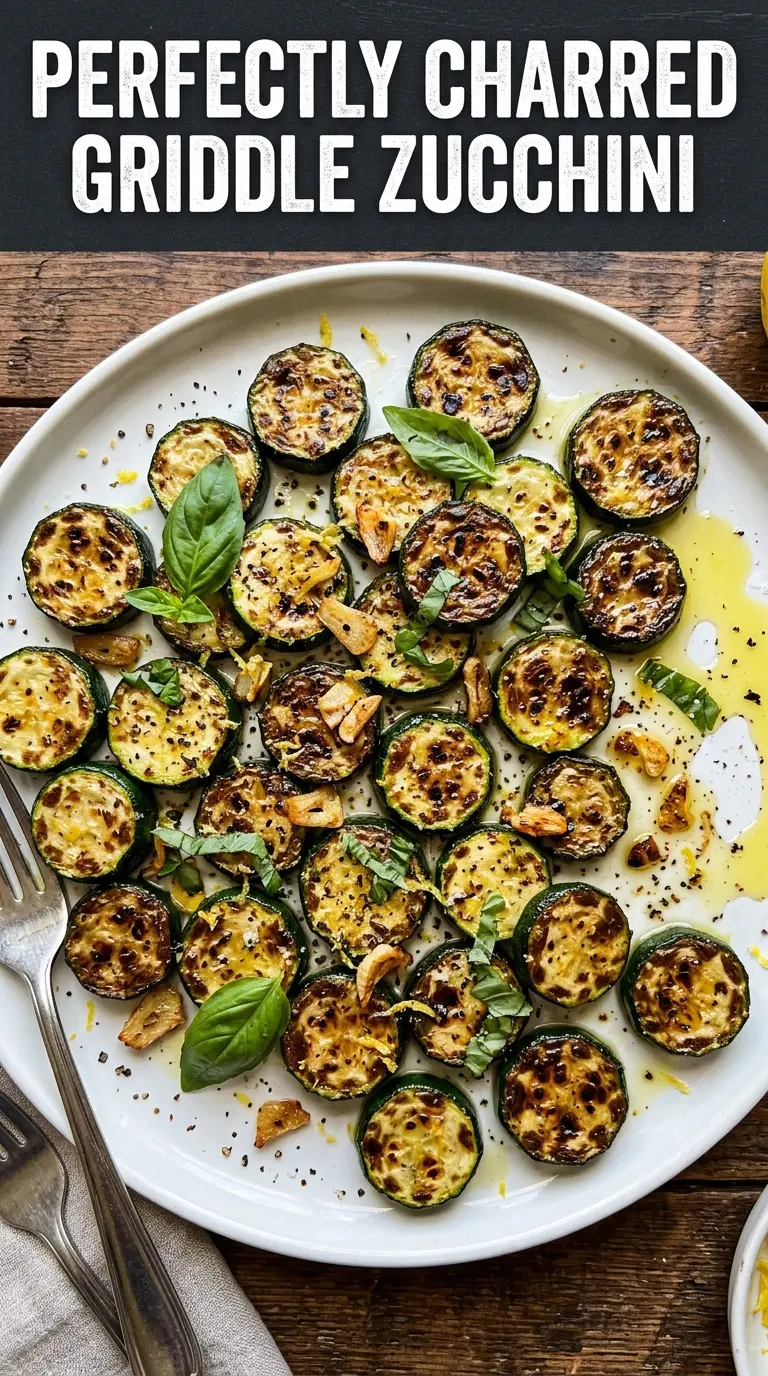
- Zucchini — Use firm, medium-to-large zucchini with smooth skin. Bigger ones are fine here because they’re sliced into rounds, but if the seeds are especially large and spongy, the centers can go soft faster than the edges.
- Olive oil — This helps the seasoning stick and promotes browning. You don’t need a heavy hand, just enough to coat the slices lightly; too much oil slows the browning and makes the zucchini greasy instead of lightly caramelized.
- Garlic — Fresh minced garlic gives the zucchini its punch, but it can burn on a hot griddle if it sits exposed. Toss it well with the oil so it clings to the rounds, and keep an eye on any stray bits on the surface.
- Italian seasoning — This gives the dish a savory herb backbone without making you chop a bunch of separate herbs. If you’re out of it, use a mix of dried oregano, basil, and thyme.
- Parmesan — Add it right after the zucchini comes off the griddle so the heat melts it slightly onto the surface. Pre-grated cheese works in a pinch, but a finer fresh grate melts and clings better.
- Fresh basil and lemon — These are the finishers that keep the dish bright. Basil adds a fresh herbal note, and lemon wakes up the whole plate after the smoky griddle flavor settles in.
Getting the Sear Before the Zucchini Turns Watery
Season the slices first
Toss the zucchini rounds with olive oil, garlic, Italian seasoning, salt, and pepper until every piece looks lightly coated. That thin coating protects the garlic a little and helps the seasonings spread evenly, which matters because zucchini itself is mild and needs help. If the rounds look wet or oily in puddles, there’s too much on the pan side and not enough direct contact for browning.
Heat the griddle properly
Bring the Blackstone to medium-high heat before the zucchini goes on. You want the surface hot enough that the slices sizzle on contact, not slowly warm up and release liquid. If the griddle isn’t hot, the zucchini will soften before it colors, and that’s when you end up with pale, slippery rounds instead of crisp-edged coins.
Cook until the edges caramelize
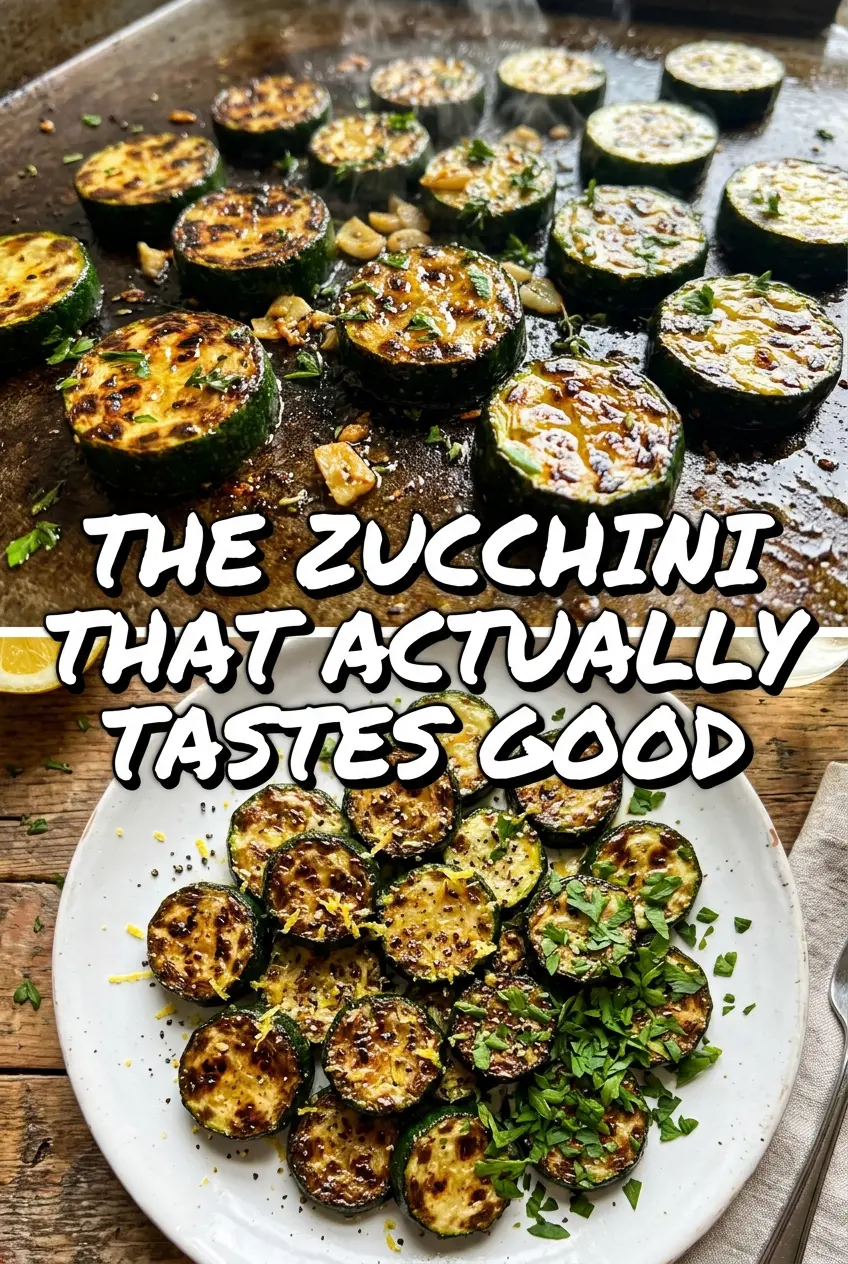
Lay the zucchini in a single layer and let it sit long enough to pick up color before turning. After about 4 to 5 minutes, the bottoms should be golden with a few darker spots and the slices should lift cleanly with a spatula. Flip and cook the second side until the zucchini is tender but still holds its shape; if the pieces collapse when you turn them, they stayed on the heat too long or the griddle ran too cool.
Finish while it’s hot
The Parmesan goes on the moment the zucchini comes off the griddle so it sticks to the warm surfaces instead of falling into the plate. Scatter the basil over the top and serve with lemon wedges on the side. A quick squeeze right before eating sharpens the whole dish and keeps it from tasting one-note.
How to Adapt This for Different Dinners and Diets
Dairy-Free Zucchini with Extra Herb Finish
Leave off the Parmesan and finish with a little extra basil plus a pinch of flaky salt. You lose the salty, savory cheese note, but the lemon and herbs still keep the dish bright and layered.
Make It a Little More Substantial
Add sliced yellow squash to the mix and cook it the same way. The texture is almost identical, and the blend of green and yellow squash looks great on the plate without changing the method.
Gluten-Free and Low-Carb as Written
This recipe already fits both of those needs without any changes. The main thing to watch is the cheese you use if you’re strict about additives; a block of Parmesan you grate yourself keeps the ingredient list clean.
Bolder Garlic and Cheese Version
Double the garlic and finish with extra Parmesan if you want a stronger savory edge. This pushes the zucchini more toward a steakhouse-style side, but it’s still best served right away while the cheese is warm and the edges are crisp.
Storage and Reheating
- Refrigerator: Store leftovers in an airtight container for up to 3 days. The zucchini softens as it sits, so expect less snap and more tenderness.
- Freezer: I don’t recommend freezing it. Zucchini turns watery and grainy after thawing, and the browned edges lose their texture.
- Reheating: Rewarm in a hot skillet or back on the griddle for a minute or two just until heated through. The common mistake is microwaving too long, which makes the slices soggy and blows past the point where they still taste freshly cooked.
Answers to the Questions Worth Asking
Blackstone Griddle Zucchini
Ingredients
Equipment
Method
- Toss the zucchini rounds with olive oil, garlic, Italian seasoning, salt, and pepper until evenly coated. Make sure every coin has visible seasoning.
- Heat a Blackstone griddle to medium-high heat until hot. The surface should be ready to sizzle when zucchini is laid down.
- Arrange zucchini in a single layer on the griddle and cook for 4-5 minutes. Cook until golden with tender centers and charred edges.
- Flip the zucchini coins and cook for 4-5 minutes per side until golden and tender. The second side should show deeper browning and crisp edges.
- Remove the zucchini from the griddle and immediately sprinkle with Parmesan cheese. Let the heat melt it for a lightly browned coating.
- Garnish with fresh basil and serve with lemon wedges. Squeeze lemon over the top to brighten the charred flavor.