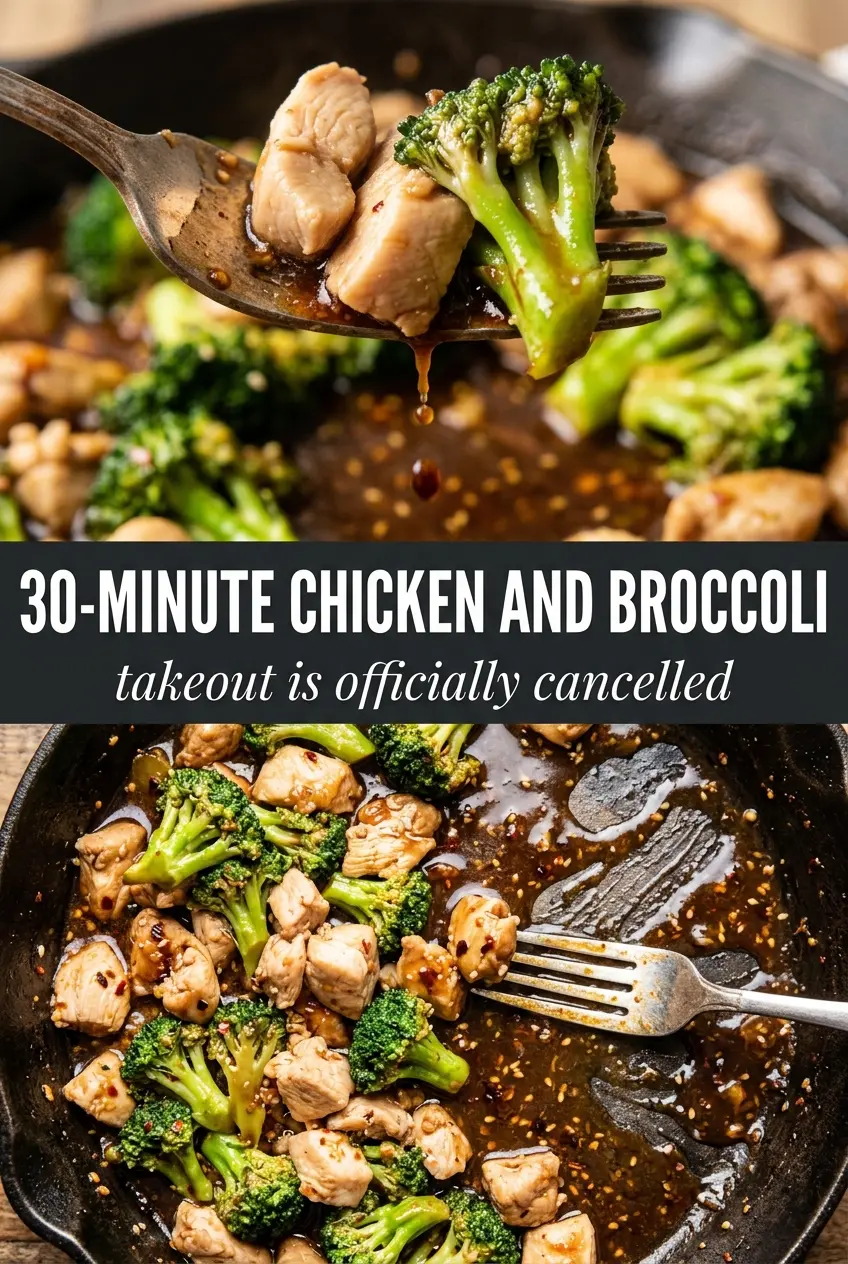
Glossy chicken and broccoli has a way of disappearing fast when the sauce hits the pan at the right moment. The chicken stays tender because it gets a light cornstarch coating before cooking, and the broccoli keeps its bite instead of turning limp and dull. What you end up with is the kind of stir fry that clings to rice instead of pooling at the bottom of the bowl.
The sauce here is built for speed and balance. Soy sauce brings salt and depth, oyster sauce adds body, hoisin rounds it out, and a little brown sugar keeps the whole thing from tasting sharp. Cornstarch does double duty: it protects the chicken during the sear and thickens the sauce just enough so it coats every piece without turning pasty.
Below, I’ll walk through the one part that matters most in a stir fry like this: keeping the pan hot enough to brown the chicken and still give the broccoli a crisp, bright finish. There’s also a note on swaps and storage, since this dish is one of those rare leftovers that still tastes worth eating the next day.
The sauce thickened up right in the pan and coated every piece of chicken instead of turning watery. My broccoli stayed bright and crisp, and my husband went back for seconds before I even sat down.
Save this 30-Minute Chicken and Broccoli for the nights when you want a glossy soy-garlic stir fry without waiting on takeout.
The Cornstarch Coating That Keeps the Chicken Tender
Most chicken and broccoli stir fries go wrong in the first few minutes. The pan is too crowded, the heat drops, and the chicken steams before it can pick up any color. That soft cornstarch dusting fixes part of the problem by sealing the surface just enough to help the chicken brown faster and stay juicy while it cooks.
The other piece is timing. The chicken comes out before the broccoli goes in, which keeps both parts from overcooking while the sauce is being built. If you try to cook everything together from the start, the broccoli loses its bright green color and the chicken ends up pale instead of lightly caramelized.
- Cornstarch — This is doing more than thickening the sauce. On the chicken, it creates a thin coating that helps with browning and keeps the meat from drying out. Flour won’t give the same glossy finish or the same light texture.
- Chicken breast — Cut it into even bite-sized pieces so it cooks fast and stays tender. Thighs also work if you want a richer, slightly more forgiving result.
- Broccoli florets — Fresh broccoli is the right move here because it holds its shape and stays crisp-tender. Frozen broccoli turns softer and sheds more water, which makes the sauce thinner.
- Garlic and ginger — Add them late and keep them moving. They only need about 30 seconds in the hot pan, just enough to turn fragrant. If they sit too long, they burn and make the whole dish taste bitter.
What the Sauce Is Doing Besides Tasting Good
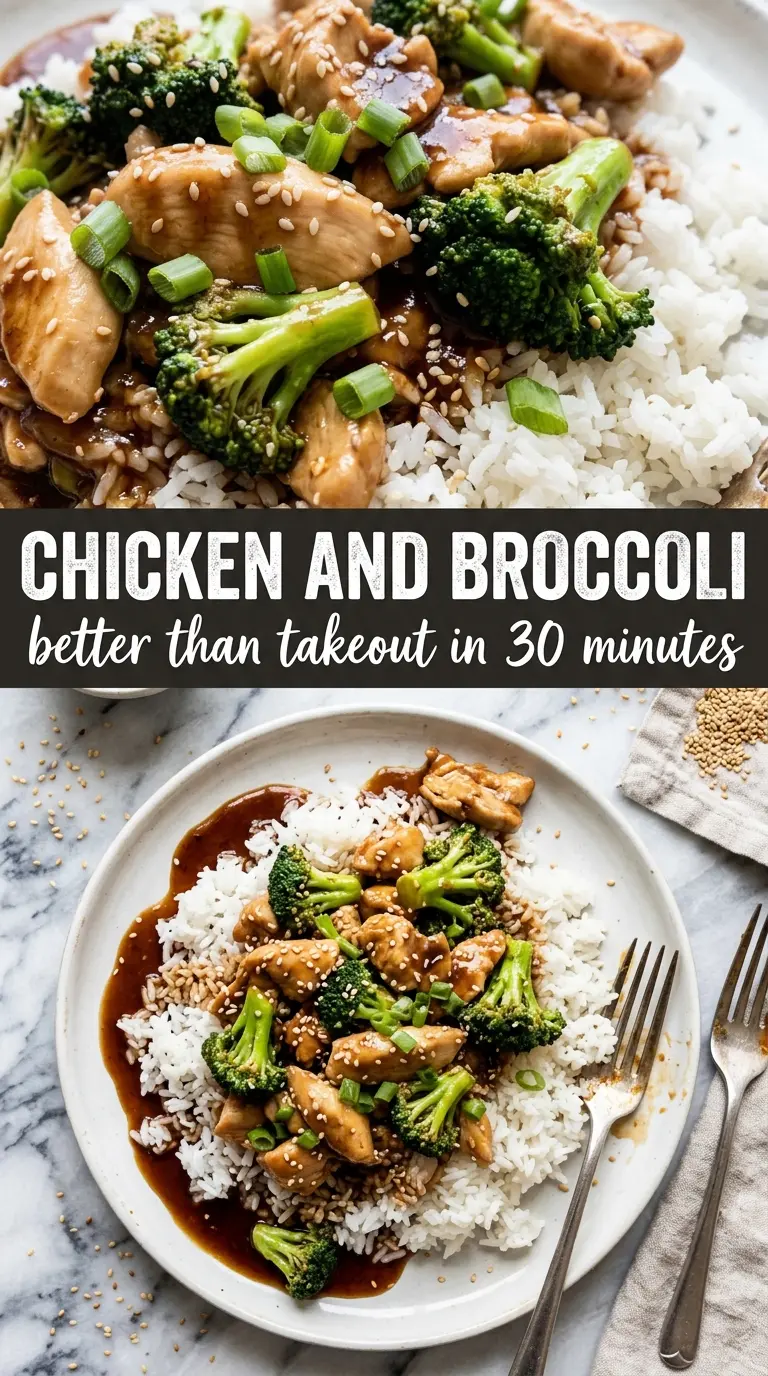
- Soy sauce — This gives the sauce its backbone and salt. Use a standard soy sauce, not low-sodium if you want a deeper, more takeout-style finish, but reduce the amount if yours is especially salty.
- Oyster sauce and hoisin — These are the ingredients that make the sauce taste rounded instead of one-note. Oyster sauce adds savory body, while hoisin brings sweetness and a little complexity. If you skip both, the sauce tastes flat and thin.
- Chicken broth — This loosens the sauce just enough to let it simmer and thicken evenly. Water works in a pinch, but broth gives the final dish more depth.
- Sesame oil — Add it at the end of the sauce so the aroma stays sharp. It’s a finishing note, not a cooking oil, and too much heat can flatten its flavor.
How to Keep the Broccoli Crisp and the Sauce Glossy
Brown the Chicken First
Heat the oil until it shimmers, then add the chicken in a single layer. Let it sit long enough to pick up color before you stir, because constant moving prevents browning. The chicken doesn’t need to be cooked through yet; it just needs a good head start and some golden edges. If the pan looks crowded, cook in batches instead of forcing it.
Stir-Fry the Broccoli Until It Just Turns Bright
Add the broccoli to the hot pan and keep it moving for 3 to 4 minutes. You want bright green florets with a little resistance when you bite into them, not soft pieces that slump. If the pan seems dry, a tiny splash of broth can help steam the stems for a moment, but too much liquid will erase the stir-fry texture.
Thicken the Sauce in the Pan
Once the garlic and ginger are fragrant, pour in the whisked sauce and let it bubble for 1 to 2 minutes. It should go from thin and cloudy to glossy and lightly syrupy, enough to coat a spoon. If it stays watery, the pan wasn’t hot enough or the sauce wasn’t whisked well before it went in.
Bring Everything Back Together
Return the chicken to the pan and toss until every piece is coated and hot through. This last step is short on purpose. The chicken finishes cooking in the sauce without getting tough, and the broccoli keeps its shape instead of collapsing into the glaze.
How to Adapt This for Thighs, Gluten-Free Meals, or Extra Heat
Swap in chicken thighs for a richer finish
Boneless skinless thighs work well if you want juicier chicken and a little more forgiveness on the heat. They take about the same time, but they brown a bit more deeply and stay tender even if you push the cook time by a minute or two.
Make it gluten-free with a couple of label checks
Use tamari instead of soy sauce and check that your oyster sauce and hoisin are certified gluten-free. The texture stays the same, and the sauce still finishes glossy; you’re just swapping the salty and sweet base ingredients for versions that fit the diet.
Turn up the heat without breaking the sauce
Add crushed red pepper flakes with the garlic and ginger, or finish with a drizzle of chili oil. Put the heat at the end if you want it sharper; that keeps the spice bright instead of burying it under the sweet-savory sauce.
Storage and Reheating
- Refrigerator: Store leftovers in an airtight container for up to 4 days. The broccoli softens a little, but the sauce keeps the dish from drying out.
- Freezer: It freezes well for about 2 months, though the broccoli will lose some of its snap. Freeze in portions and thaw overnight in the fridge before reheating.
- Reheating: Warm it in a skillet over medium-low heat with a splash of broth or water. Microwaving works, but it can overcook the chicken if you blast it too long at once.