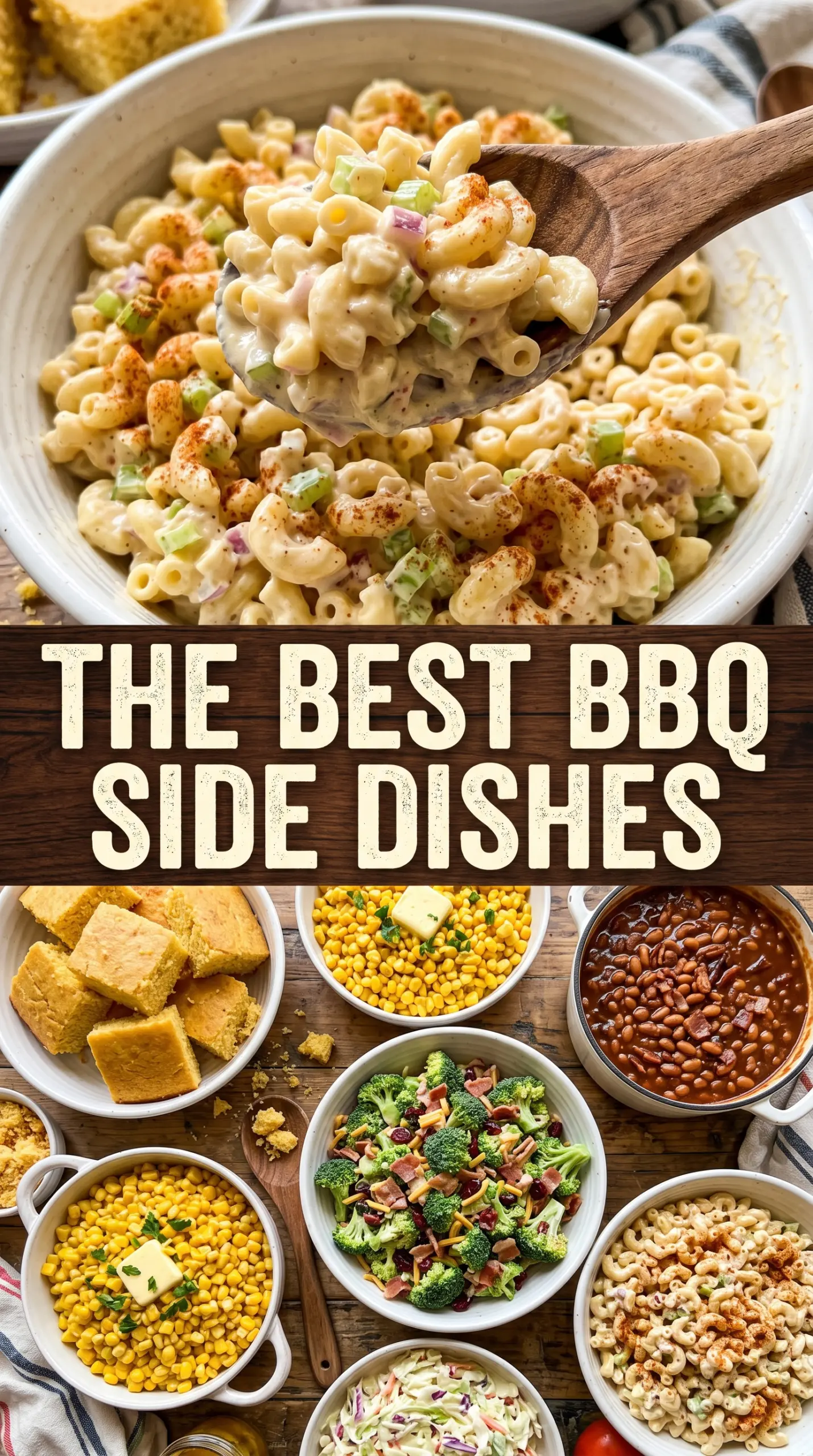
Colorful BBQ sides are what turn a pile of grilled meat into a full cookout spread. Cool coleslaw, sticky-sweet baked beans, and creamy potato salad each bring a different texture to the table, and when they’re done well, they balance smoky ribs, chicken, burgers, and brisket without competing for attention.
What makes this kind of spread work is contrast. The coleslaw needs enough acid to stay bright after chilling, the beans need time in the oven so the sauce thickens and the onion softens, and the potato salad needs the potatoes cooled just enough so the dressing clings instead of sliding off. When each side is handled with that in mind, the whole meal tastes more organized and a lot less rushed.
Below, I’m breaking down the small decisions that keep each dish from going flat: how to keep coleslaw crisp, when to stop cooking the potatoes, and how to make the baked beans taste layered instead of just sweet.
The coleslaw stayed crisp after an hour in the fridge, and the beans thickened up with that brown sugar and BBQ sauce combo just like I wanted. My husband went back for potato salad before he even finished his plate.
These BBQ side dishes bring crisp coleslaw, smoky baked beans, and creamy potato salad together for the kind of cookout plate people actually remember.
How to Keep the Three Sides from Tasting Flat
Each of these dishes fails in a different way if you rush it. Coleslaw turns watery when the dressing is too thin or the cabbage sits too long without enough salt balance. Baked beans can taste one-note if the onion stays raw or the pan doesn’t bake long enough for the sauce to tighten. Potato salad gets heavy and bland when the potatoes are overcooked or dressed while still steaming hot.
The fix is in the details, not extra ingredients. A little vinegar sharpens the slaw and keeps it awake after chilling. Brown sugar and BBQ sauce give the beans depth, but the bake is what turns them from canned-and-mixed into something worth scooping twice. For the potato salad, tender potatoes and a full cool-down help the mayo and mustard coat the cubes instead of breaking apart.
- Cabbage — Shred it finely enough that the dressing can coat every strand. Bagged slaw mix works fine here, and it’s the easiest shortcut when you’re cooking for a crowd.
- Mayonnaise — This is the base for both the coleslaw and potato salad, so use one you like cold. A lighter dressing won’t cling the same way, and the texture gets loose fast.
- Apple cider vinegar — It keeps the coleslaw from tasting heavy. White vinegar works in a pinch, but cider vinegar adds the roundness that makes the slaw taste finished.
- Baked beans — Canned beans are the right move here because they hold up to the oven and soak in flavor. Don’t swap in something already heavily seasoned unless you want to re-balance the sweetness and salt.
- Potatoes — Starchy potatoes soften into a creamier salad than waxy ones, but both work. Cut them evenly so they finish at the same time; uneven cubes turn the bowl patchy.
What Each Ingredient Is Actually Doing Across These Three BBQ Sides
- Cabbage (the foundation of coleslaw) — Finely shredded cabbage is essential because it allows the dressing to coat every strand. The surface area matters; thicker cuts don’t absorb seasoning as well and stay watery longer after chilling.
- Mayonnaise (the binder for coleslaw and potato salad) — Good-quality mayo is non-negotiable because it’s the star of two dishes. Cold mayo coats better than warm, and cheap mayo tastes thin and one-dimensional in these chilled sides.
- Apple cider vinegar (the brightness in coleslaw) — The acid keeps the slaw from tasting heavy and one-dimensional. It also prevents oxidation so the cabbage stays bright instead of turning dull gray after chilling.
- Brown sugar and BBQ sauce (the complexity in baked beans) — Together these create depth and caramelization. The sugar helps the sauce thicken and cling, while the BBQ sauce adds savory backbone so it doesn’t taste like just sweetness.
- Baked beans (the hearty counterpoint) — Canned beans are ideal because they hold structure in the oven and soak up the sauce. Dried beans would turn too soft, while fresh beans aren’t available in most kitchens.
- Potatoes (the base for potato salad) — Even-sized potato cubes cook evenly and absorb dressing uniformly. Starchy potatoes create a creamier texture, while waxy potatoes stay firmer and hold their shape better.
- Mustard (the savory anchor for potato salad) — Dijon or yellow mustard adds flavor depth and helps the mayo coat better. It prevents the salad from tasting one-note and keeps it from being just creamy.
- Proper timing and temperature (the secret to all three) — Coleslaw needs time in the fridge to let the cabbage soften slightly. Baked beans need the oven to thicken the sauce. Potato salad needs the potatoes to cool so the dressing clings instead of sliding off.
Building Each Bowl So It Tastes Like It Belongs on the Same Table
Mixing the Coleslaw Without Watering It Down
Start with the cabbage and carrots in a large bowl so you can toss without crushing them. Stir the mayonnaise, vinegar, sugar, salt, and pepper together first; that keeps the sugar from clumping and gives you a smoother coating. Once the dressing goes in, toss until everything looks lightly coated, not glossy-pool wet. The hour in the fridge matters because the cabbage softens just enough to taste seasoned without losing its crunch.
Baking the Beans Until the Sauce Tightens
Combine the beans, BBQ sauce, brown sugar, bacon, and onion in a baking dish, then stir until the sugar disappears into the sauce. Bake at 350°F until the edges look thicker and the top has a little sticky sheen, about 45 minutes. If the dish looks watery at the end, it needs more oven time, not more sugar. Letting it sit for a few minutes before serving helps the sauce settle and cling.
Cooling the Potatoes at the Right Moment
Boil the potatoes until a knife slides in with only a little resistance. If they fall apart in the water, they’ll turn the salad into mash. Drain them well and let the steam escape before mixing in the mayo, mustard, eggs, and celery. The potatoes should be warm enough to absorb seasoning but cool enough that the dressing doesn’t melt into the bowl.
Pulling the Whole Spread Together
These sides are best served chilled or at room temperature, which makes them easy to coordinate with hot-off-the-grill mains. Taste each bowl right before serving; cold food needs more seasoning than food straight from the pan. A final pinch of salt in the potato salad or a splash of vinegar in the slaw can wake everything up at the last second.
Three Small Changes That Still Give You a Real BBQ Spread
Dairy-Free Coleslaw That Still Tastes Creamy
Use a dairy-free mayonnaise and keep the vinegar amount the same. The dressing will still coat the cabbage well, and the cold chill time helps it taste integrated instead of separate. This is the easiest place to make the recipe fit a dairy-free table without losing the classic cookout feel.
Vegetarian Baked Beans with the Same Sticky Finish
Skip the bacon and add a little smoked paprika if you want back some of that cookout depth. You’ll lose the salty crunch of the bacon, but the beans still get a rich, caramelized edge from the brown sugar and BBQ sauce. If you want a little texture, add extra diced onion and let it soften in the oven.
A Tangier Potato Salad for People Who Don’t Want It Heavy
Increase the mustard a little and hold back a spoonful of mayo until the end. That gives the salad a sharper bite and keeps it from feeling dense, especially after chilling. It’s the best move when the rest of the meal is rich and smoky.
Make-Ahead Timing for a Crowd
The slaw and potato salad can be made several hours ahead and held in the fridge, which makes them ideal for a party schedule. The beans can be baked earlier, then rewarmed gently before serving; they thicken as they stand, so don’t overbake them the second time. If you’re serving all three together, season again right before they hit the table because cold sides hide salt and acid.
Storage and Reheating
- Refrigerator: Store each side in a separate covered container for up to 3 days. The slaw softens a bit, and the potato salad gets thicker after chilling.
- Freezer: The baked beans freeze well for up to 2 months. Coleslaw and potato salad don’t freeze well because the dressing breaks and the vegetables turn watery.
- Reheating: Reheat the beans low and slow in the oven or on the stove with a splash of water if needed. Don’t blast them in the microwave or the sauce can tighten at the edges before the center is hot.
Answers to the Questions Worth Asking
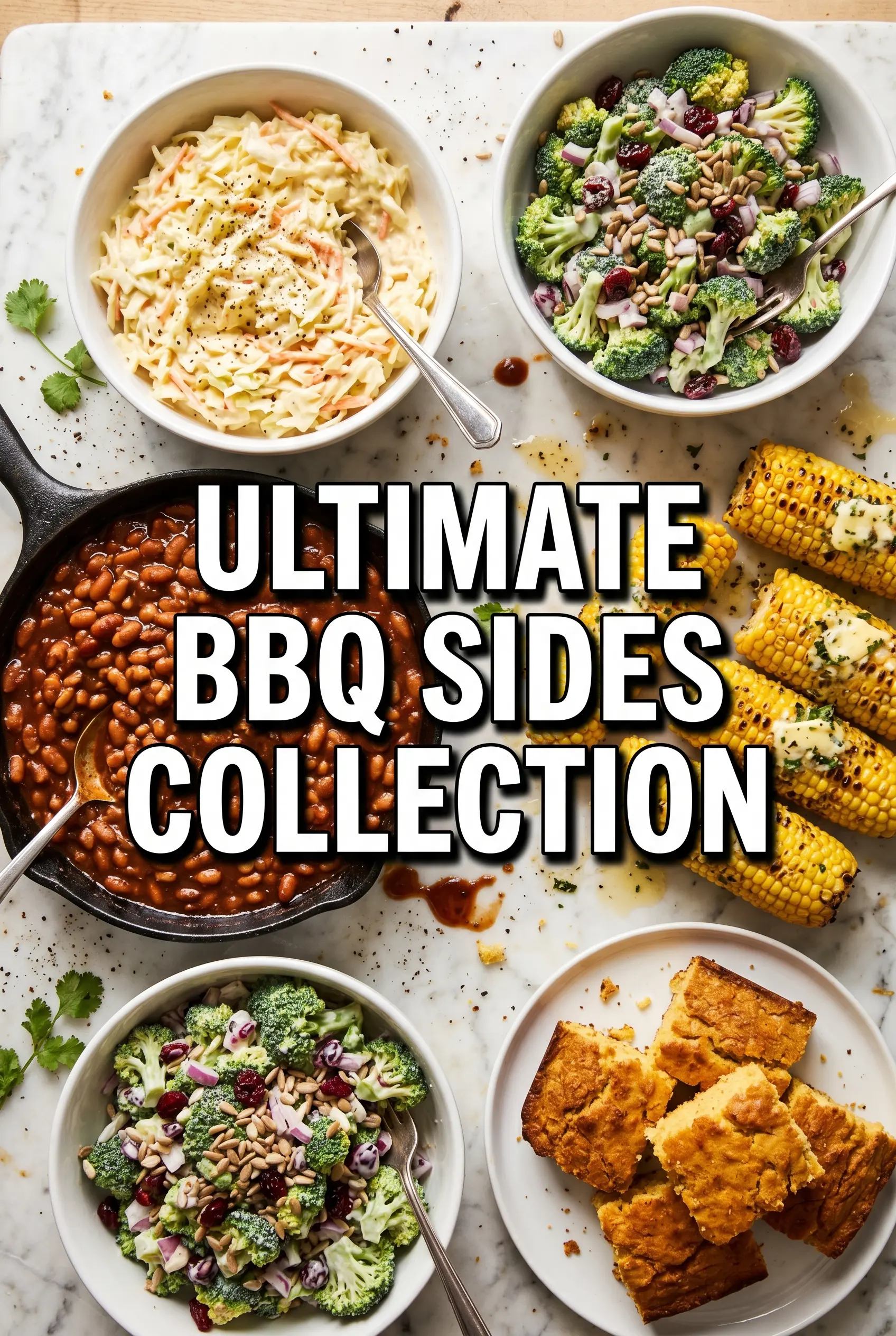
BBQ Side Dishes Collection (Coleslaw, Baked Beans, Loaded Potato Salad)
Ingredients
Equipment
Method
- In a large mixing bowl, combine shredded cabbage and shredded carrots, stirring just until evenly distributed (visual cue: cabbage strands and carrot shreds look well mixed).
- Toss the cabbage-carrrot mixture with mayonnaise, apple cider vinegar, sugar, salt, and pepper until glossy and coated (visual cue: no dry cabbage patches remain).
- Refrigerate the coleslaw for 1 hour to let the flavors meld (visual cue: mixture firms slightly and looks chilled).
- Combine baked beans, BBQ sauce, brown sugar, bacon, and diced onion in a baking dish and stir to coat (visual cue: beans are evenly speckled with bacon and onion).
- Bake at 350°F for 45 minutes until bubbling around the edges (visual cue: surface looks glossy and active with small bubbles).
- Boil the cubed potatoes until tender (visual cue: a fork slides in easily with little resistance).
- Drain the potatoes and cool them down before mixing (visual cue: potatoes stop steaming and feel warm, not hot).
- Mix the cooled potatoes with mayonnaise, mustard, chopped hard-boiled eggs, diced celery, salt, and pepper until well coated (visual cue: eggs and celery are evenly spread).
- Refrigerate the potato salad until chilled for serving (visual cue: mixture looks set and cold throughout).
- Serve all sides chilled or at room temperature alongside your favorite BBQ items (visual cue: colorful bowls stand out—pale coleslaw, creamy potato salad, and dark glazed beans).