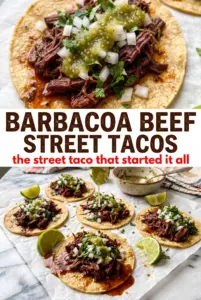
Rich, deeply seasoned birria is the kind of meal that turns a regular pot of beef into something worth slowing down for. The broth comes out a dark mahogany red, layered with chile heat, tomato sweetness, and enough savory depth to taste like it’s been building all afternoon. When the beef is done right, it doesn’t just shred; it falls apart into tender strands that soak up every bit of the consomé.
What makes this version work is the balance between the dried chiles and the long simmer. Toasting the guajillo, ancho, and chipotle chiles first wakes up their oils and gives the broth a fuller, cleaner chile flavor. Searing the beef before it hits the pot adds another layer of richness, and blending the sauce until smooth keeps the finished consomé velvety instead of gritty.
Below, you’ll find the small choices that matter most, from chile prep to the point where the beef is tender enough to shred without resistance. There’s also a note on what to do if you want a milder pot or need to stretch this into tacos, bowls, or leftovers the next day.
I followed the chile soak and blend exactly, and the broth turned out smooth and deep red instead of oily or bitter. The beef shredded after about 3 hours, and the consomé was perfect for dipping the tortillas.
Save this birria for the rich, chile-simmered consomé and tender shredded beef you’ll want to dip warm tortillas into again and again.
The Difference Between Deep Birria Broth and Flat, One-Note Stew
The broth in birria has to do more than cook the beef. It needs to carry chile flavor, body, and enough savoriness to stand on its own as consomé for dipping. That’s why this version starts with toasted dried chiles instead of a jarred sauce. Toasting briefly brings out the oils; soaking softens them; blending with tomato, onion, and garlic gives the broth a rounded base instead of raw heat.
The other place people lose depth is the pot itself. Browning the beef before the liquid goes in gives you fond on the bottom, and that browned residue dissolves into the simmering broth. If you skip that step, the stew can still be tender, but it won’t taste layered. The long covered simmer matters too, because the collagen in chuck roast needs time to break down before the meat shreds cleanly.
What the Chiles, Tomatoes, and Vinegar Are Doing in This Pot
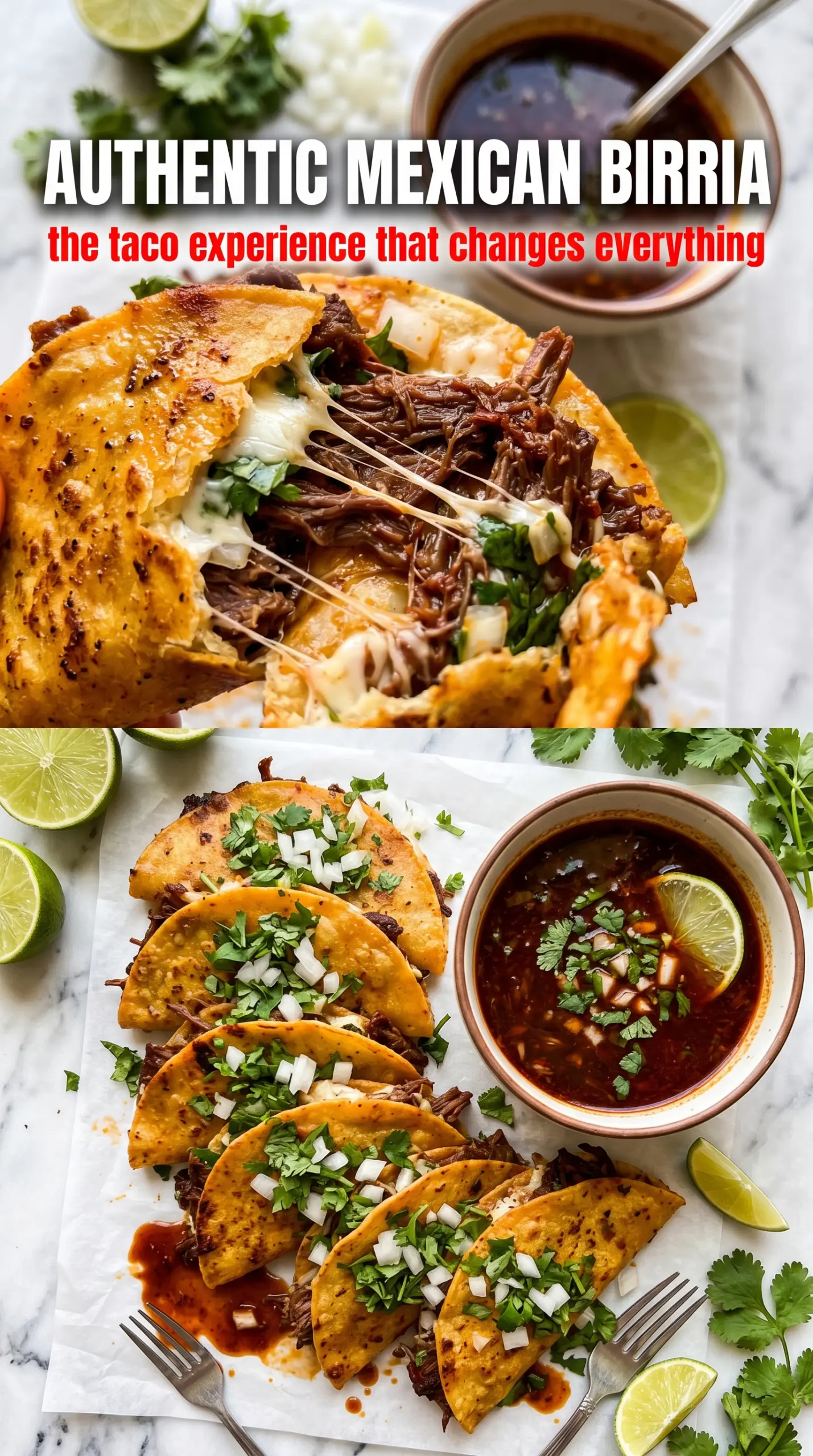
- Dried guajillo chiles — These bring the bright red color and a mild, earthy chile flavor. They’re the backbone of the sauce, and there isn’t a good swap if you want the classic birria taste, though dried New Mexico chiles can fill in in a pinch.
- Dried ancho chiles — Anchos add sweetness, raisin-like depth, and a little smoky warmth. If you leave them out, the broth tastes sharper and thinner, so keep them if you can.
- Dried chipotle chiles — These are where the smokiness comes from. One of the three can be enough if you want a gentler pot, but all three give the broth more edge and complexity.
- Apple cider vinegar — This tiny amount doesn’t make the stew sour. It brightens the chiles and helps the finished consomé taste less heavy after the long simmer.
- Beef chuck roast — Chuck is the right cut because it has enough fat and connective tissue to turn tender without drying out. Leaner beef won’t give you the same shreddable texture or broth richness.
Building the Birria Pot So the Beef Shreds Cleanly
Waking Up the Chiles
Toast the dried chiles in a dry skillet for about a minute per side, just until they smell fragrant. If they darken too much, they turn bitter and the whole pot picks up that edge. Once toasted, soak them in hot water until soft enough to blend without little leathery bits hanging around in the sauce. That smooth soak is what keeps the finished broth silky.
Making the Sauce Smooth
Blend the soaked chiles with onion, garlic, tomatoes, vinegar, cumin, and oregano until the mixture looks completely smooth. If your blender struggles, add a little of the soaking liquid, but stop before the sauce gets watery. Strain it if you want an even cleaner consomé, especially if your dried chiles had thick skins.
Getting Color Into the Beef
Sear the beef cubes in hot oil until they’re browned on all sides before adding the sauce. Don’t crowd the pot, or the meat will steam and never develop that dark crust. Those browned bits left behind are part of the final flavor, and they dissolve into the broth as it simmers.
Cooking Until the Meat Gives Up
Pour in the blended sauce and beef broth, add the bay leaves, and bring everything to a gentle simmer. Cover the pot and cook low and slow for 2.5 to 3 hours, stirring now and then so nothing sticks. The beef is ready when it falls apart with a fork and the broth has turned glossy and deep red. If the liquid drops too low before the meat is tender, add a little more broth or hot water rather than cranking up the heat.
Make It Milder Without Losing the Birria Character
Use fewer chipotle chiles or leave them out entirely and keep the guajillo and ancho base. You’ll lose some smoke and heat, but the broth will still taste like birria because the color, body, and savory depth come from the full chile blend and long simmer.
Slow Cooker Method for a Hands-Off Pot
Toast, soak, and blend the sauce first, then sear the beef in a skillet before transferring everything to the slow cooker. Cook on low until the meat shreds easily, usually 7 to 8 hours. The flavor is slightly less concentrated than the stovetop version, but the texture stays excellent.
Gluten-Free Serving That Still Feels Traditional
This recipe is naturally gluten-free as written when you use a broth without added wheat-based flavorings. Serve it with corn tortillas instead of flour tortillas, and check your broth label if you’re using store-bought stock. The birria itself stays unchanged.
Storage and Reheating
- Refrigerator: Store the beef and consomé together for up to 4 days. The broth often tastes even better the next day after the chiles settle in.
- Freezer: Freeze the birria in portions for up to 3 months. Let it cool first, then pack the meat with enough broth to keep it from drying out.
- Reheating: Warm it gently on the stove over low heat until hot. A hard boil can toughen the beef and muddy the broth, so keep the simmer quiet and slow.
Answers to the Questions Worth Asking

Authentic Mexican Birria
Ingredients
Equipment
Method
- Toast dried guajillo chiles, dried ancho chiles, and dried chipotle chiles in a dry skillet for 1 minute per side, until fragrant and slightly darker. Keep them moving so they don’t burn, then transfer to a bowl.
- Soak the toasted chiles in hot water for 15 minutes until soft. Drain well so the blended sauce isn’t overly watery.
- Blend the soaked chiles with onion, garlic, tomatoes, apple cider vinegar, cumin, and oregano into a smooth sauce. Blend until no large chile pieces remain.
- Heat oil in a large Dutch oven and sear the beef cubes until browned on all sides. Use high heat so the exterior caramelizes, then stop when deeply golden.
- Add the blended chile sauce and beef broth to the pot, stirring to combine. Add bay leaves on top, then bring the mixture to a simmer.
- Cook covered at a simmer for 2.5-3 hours, until the meat is very tender. You should see steady bubbling and the liquid turn a rich mahogany color.
- Shred the beef in the pot once tender, then adjust seasoning with salt and pepper to taste. Stir so the shredded meat is evenly coated in the consomé.
- Let the birria rest for 30 minutes before serving. This helps the broth thicken slightly and the flavors meld.
- Serve the birria in warm corn tortillas topped with diced onion and fresh cilantro. Offer the flavorful consomé in a rustic serving bowl on the side for dipping.